Skyphos
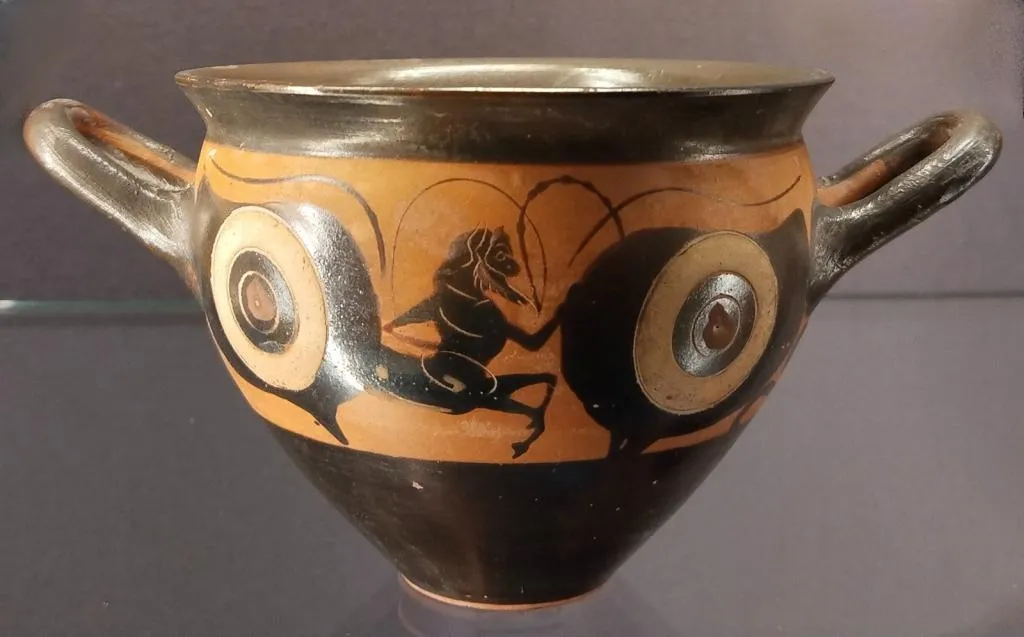
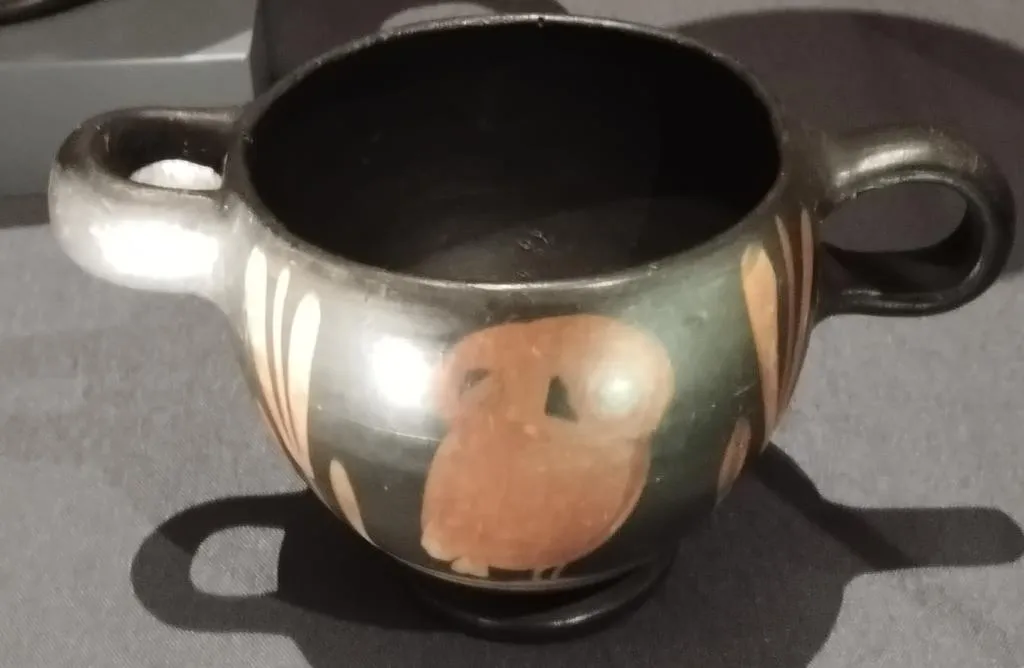
The skyphos is one of the classic drinking vessels of ancient Greece. With its deep bowl and twin handles, it played a central role in wine rituals and everyday life.
Source: by Stable MARK - own work.
Discover the skyphos and its role in ancient Greek culture. This article offers a clear overview of its form, meaning, and use — with many examples and visual comparisons of Greek drinking vessels from the Kunsthistorisches Museum Vienna.
Table of Contents
What is skyphos?What does the Greek word skyphos mean?What is the plural form of skyphos?What is skyphos used for?What is skyphos?
Source: by Stable MARK - own work.
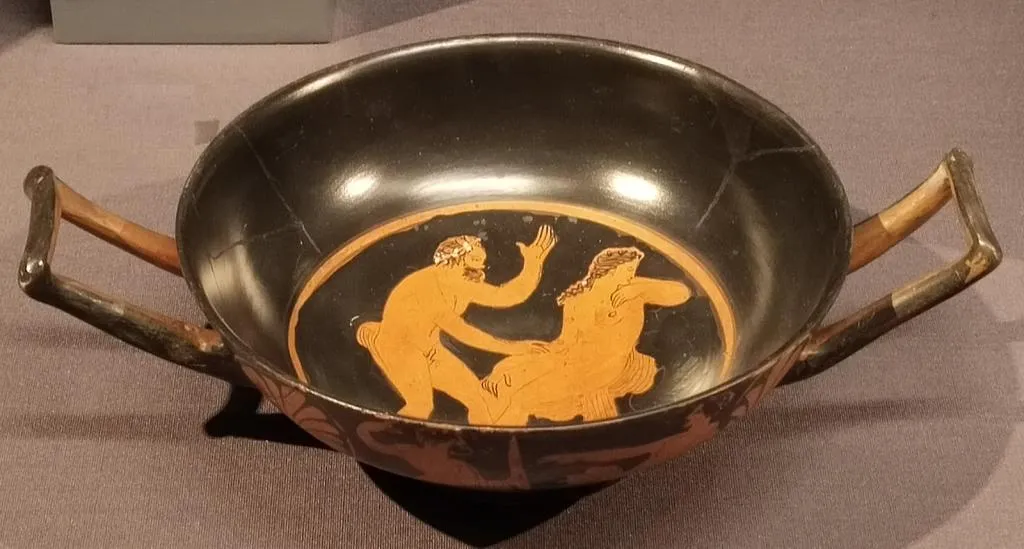
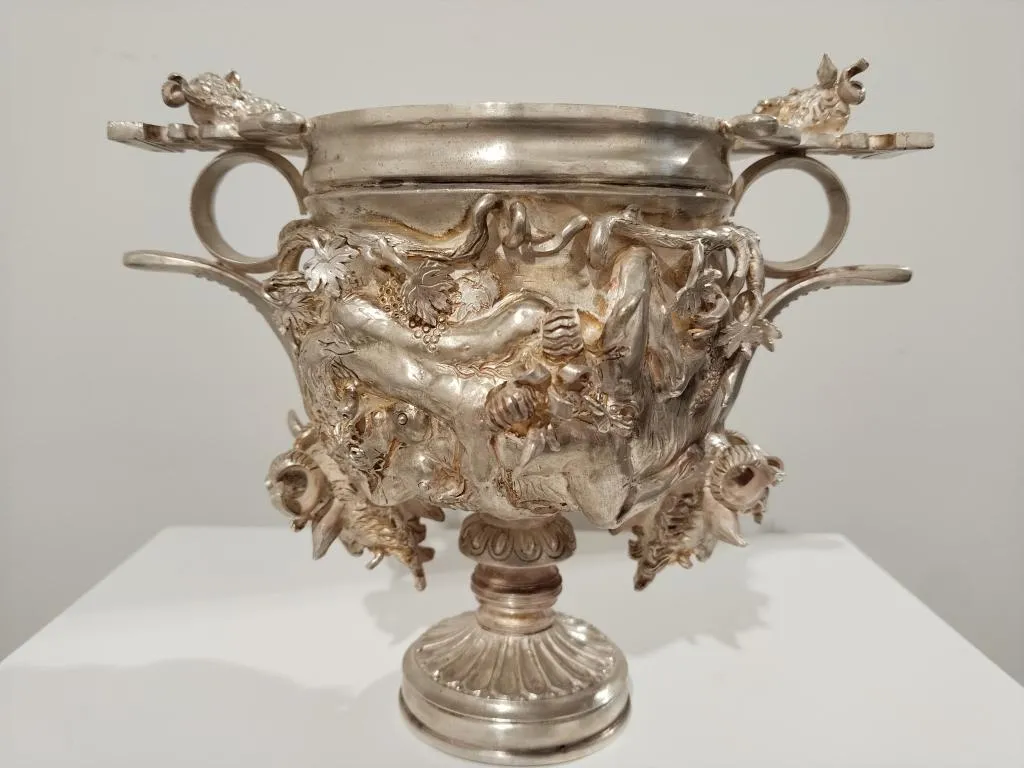
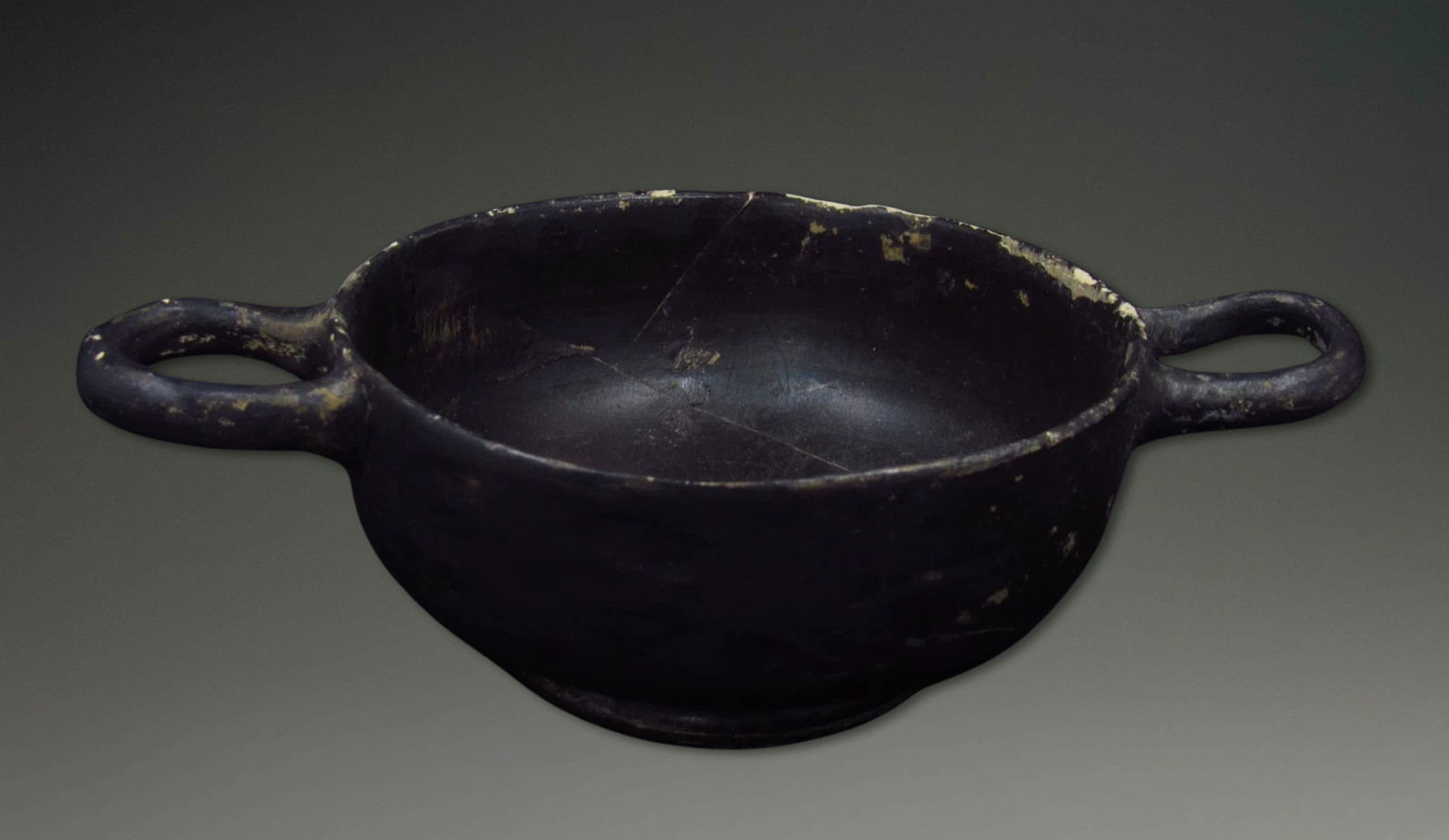
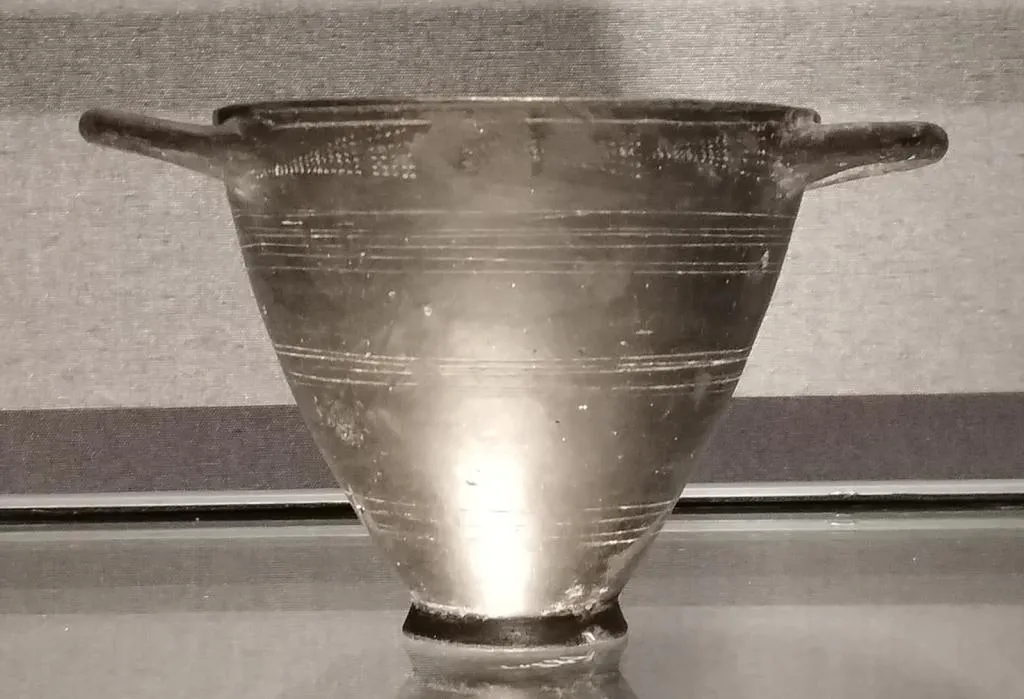
The skyphos (Ancient Greek: σκύφος, pl. skyphoi) is a deep, two-handled drinking cup used for wine in Ancient Greece. Characterized by a low foot or no foot at all, the cup has either horizontal thumbhold handles or loop handles. Skyphoi appear from the Geometric period onward and were produced well into the Hellenistic era.


LARGE ETRUSCAN IMPASTO SKYPHOS 7th Cent B.C.- With Provenance - EXTREMELY RARE
(original price: 12,000.00 AUD)
(19564) 100.00% positive
Source: by Stable MARK - own work.
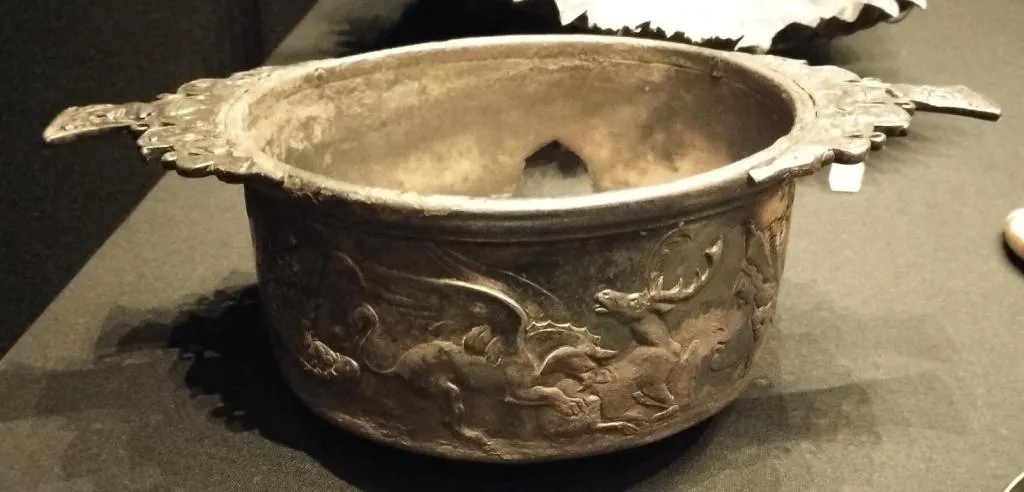
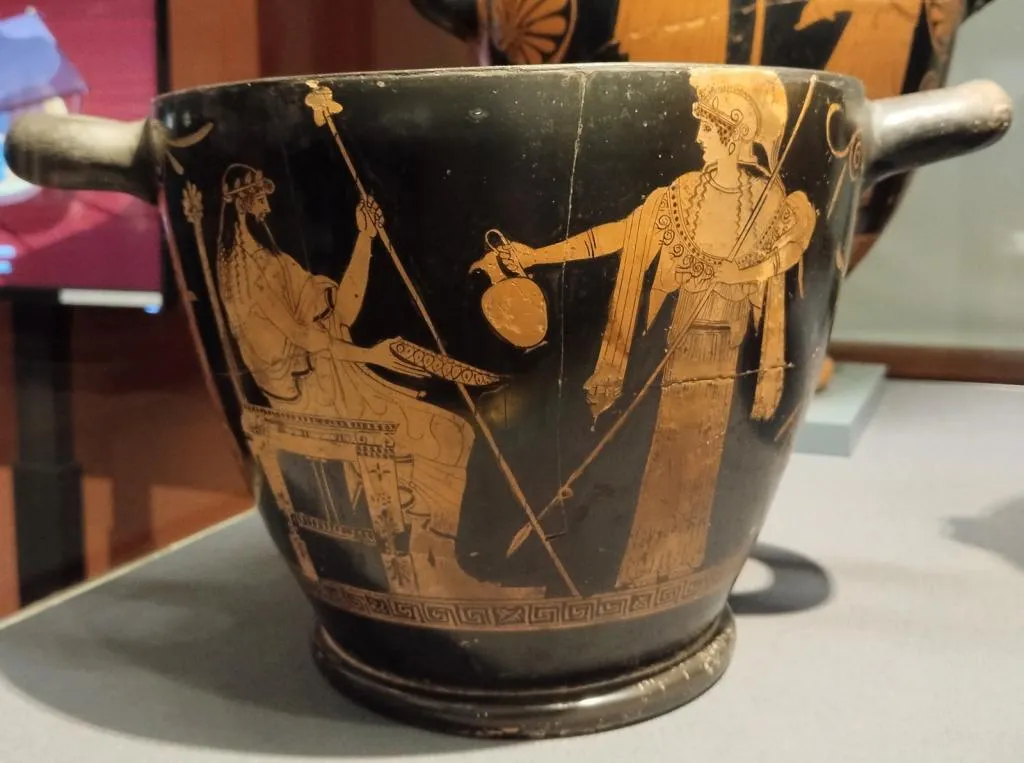
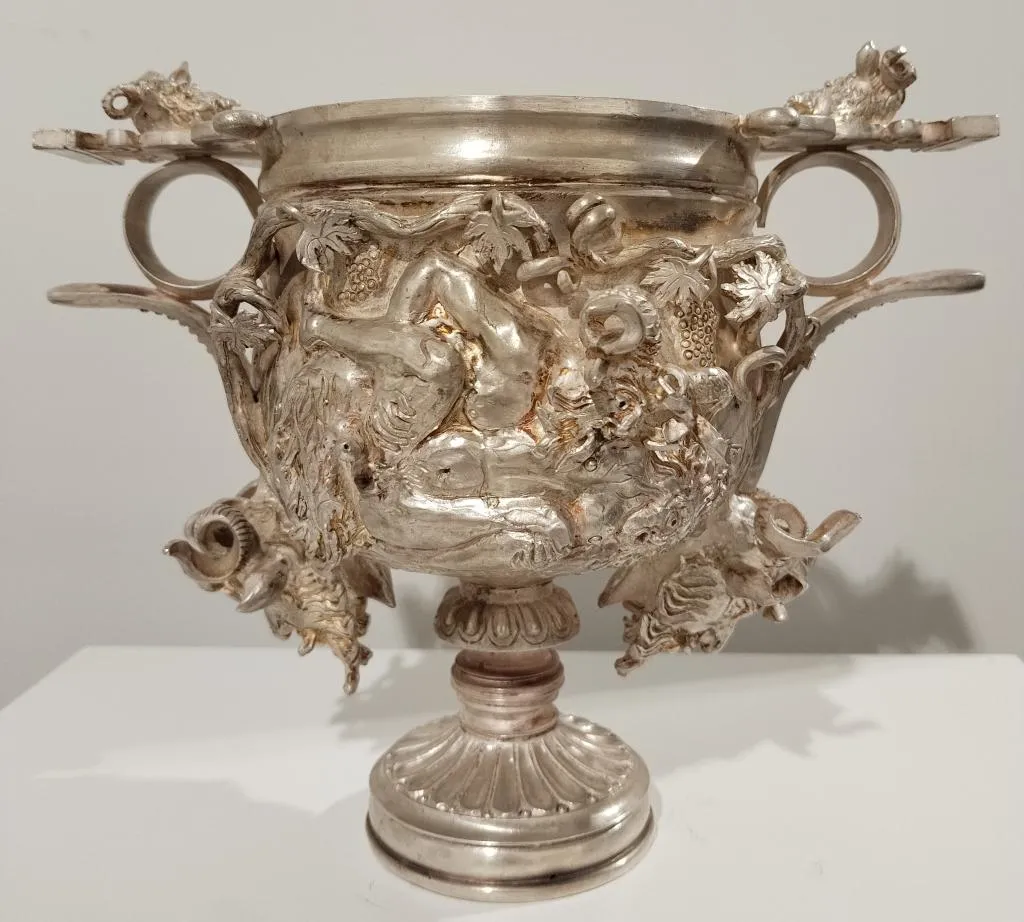
While the shape remained consistent over time, decorative styles evolved—ranging from black-figure and red-figure techniques to more elaborate figural scenes. Skyphoi were made from clay, silver, or gold, with rare examples like cameo glass known from Roman times.
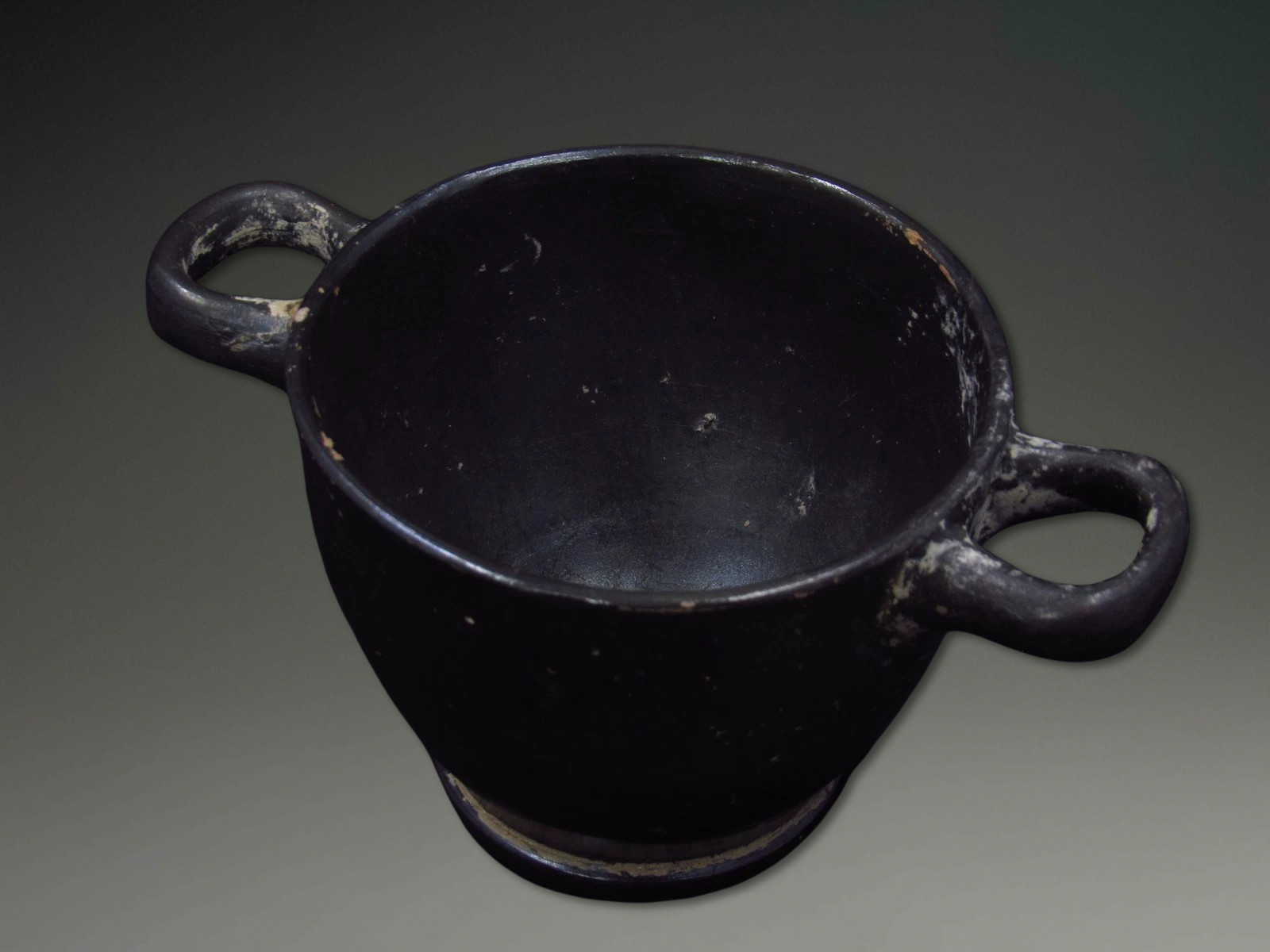

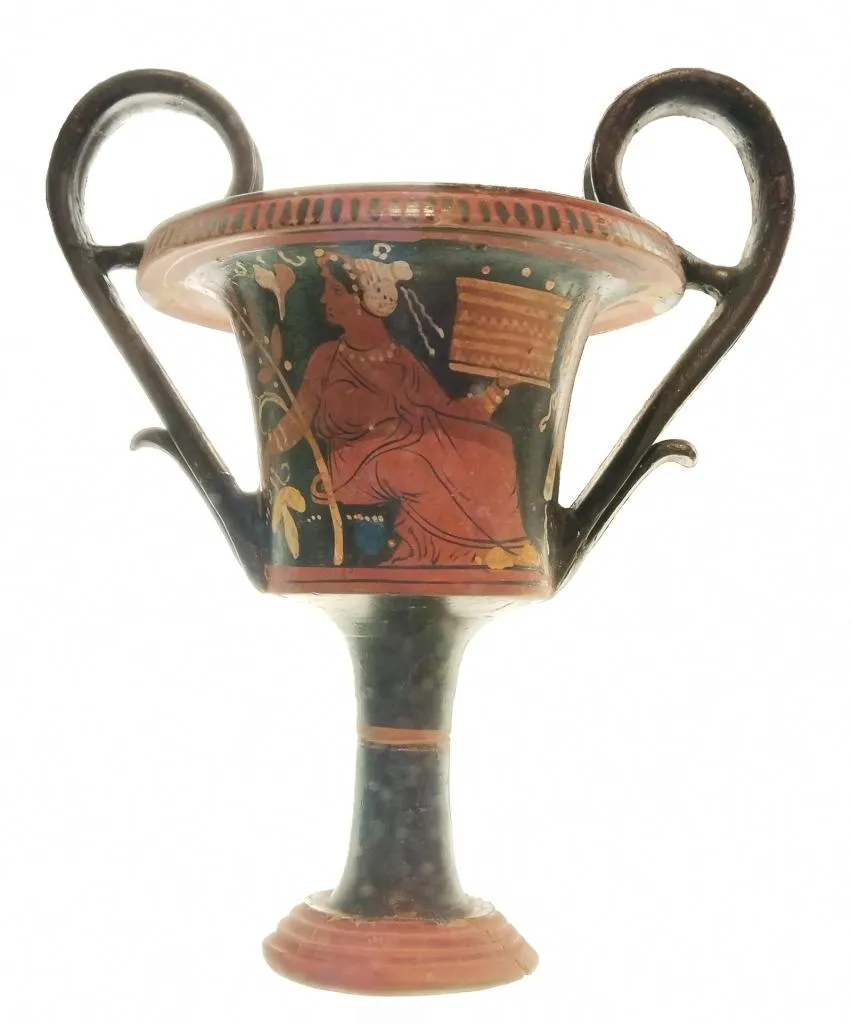
Southern Italy, Apulia. Ceramic Skyphos. ca. 4th-3rd century BC.
(170) 100.00% positive
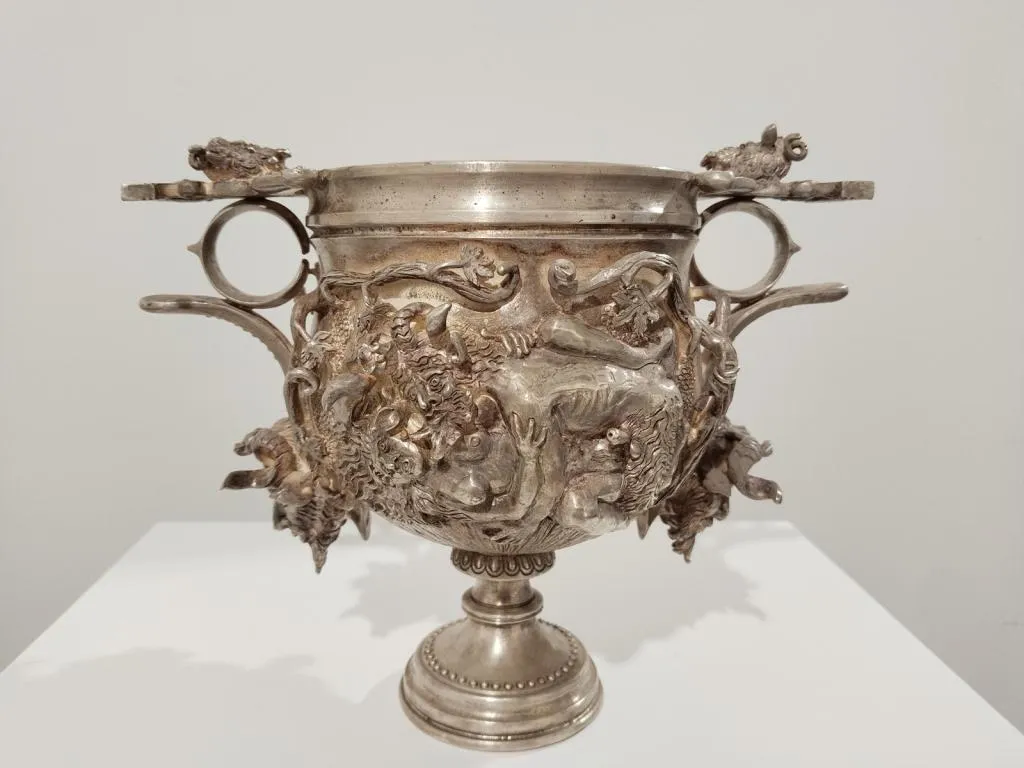
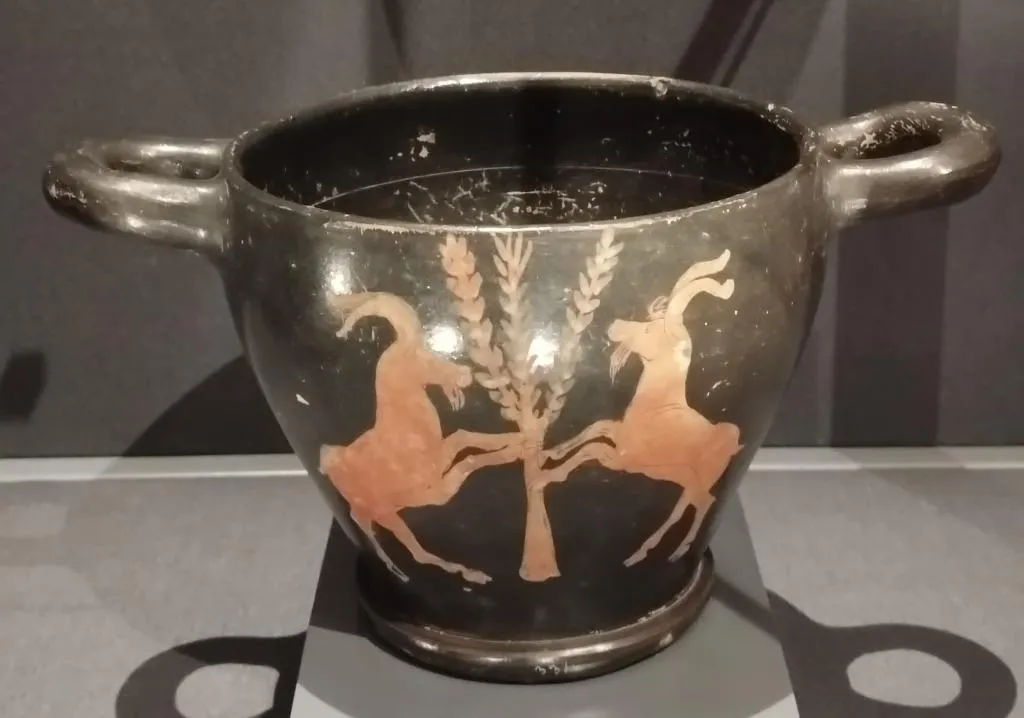
Source: by Stable MARK - own work.
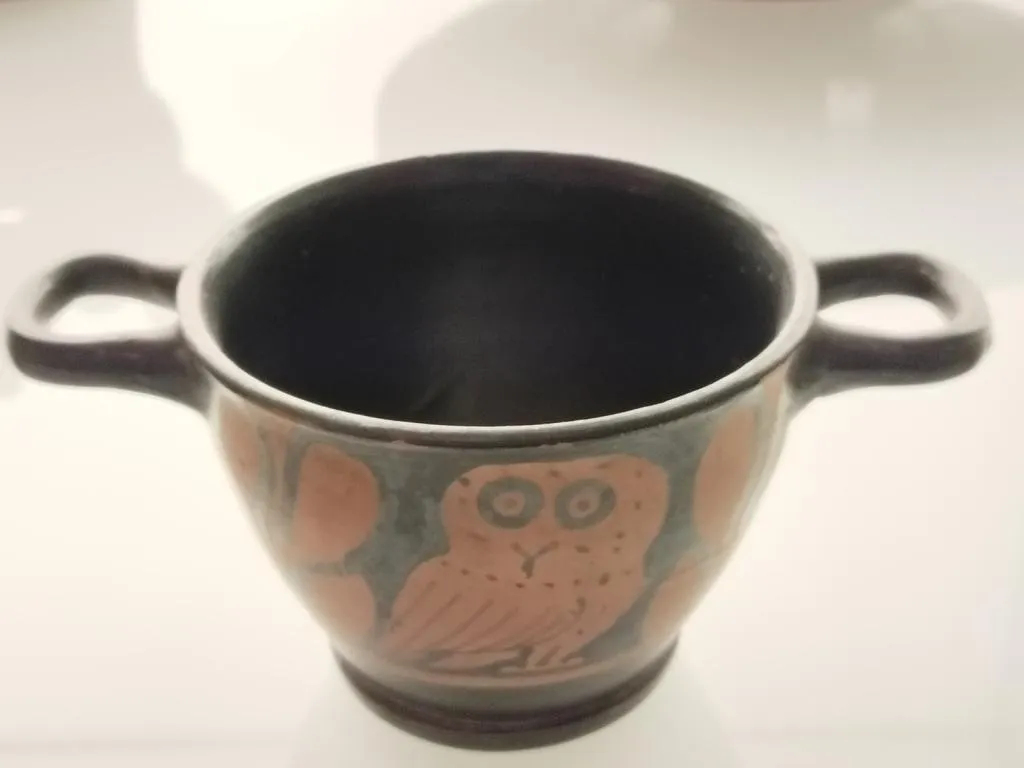
Skyphoi served both practical and ceremonial functions, especially during symposia. A famous variation is the glaux (Greek for owl), which features one horizontal and one vertical handle.
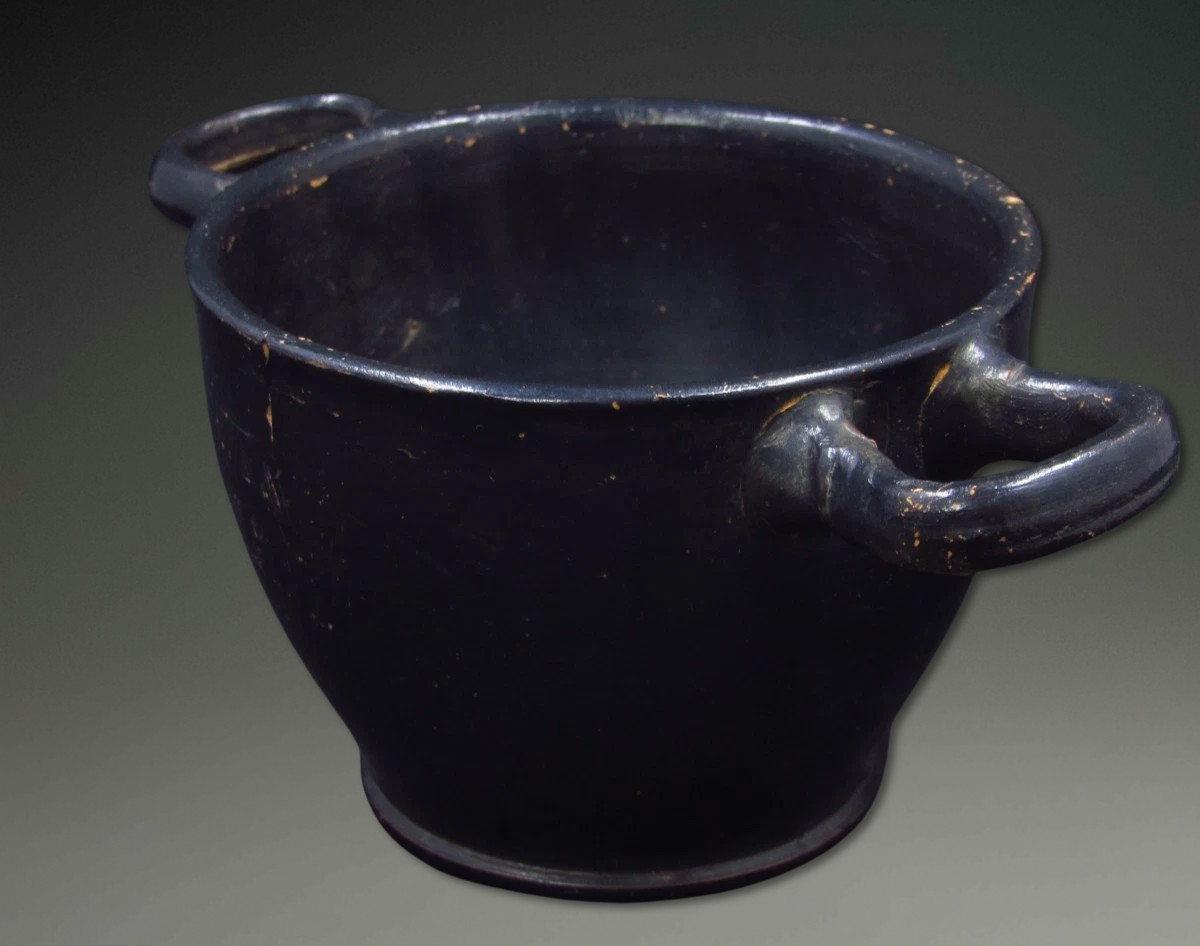

Southern Italy, Apulia. Ceramic Skyphos. ca. 4th-3rd century BC.
(183) 100.00% positive
Source: by Stable MARK - own work.
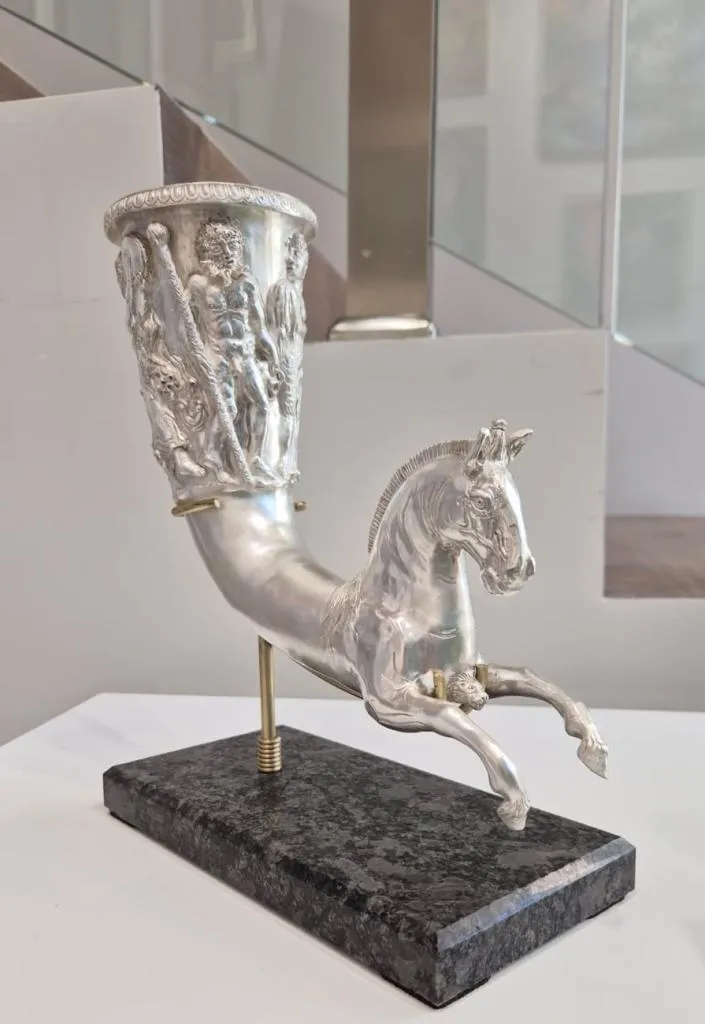
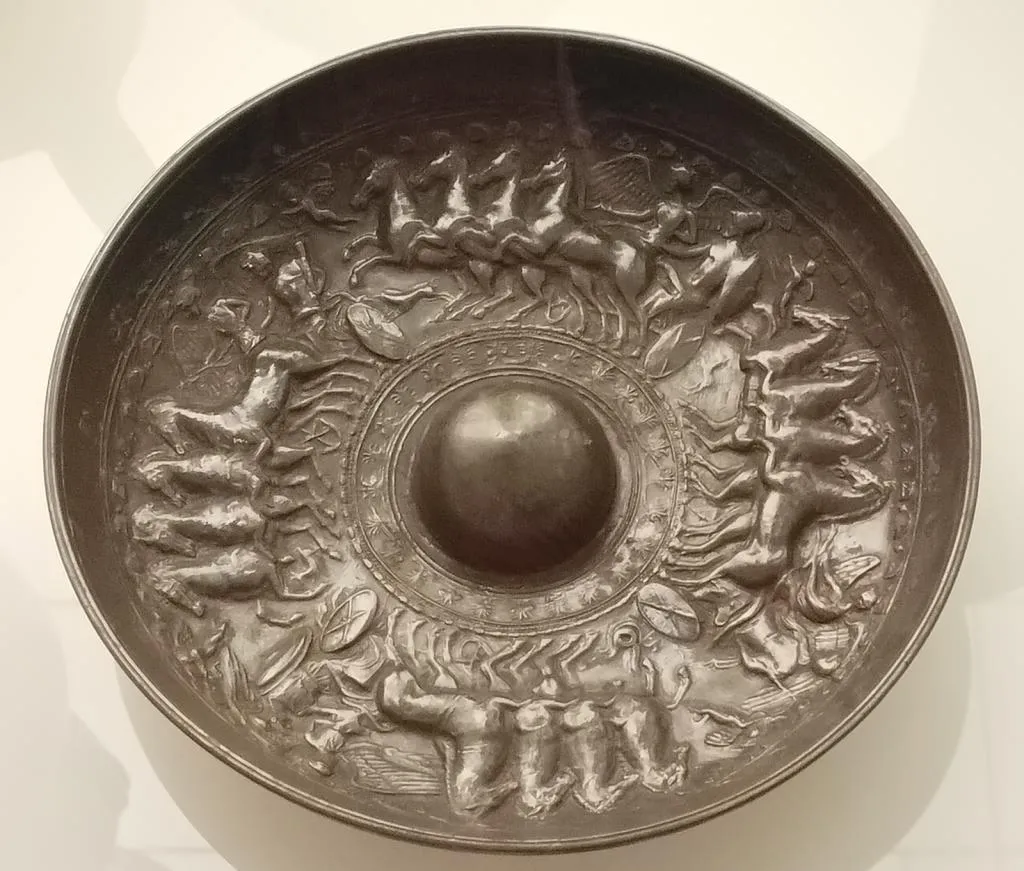
Skyphoi, alongside other drinking vessels like Kylix, Kantharos, Phiale (Patera), and Rhyton, form a central part of Ancient Greek pottery typology.
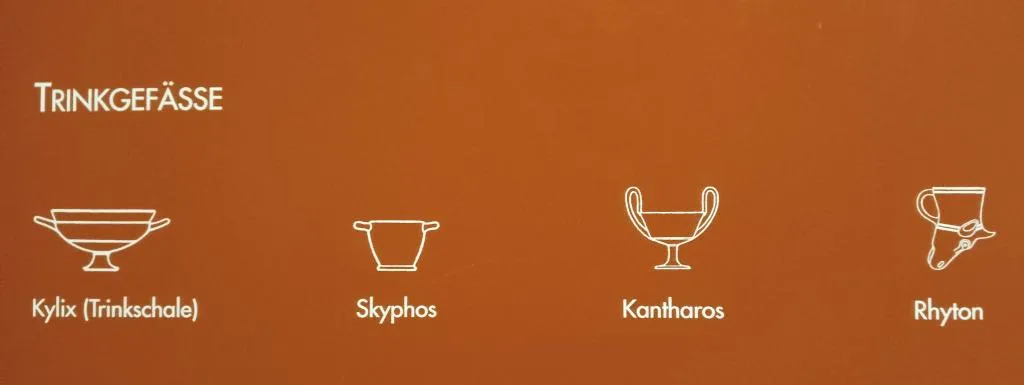
Source: by Stable MARK - own work.
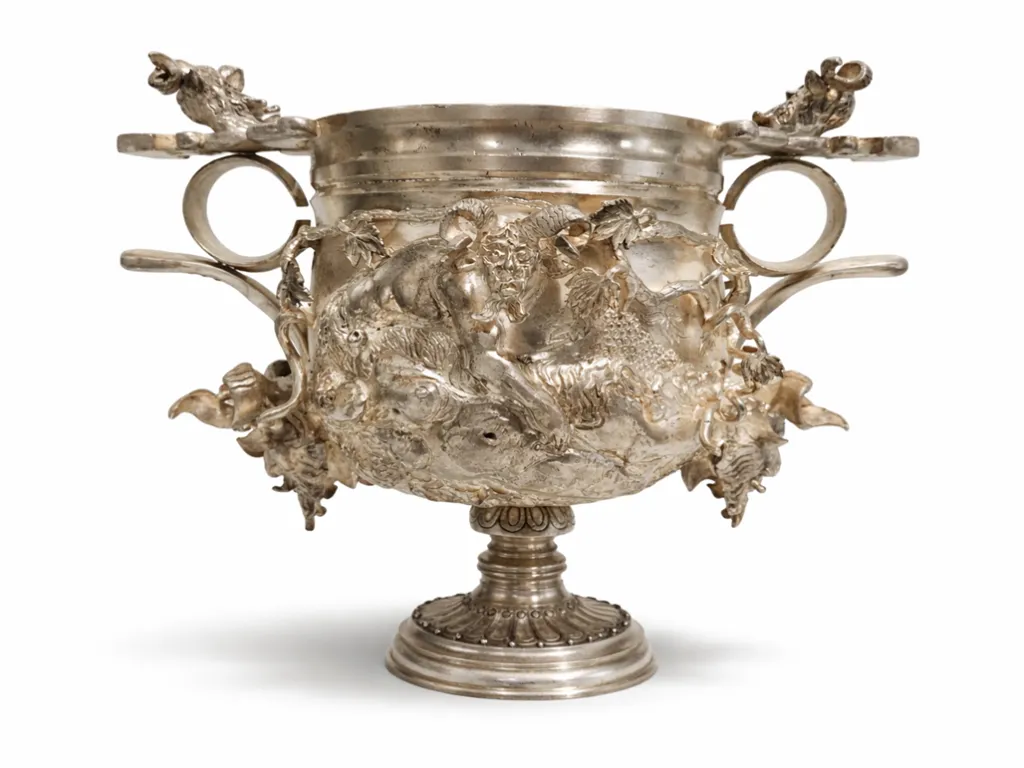
What does the Greek word skyphos mean?
The Greek word σκύφος (skyphos) literally means “cup” or “drinking bowl”.
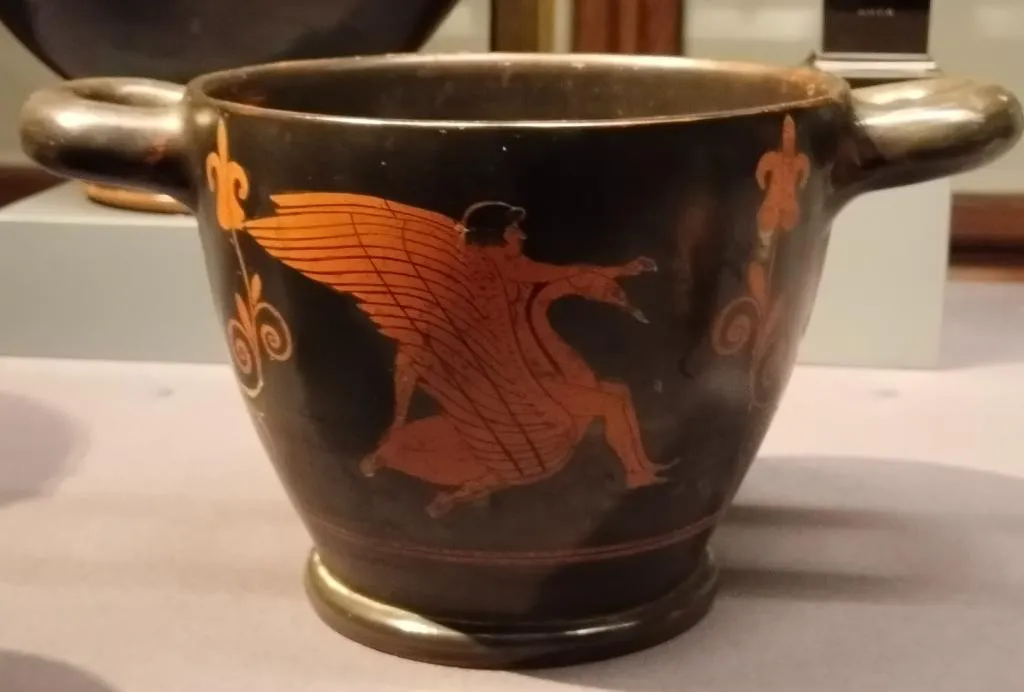
Source: by Stable MARK - own work.

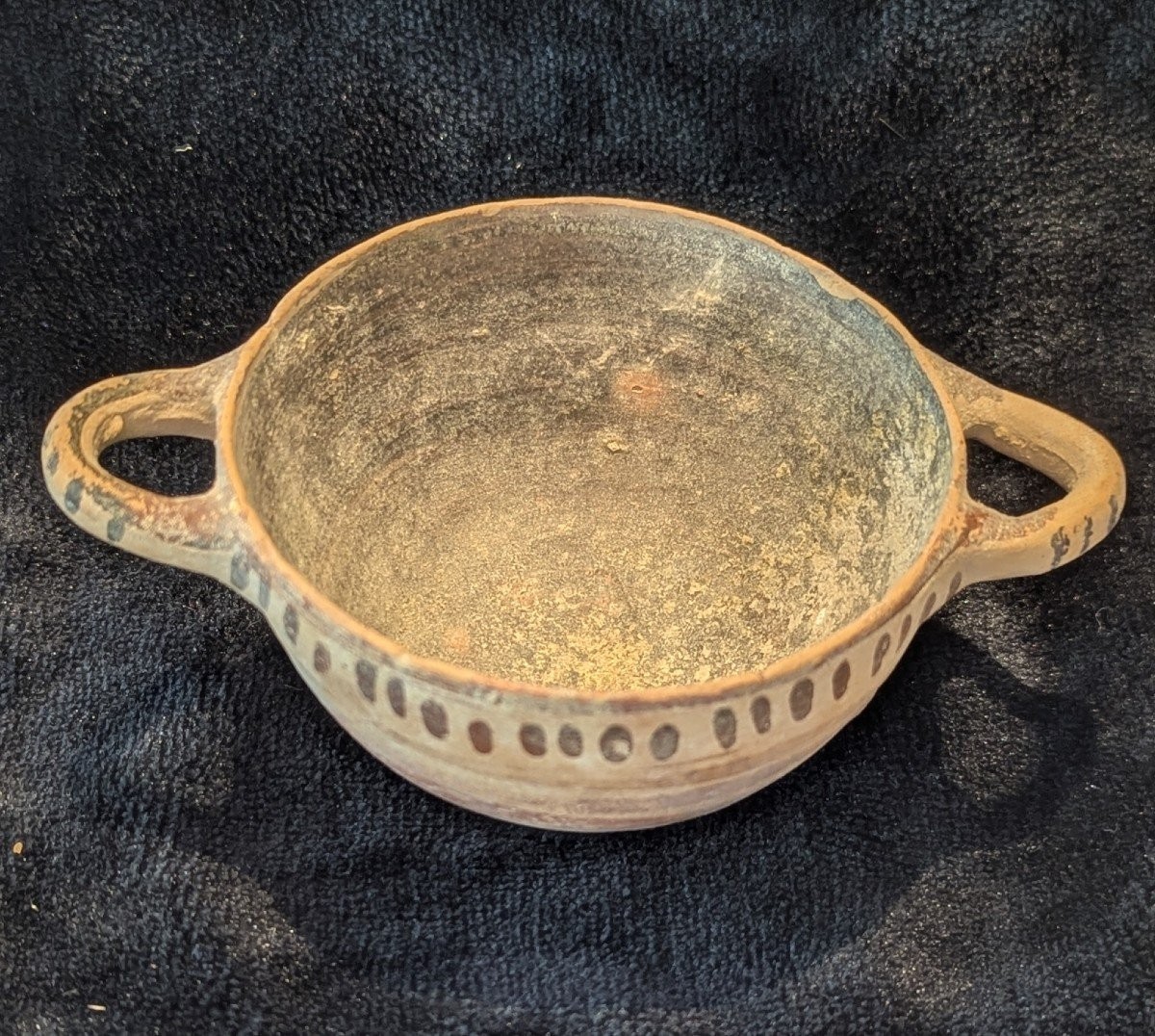

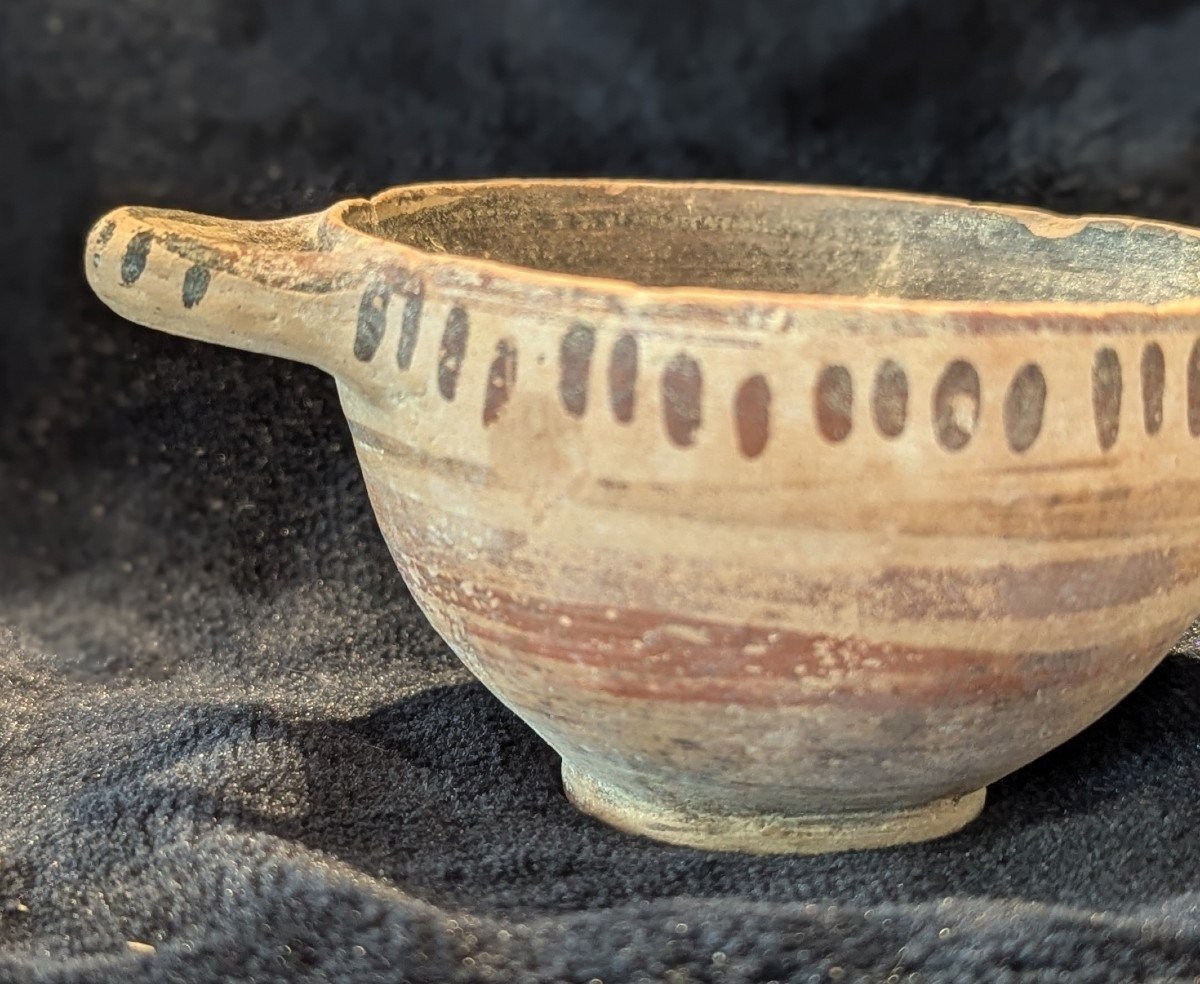
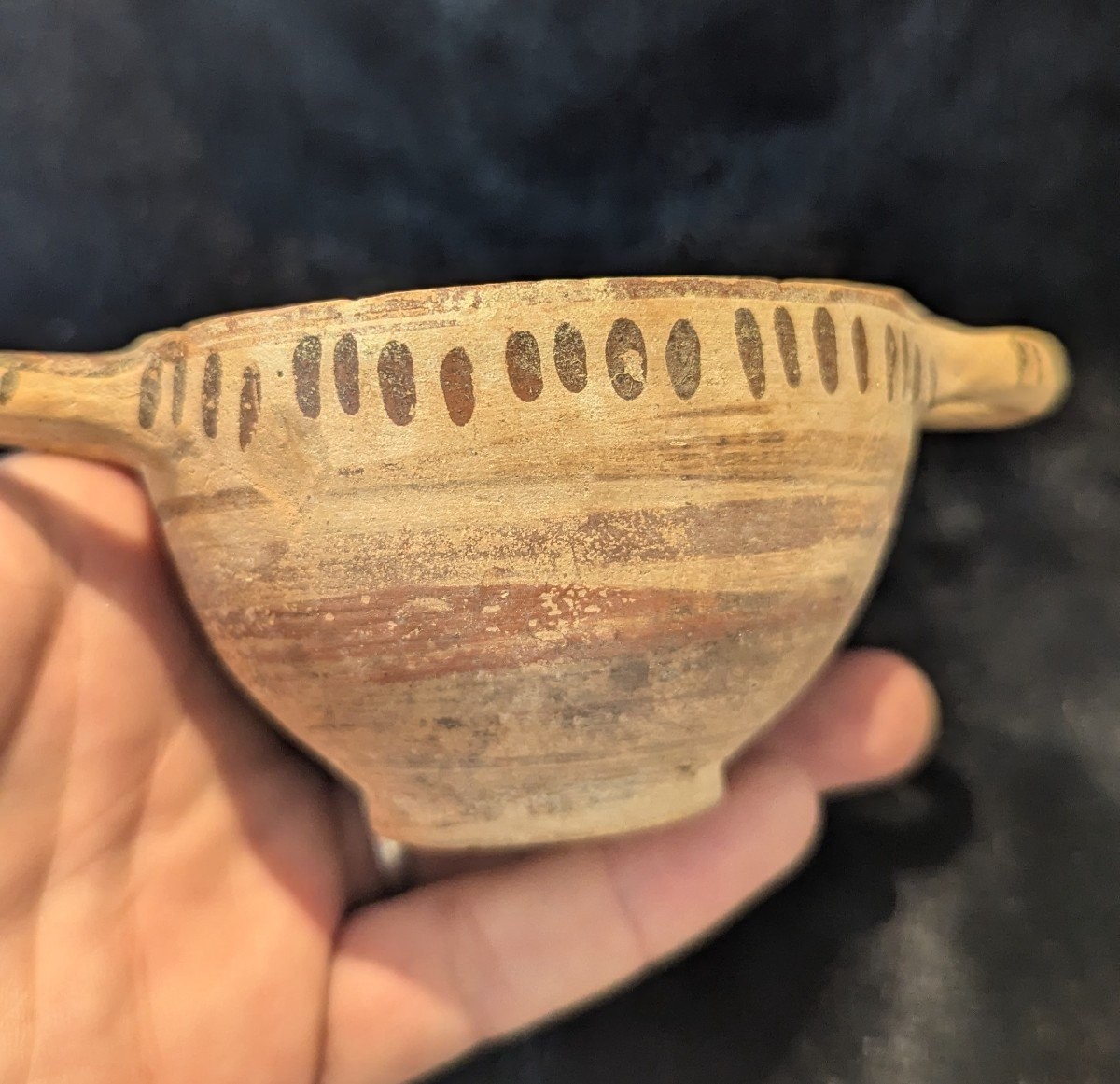

Skyphos - Grande Grèce - IVe Siècle Avant Notre ère - Archéologie
(original price: 399.99 EUR)
(459) 92.30% positive
What is the plural form of skyphos?
The plural is skyphoi (σκύφοι in Greek).
Source: by Stable MARK - own work.

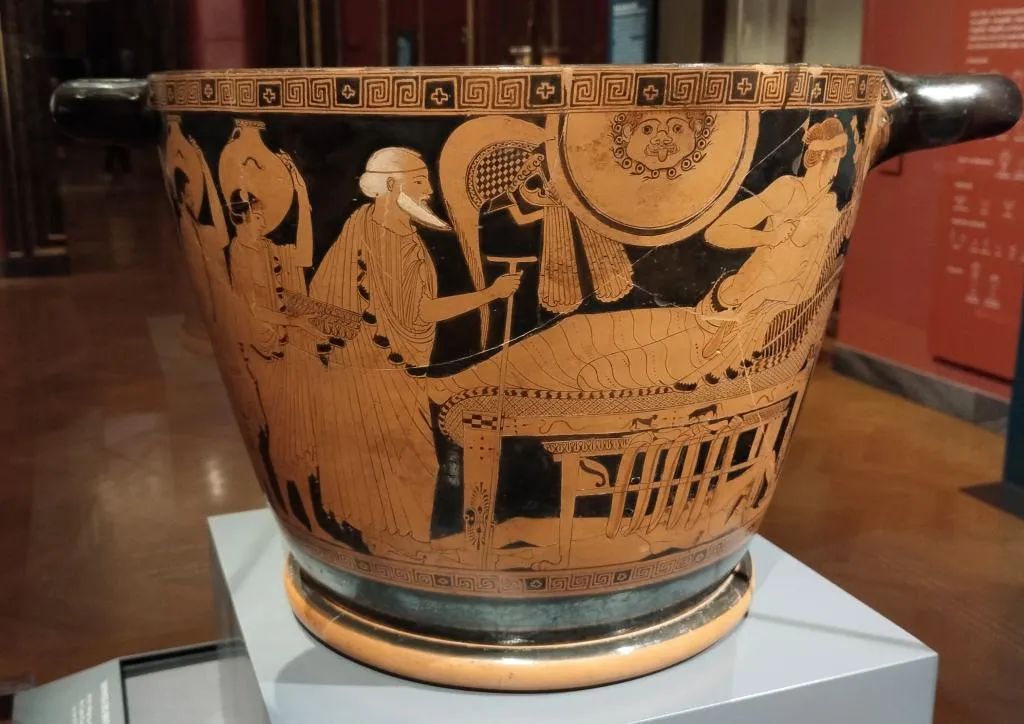
Greece. Attica, Athens. Ceramic Skyphos. ca. 450-400 BC.
(170) 100.00% positive
What is skyphos used for?
Skyphoi were primarily used for drinking wine, especially during symposia (social drinking gatherings).
Source: by Stable MARK - own work.
Source: by Stable MARK - own work.
Source: by Stable MARK - own work.
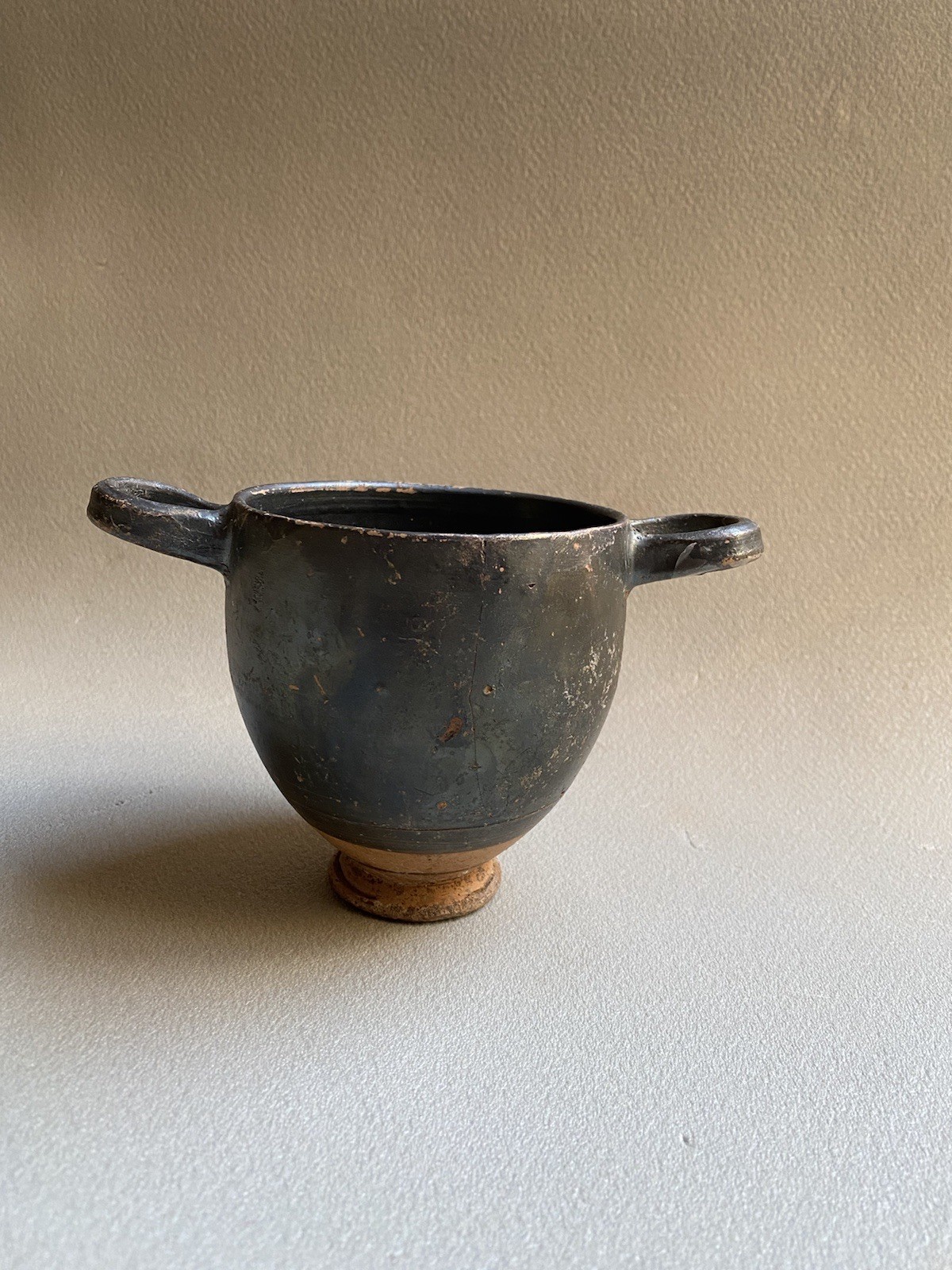
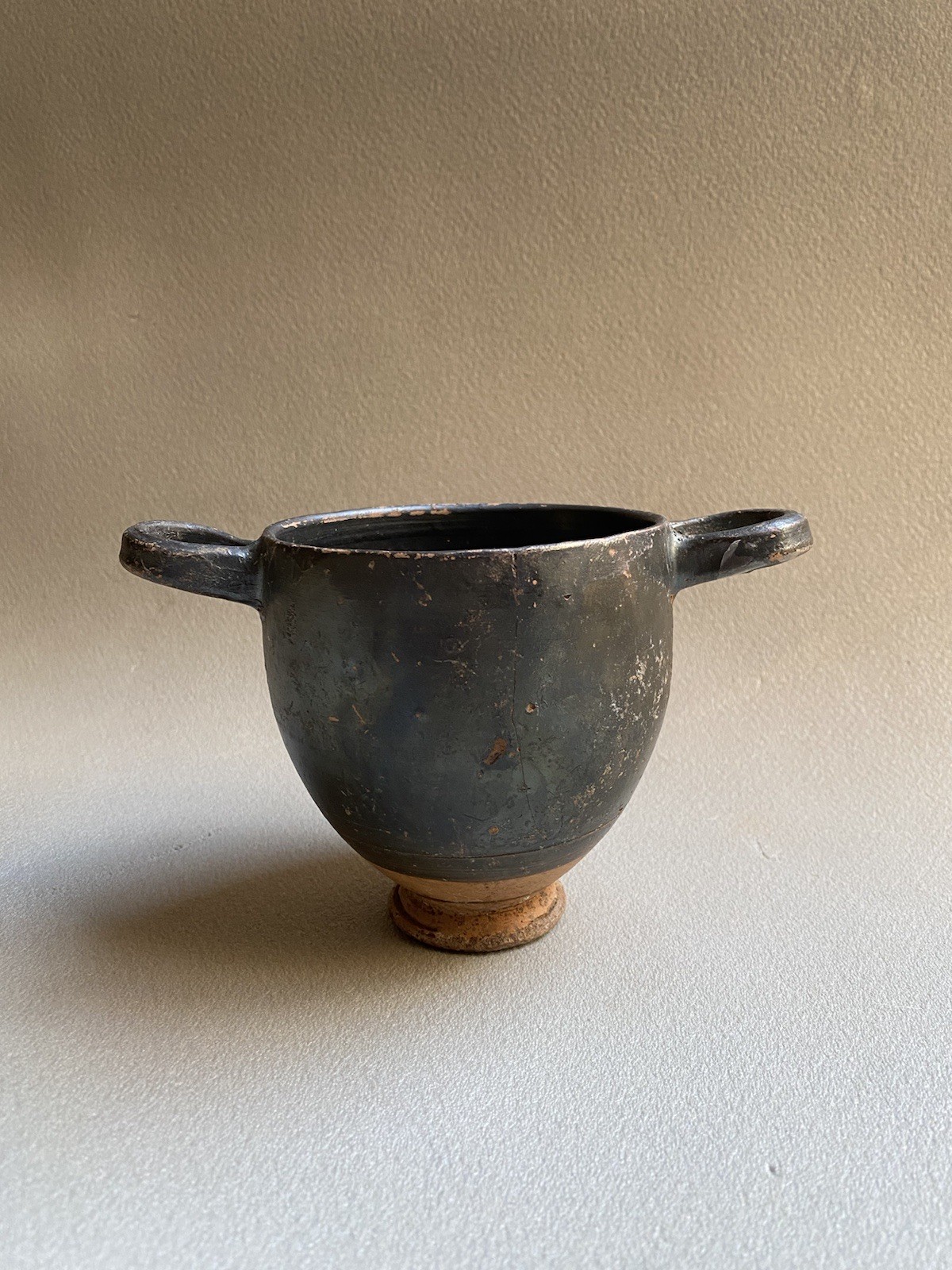
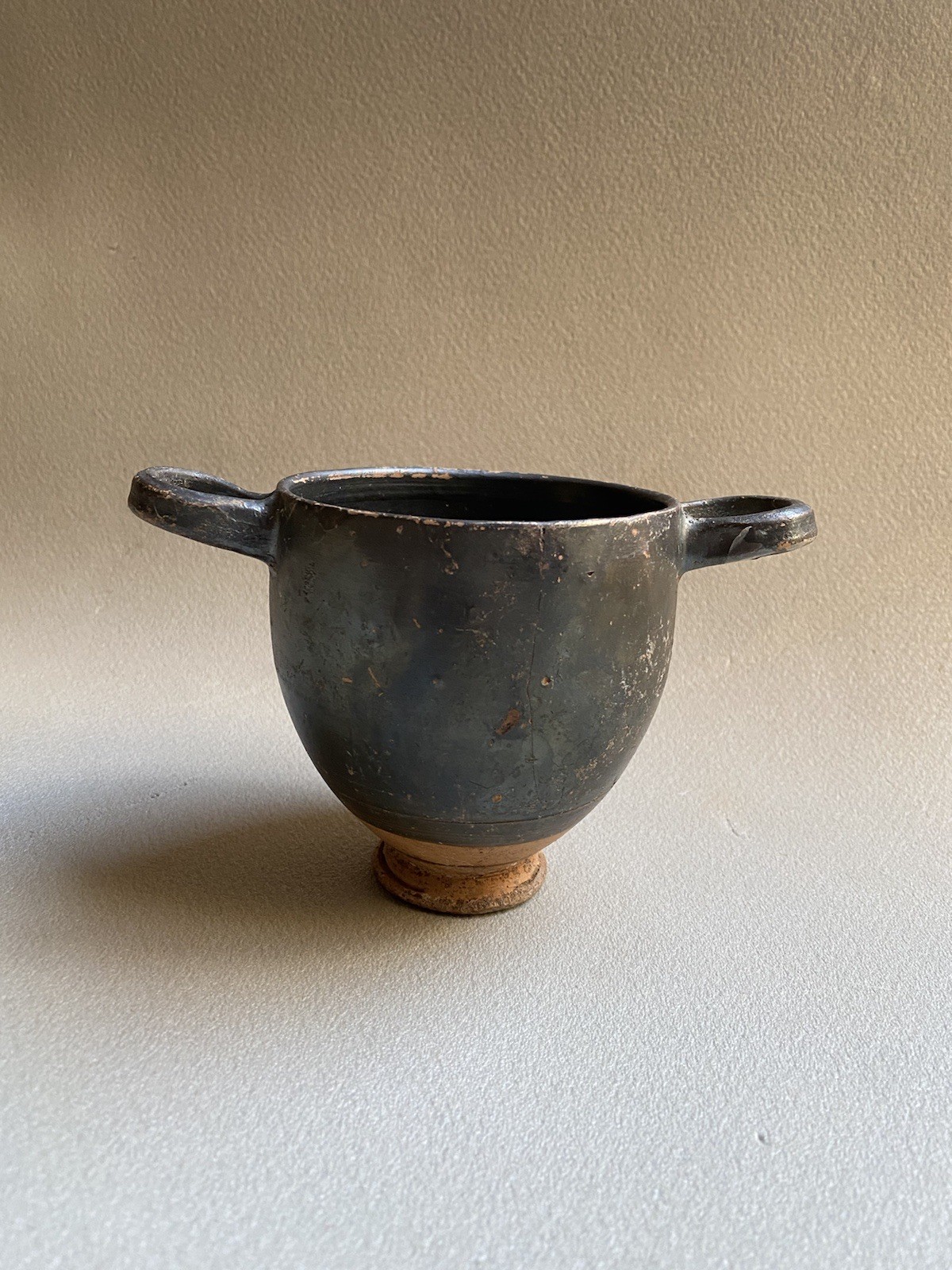


Skyphos Céramique Grande Grèce Antique Italie Apulie Vase Noir Terre Cuite
(original price: 450.00 EUR)
(896) 100.00% positive
Share this article