S. J. Addis Wood Carving Gouges
Explore the technical diversity and precision of S. J. Addis wood carving gouges through these original mid-century catalog plates from Sheffield.
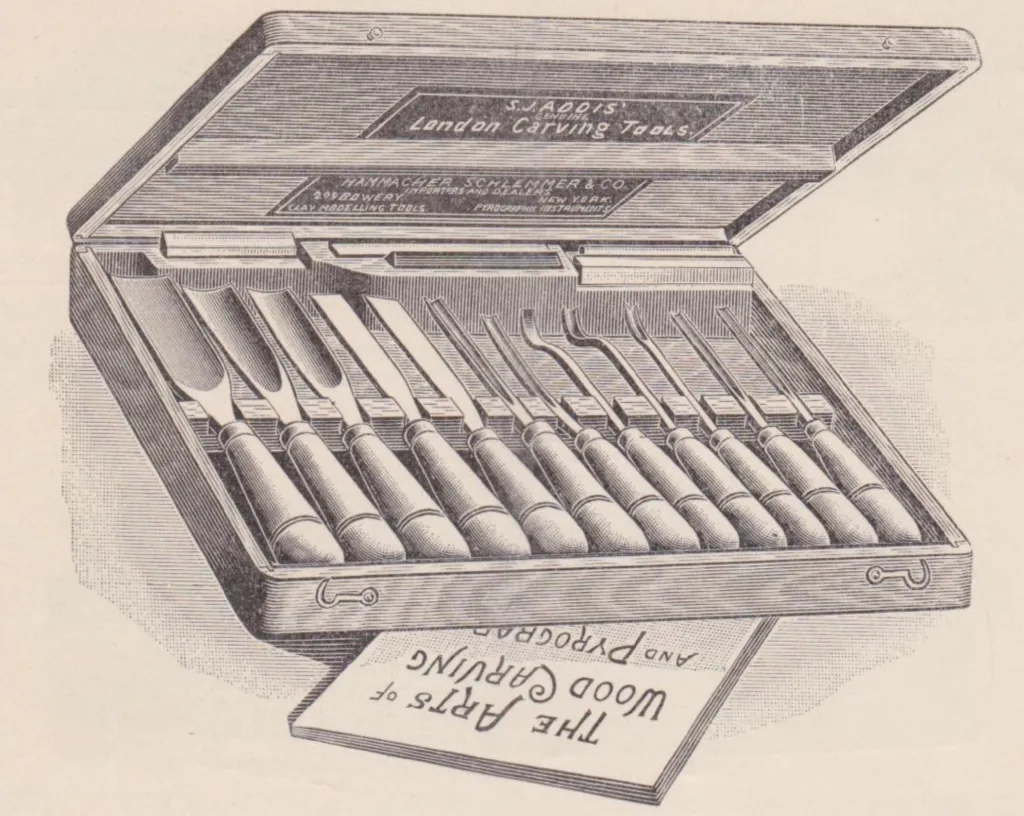
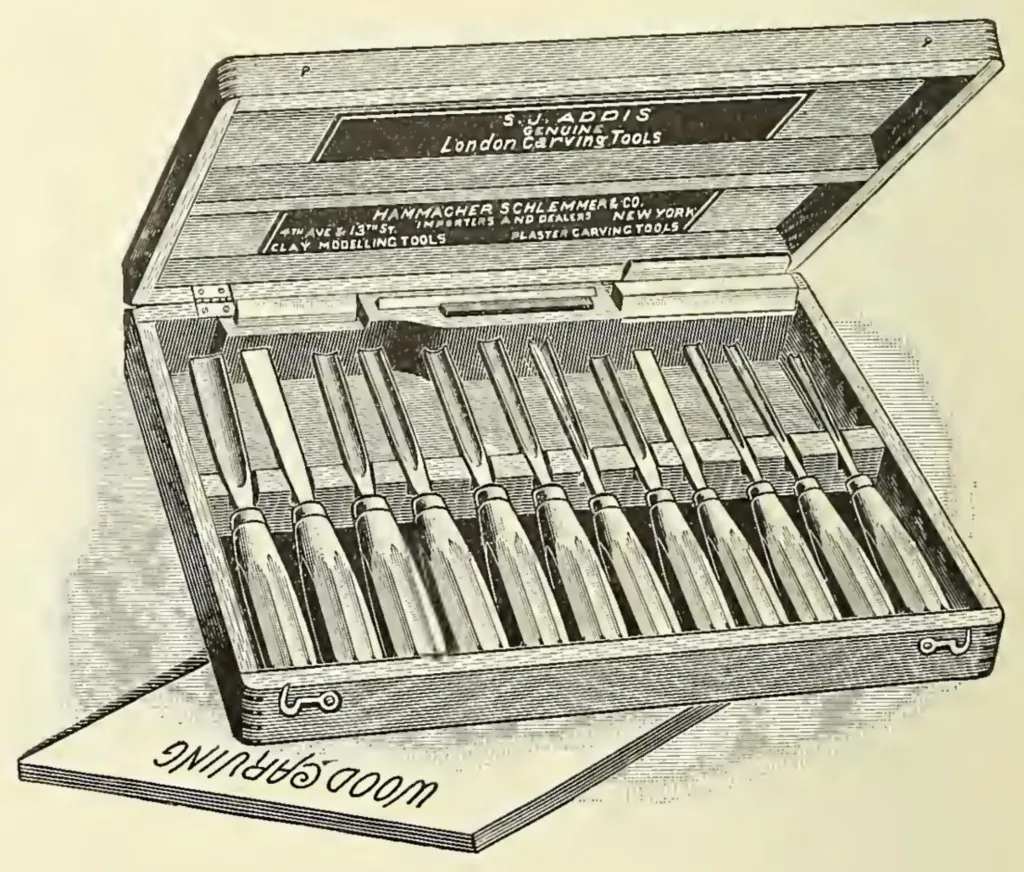
Source: Wood Carvers' Tools, Etc. by Hammacher, Schlemmer & Co 1900, Internet Archive - public domain.
This 1961 catalog documents the specialized wood carving gouges that defined Sheffield's tool-making peak. Although the company no longer exists, these profiles remain the global standard for quality and craftsmanship among collectors and artisans.
Table of Contents
S. J. Addis Straight Wood Carving GougesS. J. Addis Curved Wood Carving GougesS. J. Addis Front Bent Spoon Bit GougesS. J. Addis Back Bent Spoon Bit GougesS. J. Addis Fish Tail and Long Pod Spade GougesS. J. Addis Straight Wood Carving Gouges
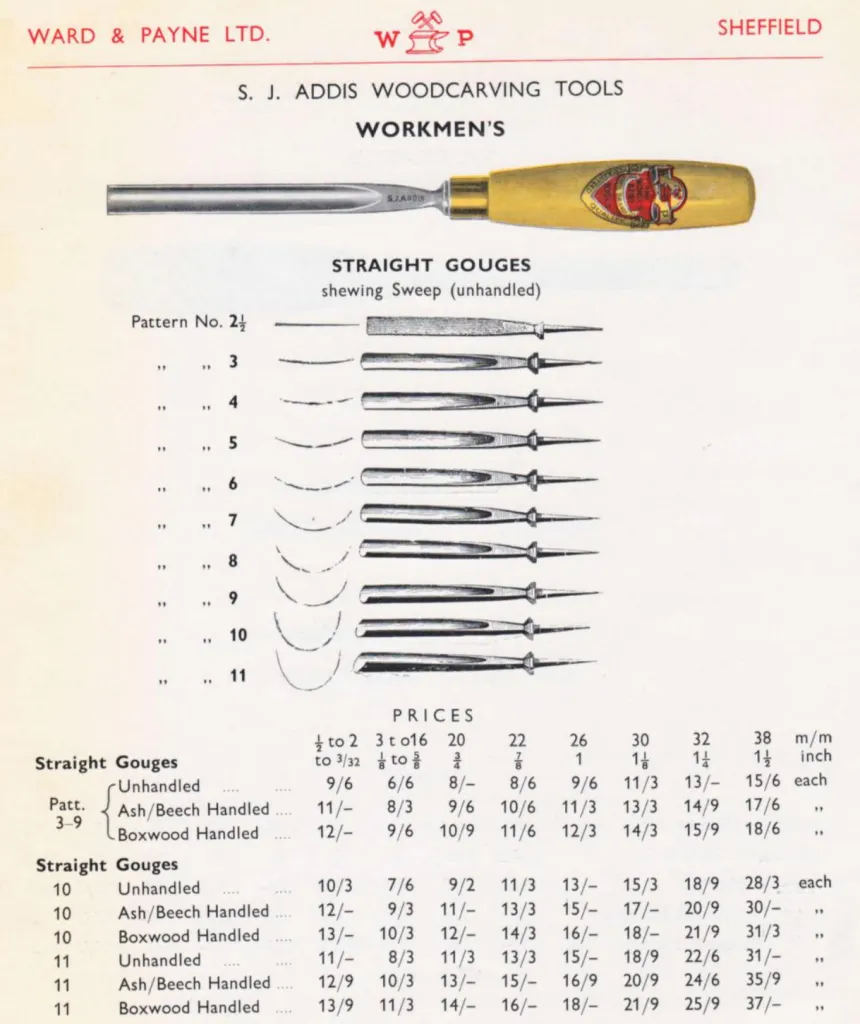
Source: Catalogue of S. J. Addis Wood Carving Tools: Revised 1961 Edition by Ward & Payne Ltd. Internet Archive.
This 1961 catalog represents one of the final eras of the prestigious S. J. Addis brand, which was once the gold standard for professional woodcarvers worldwide. The "Pattern Numbers" (such as No. 11 for a deep veiner or No. 3 for a shallow sweep) became an industry standard that many modern toolmakers still reference today. Interestingly, the prices are listed in the pre-decimal British currency of shillings and pence (e.g., 9/6), a system that disappeared shortly after this catalog was printed.

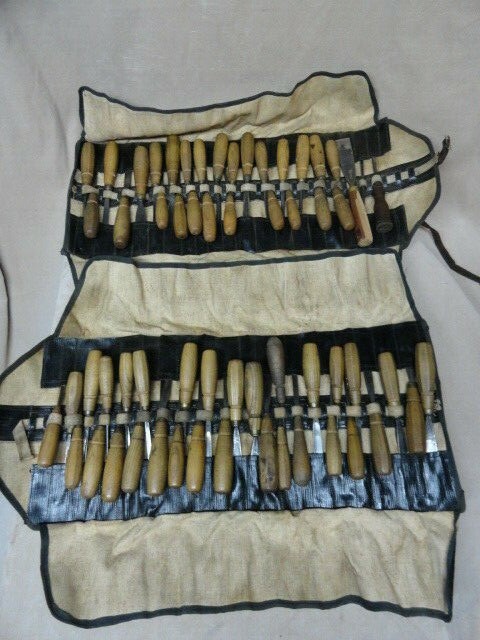
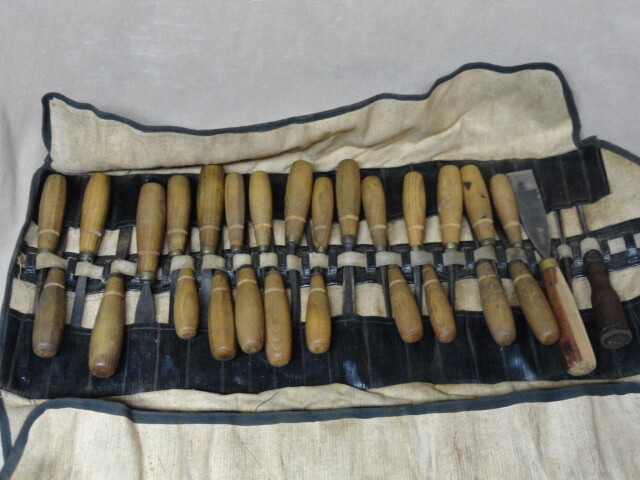
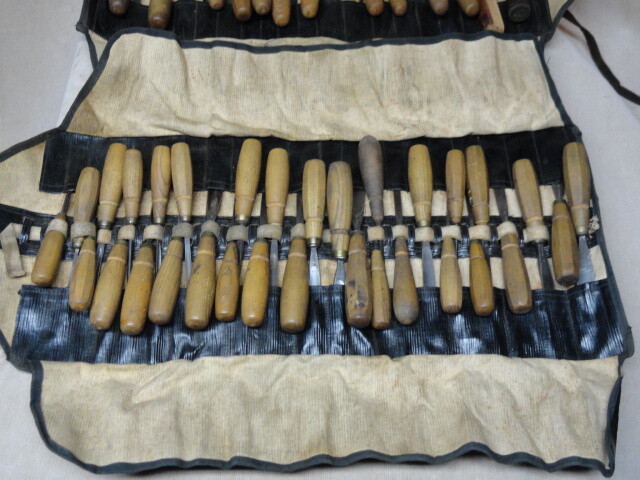
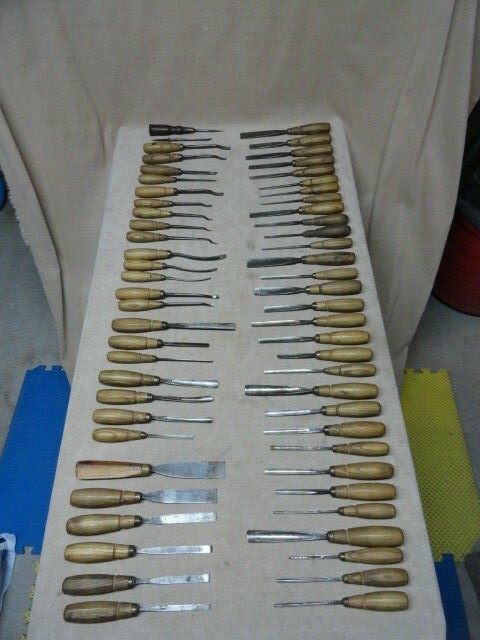

Carving Chisel Set Mostly Addis w/ Cleff Taylor Buck Vintage 60 pc w/ Cases
(5907) 100.00% positive
S. J. Addis Curved Wood Carving Gouges
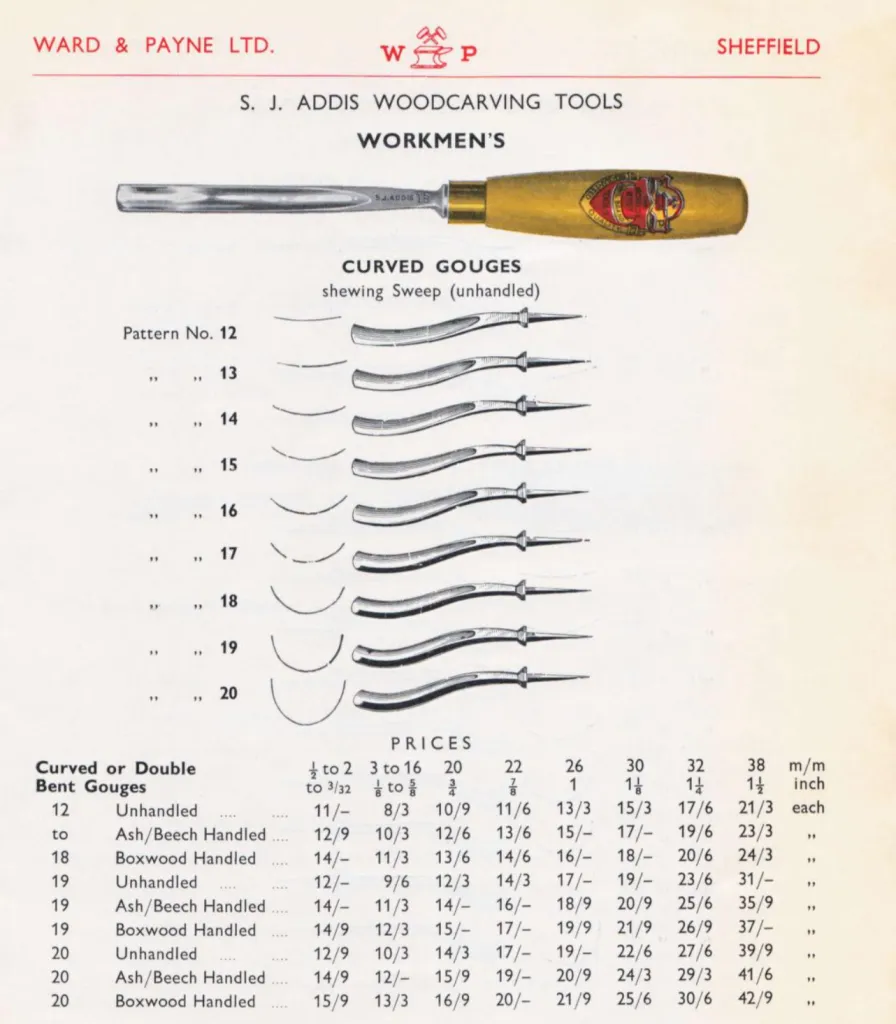
Source: Catalogue of S. J. Addis Wood Carving Tools: Revised 1961 Edition by Ward & Payne Ltd. Internet Archive.
The catalog features professional-grade curved or double bent gouges specifically designed for reaching recessed areas and deep hollows in woodcarving. Patterns No. 12 through 20 provide a wide variety of sweeps, ranging from nearly flat profiles to deep U-shaped gouges, available in widths from 3 mm to 38 mm.

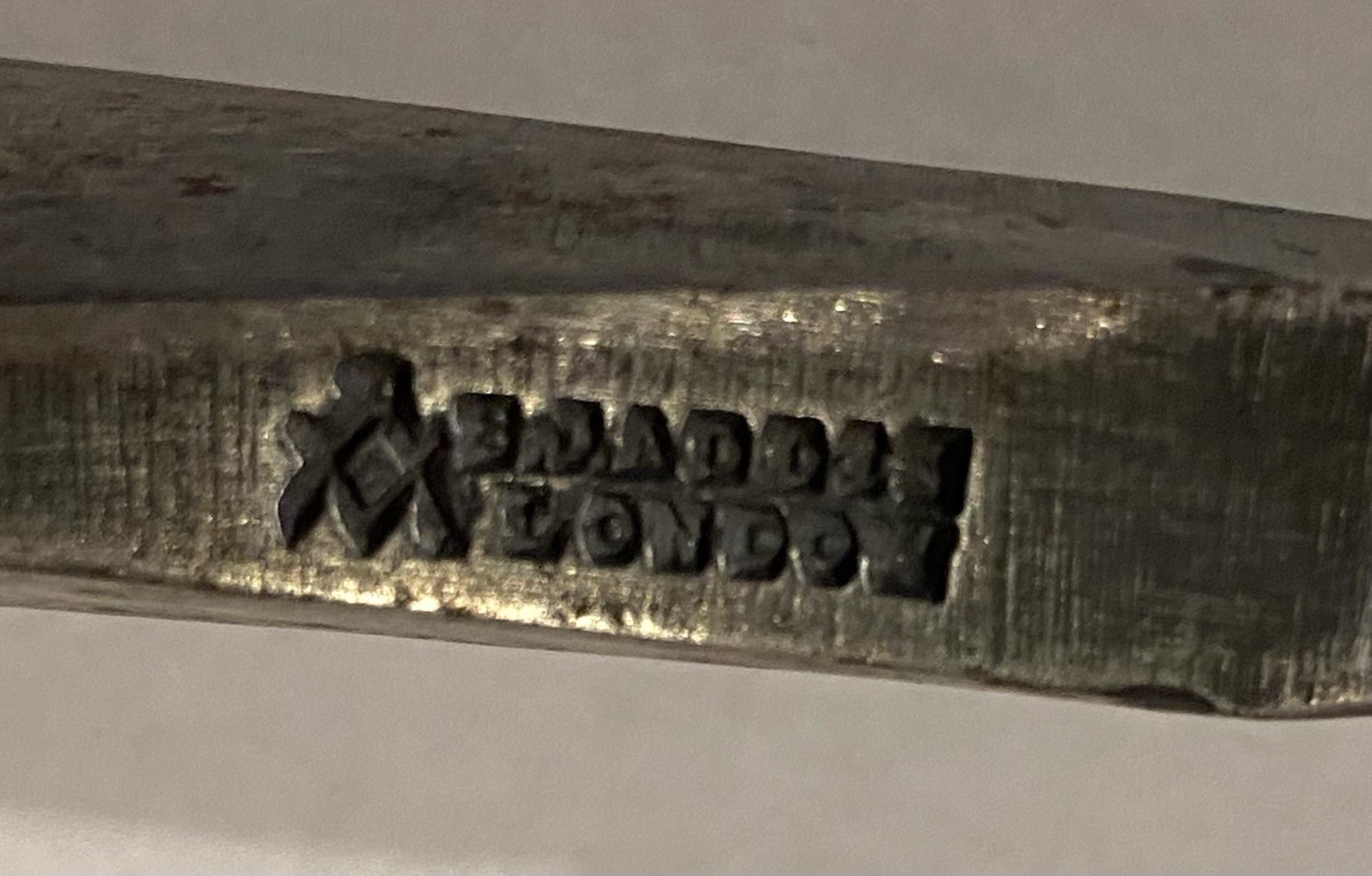
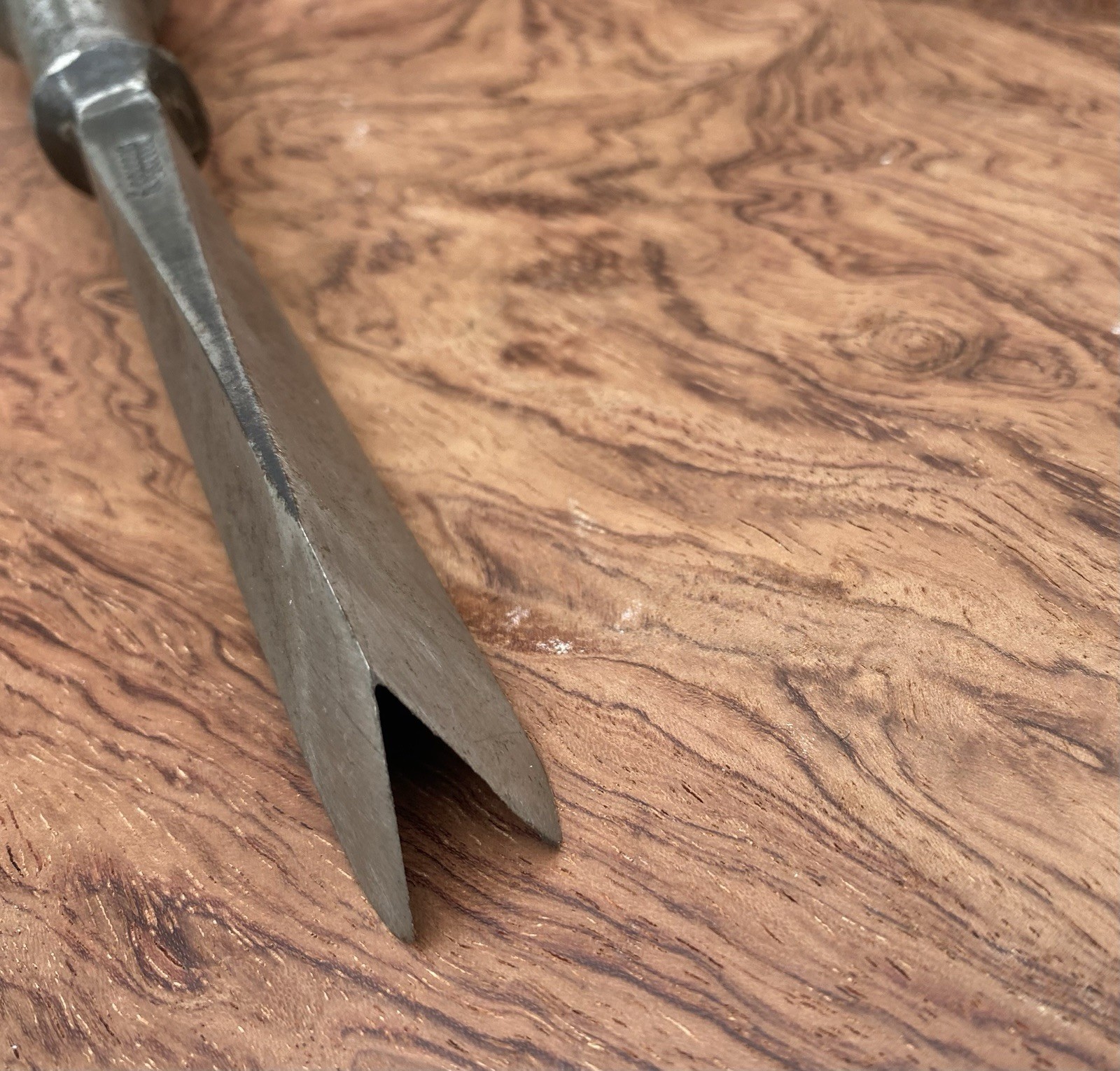

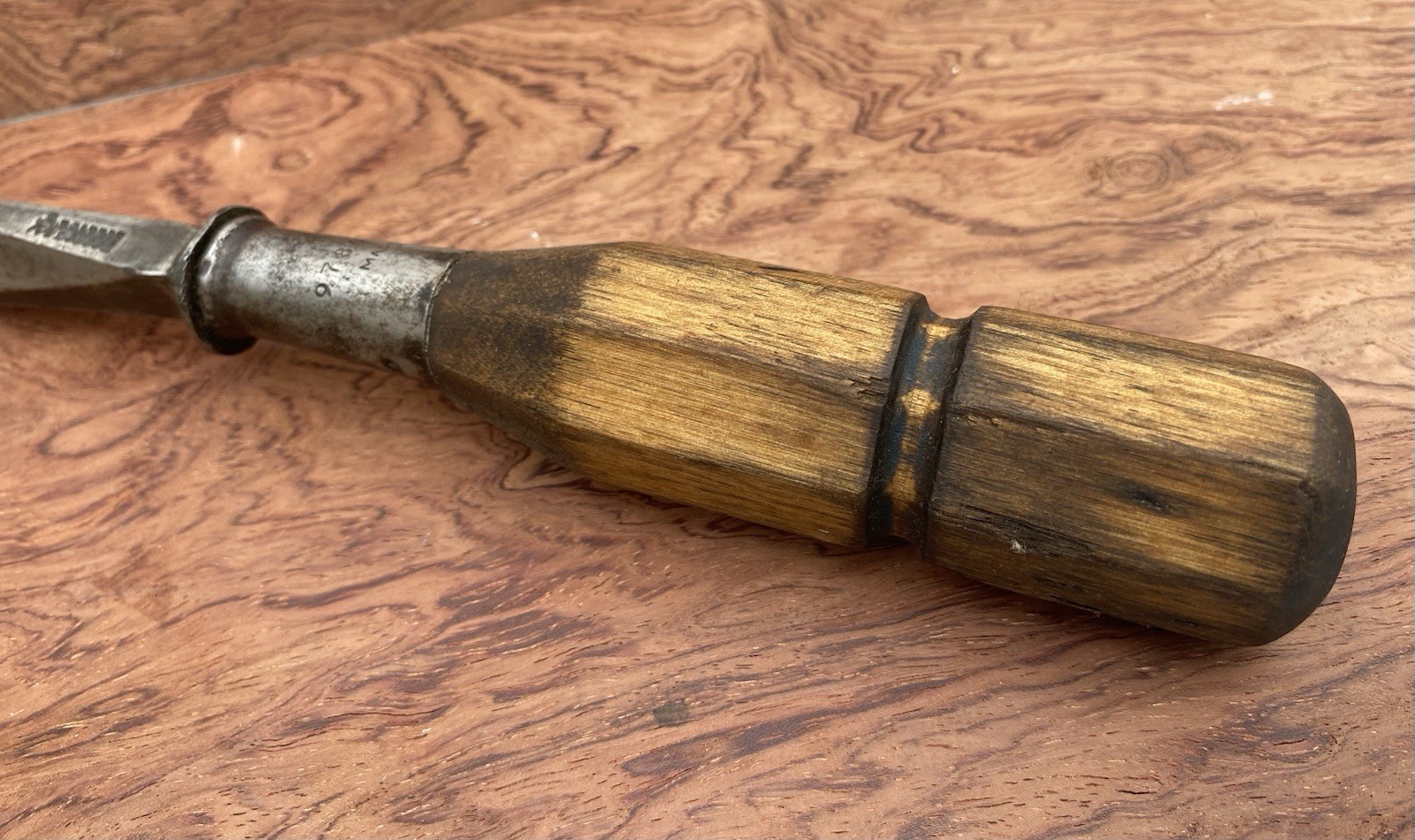

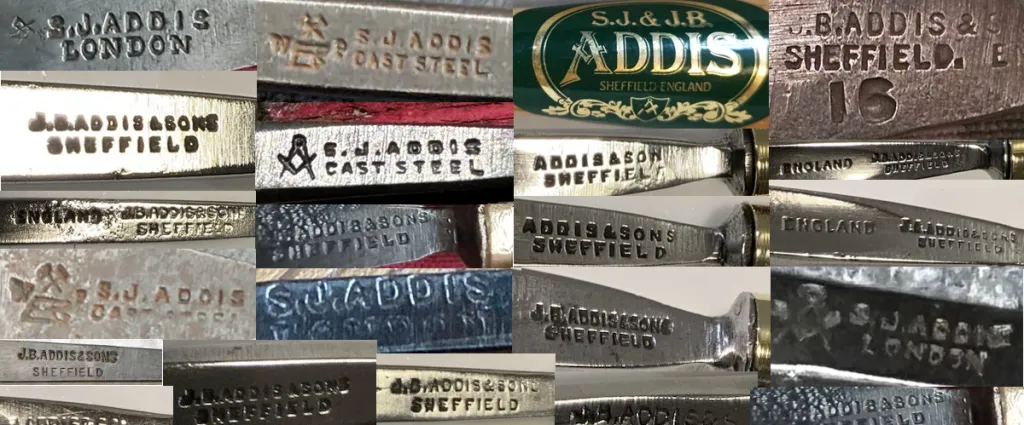
Antique S.J. Addis London carving gouge. Wood Handle,Masonic compass Logo#GL
(3765) 100.00% positive
Learn More Still curious? Click here to see more S. J. Addis Carving Tools.
S. J. Addis Front Bent Spoon Bit Gouges
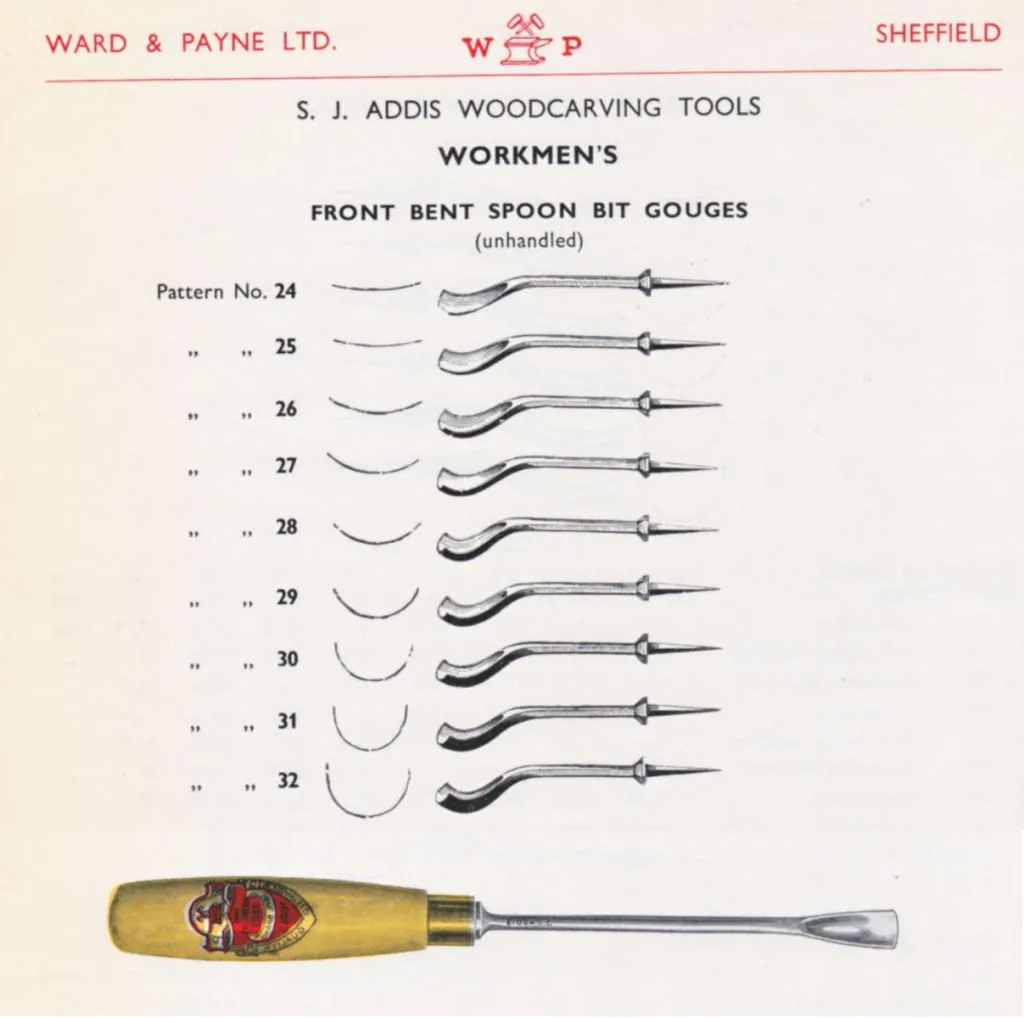
Source: Catalogue of S. J. Addis Wood Carving Tools : Revised 1961 Edition by Ward & Payne Ltd. Internet Archive.
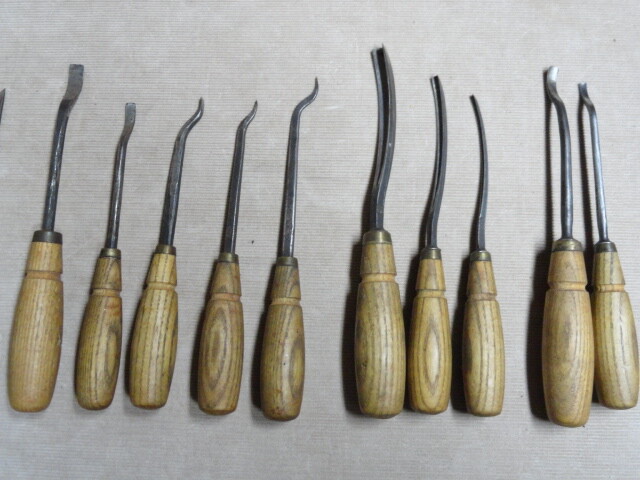
The "Front Bent" or "Spoon Bit" gouges shown here represent the pinnacle of specialized Sheffield toolmaking from the mid-20th century. Unlike straight gouges, these tools feature a distinct curve at the end of the shaft, allowing a carver to reach into deep recesses or undercuts that a straight tool would simply hit. Patterns No. 24 through 32 range from very shallow curves to deep, steep-sided "V" or "U" shapes. While this specific catalog dates to 1961, the manufacturer has long since closed its doors, making these original Sheffield-forged pieces highly prized "heirloom" tools among modern woodworkers who value the superior temper of mid-century high-carbon steel.


19 Vintage wood carving gouges including Addis & Marples & Hints & Wood Box
(988) 99.60% positive
Learn More Still curious? Click here to see more S. J. Addis Wood Carving Chisels.
S. J. Addis Back Bent Spoon Bit Gouges
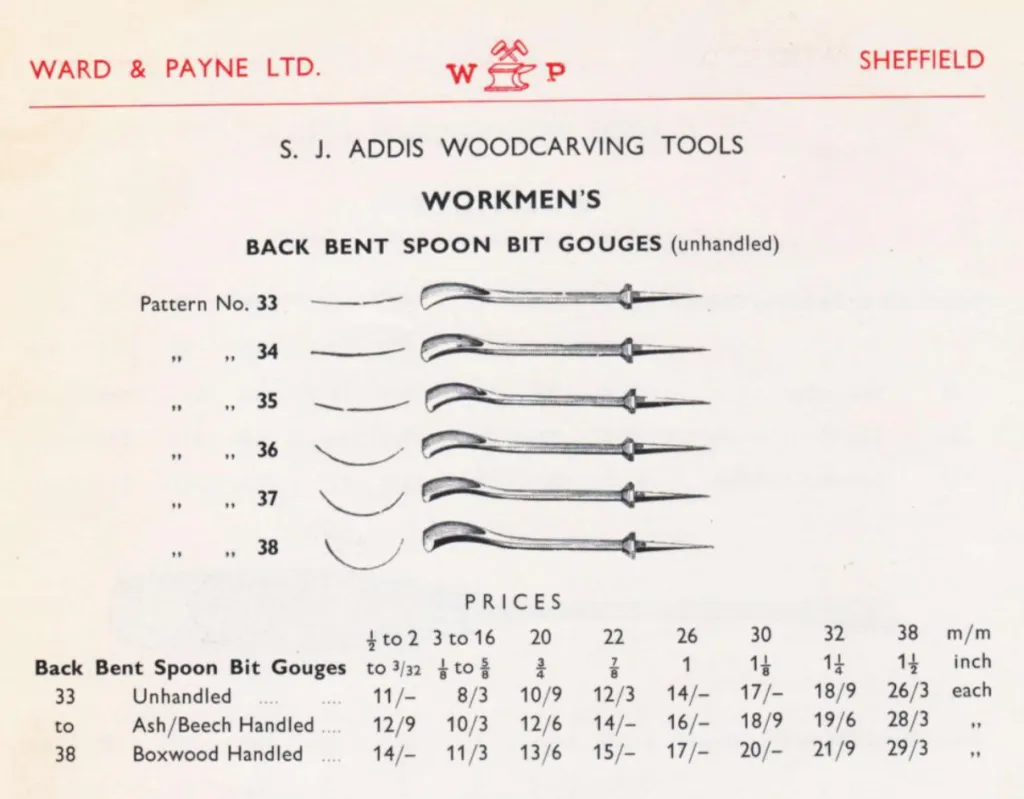
Source: Catalogue of S. J. Addis Wood Carving Tools : Revised 1961 Edition by Ward & Payne Ltd. Internet Archive.
The "Back Bent" or "Long Bent" spoon bit gouges depicted here represent a highly specialized category of carving tools from the mid-century Sheffield era. Unlike standard front-bent tools, these are designed with the bevel on the opposite side, allowing the carver to work on convex surfaces or deep, rounded recesses from a different angle of attack. Patterns No. 33 through 38 provided a range of sweeps for intricate sculptural work. As this manufacturer is no longer in existence, these catalog records are the primary way modern collectors identify "new old stock" or vintage tools, which are still revered for the exceptional edge-holding properties of their high-carbon steel.


J.B. Addis & Sons – Sweep 34 Back‑Bent Gouge – 19 Prize Medals Sheffield
(4713) 100.00% positive
S. J. Addis Fish Tail and Long Pod Spade Gouges
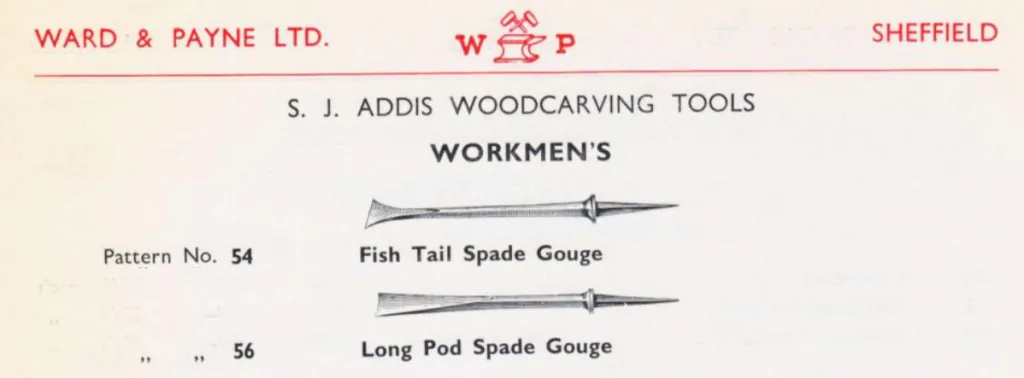
Source: Catalogue of S. J. Addis Wood Carving Tools : Revised 1961 Edition by Ward & Payne Ltd. Internet Archive.
The Fish Tail (Pattern No. 54) and Long Pod (Pattern No. 56) spade gouges are essential for delicate finishing work where a standard heavy-bodied tool might obstruct the carver’s view or fail to reach tight corners. The "Fish Tail" design is particularly prized for its ability to undercut and clean out background areas in relief carving, as the flared edge is wider than the shaft behind it. Produced in Sheffield during the final era of this legendary brand, these tools were forged from high-carbon steel designed to hold a razor edge. Because the original manufacturer is no longer in business, these specific spade patterns are rare finds on the secondary market and are considered precision instruments by modern professional carvers.
The S. J. Addis catalog from 1961 stands as a final testament to the specialized craftsmanship of Sheffield’s tool-making heritage. From standard straight gouges to highly specific spoon bits and spade tools, these designs provided woodcarvers with the precision necessary for the most complex architectural and artistic tasks. Though the company is no longer in operation, the enduring quality of its high-carbon steel ensures that these tools remain indispensable for researchers and collectors of vintage craftsmanship.
Share this article