S. J. Addis Wood Carving Chisels
This guide explores the technical evolution and historical provenance of S. J. Addis woodcarving tools, detailing the diverse patterns and maker's marks that defined this legendary Sheffield brand.
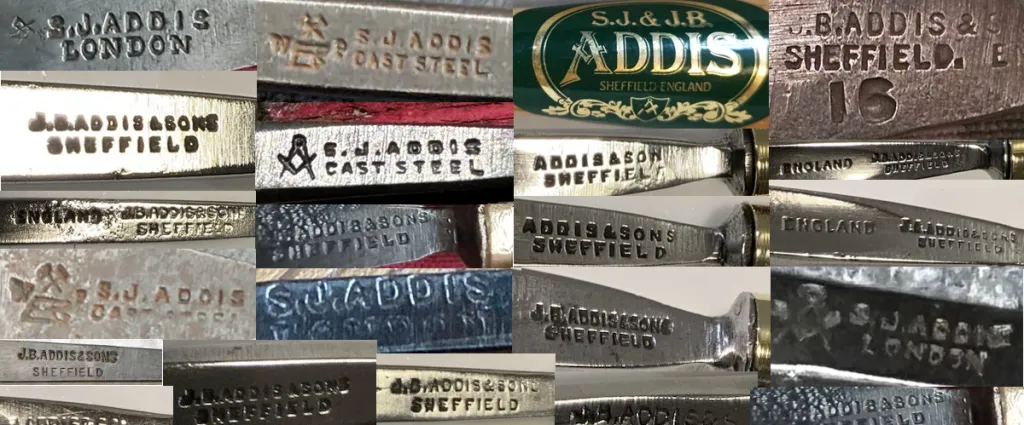
Source: by Stable MARK - own work.
From the artisanal workshops of London to the heavy industrial forges of Sheffield, the name S. J. Addis has long represented the pinnacle of edge-tool manufacturing. In this feature, we delve into the 1961 catalog of these legendary woodcarving tools, analyzing the technical evolution of specialized patterns like the spoon bit and the dog leg chisel.
Table of Contents
The S. J. Addis Spoon Bit and Entering ChiselsS. J. Addis Straight and Skew Wood Carving ChiselsThe S. J. Addis Fish Tail, Long Pod, and Dog Leg Specialized ChiselsThe Genuine London Set: An Early S. J. Addis CollectionThe S. J. Addis Tool ChartThe S. J. Addis Spoon Bit and Entering Chisels
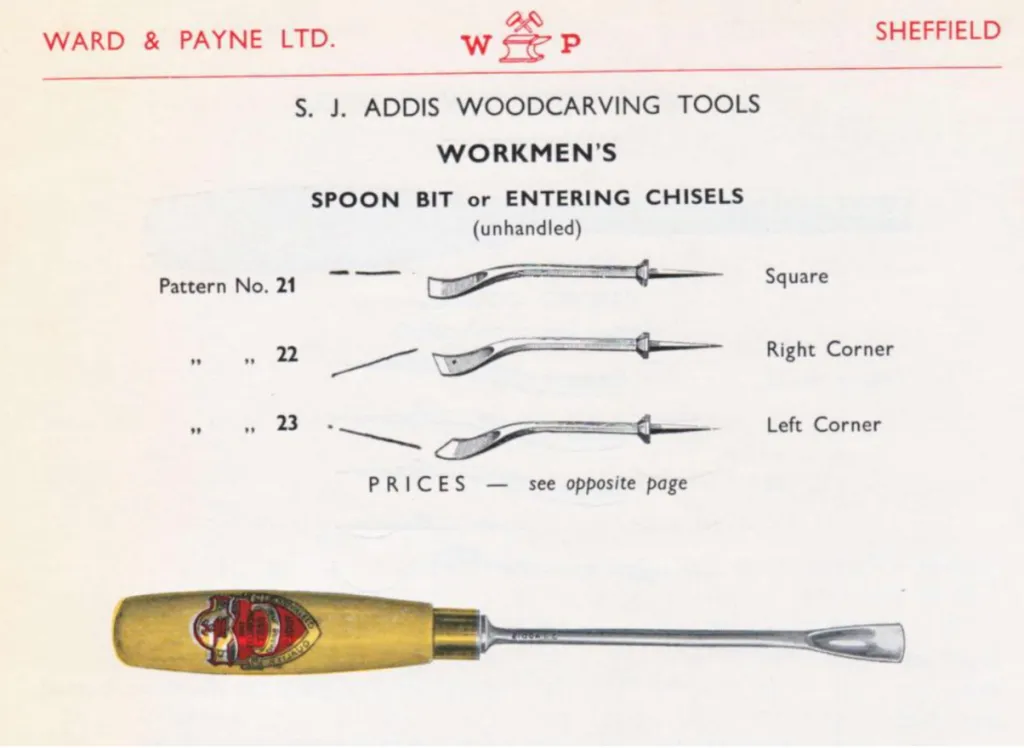
Source: Catalogue of S. J. Addis Wood Carving Tools : Revised 1961 Editionby Ward & Payne Ltd. Internet Archive.
This page illustrates a crucial category of professional woodcarving tools known as "spoon bits" or entering chisels (Patterns 21, 22, and 23). Unlike straight gouges, these tools feature a distinct "crank" or bend in the steel shank just before the cutting edge. This ergonomic design is essential for carvers working in deep relief or confined recesses—such as the bowl of a spoon or intricate architectural molding—allowing the tool to cut without the handle fouling against the rim of the workpiece. The designation "Workmen's" in this 1961 catalog indicates these were high-carbon steel tools tempered for professional tradesmen, upholding the prestigious S.J. Addis brand reputation that Sheffield manufacturers maintained for decades long after the original Addis family had ceased production.


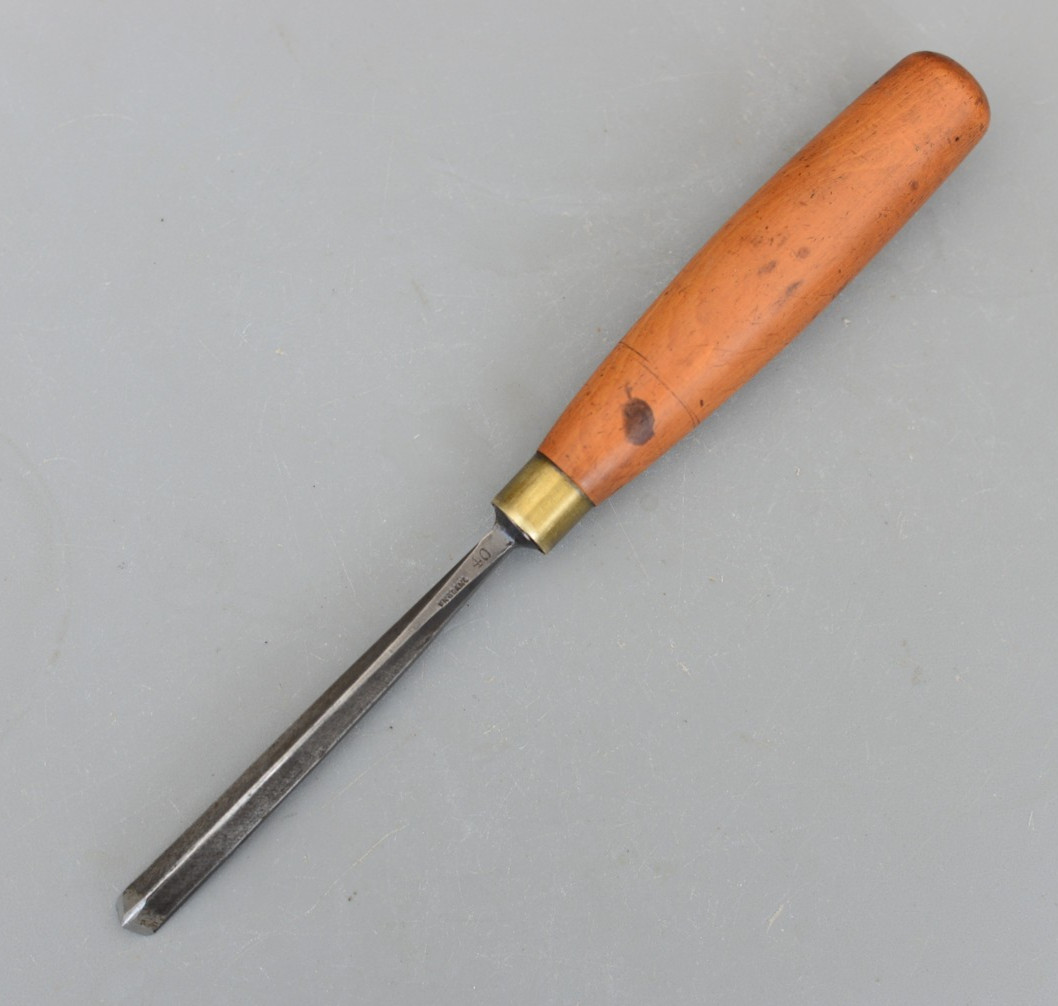

Vintage S.J.Addis England Carving V-tool No 40 / Gouge Chisel Woodcarving Sculpt
(original price: 31.90 GBP)
(1173) 99.70% positive
S. J. Addis Straight and Skew Wood Carving Chisels
To any seasoned woodcarver, the name S. J. Addis represents a gold standard in edge-tool manufacturing. This 1961 catalog page provides a window into a bygone era of British industry when Sheffield was the undisputed heart of the tool-making world. By the mid-20th century, Ward & Payne Ltd. had acquired the Addis brand, continuing a legacy of craftsmanship that dated back to the early 19th century.
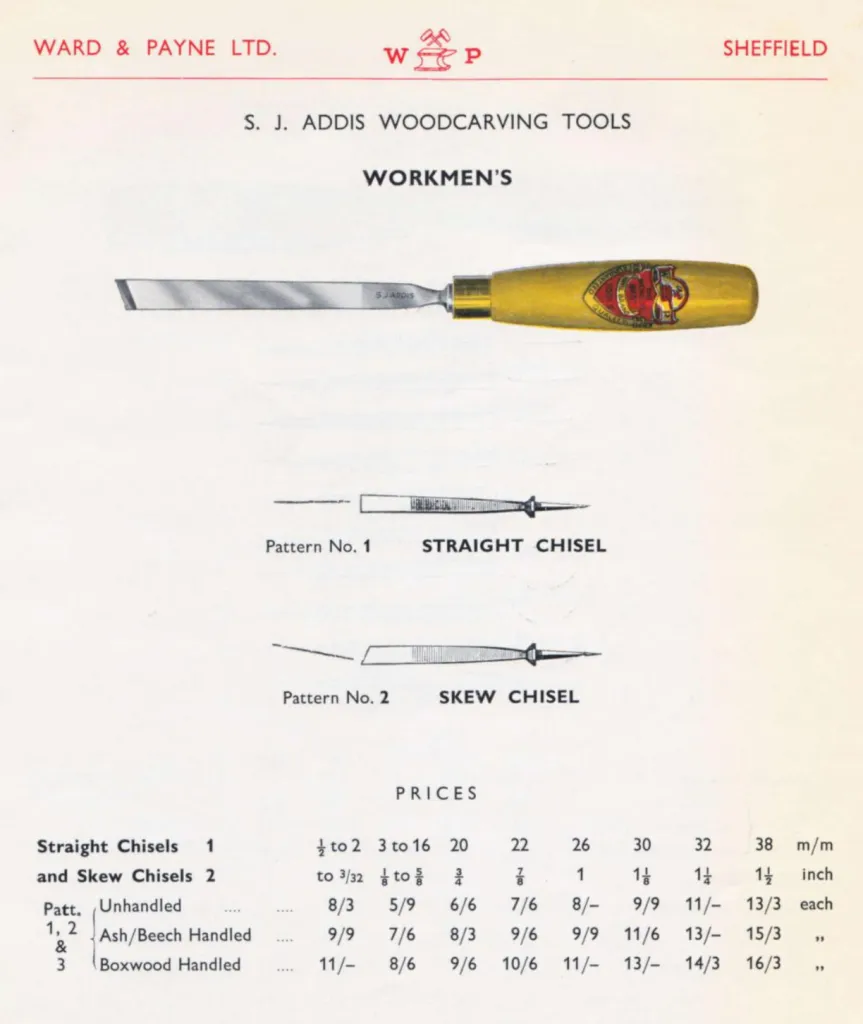
Source: Catalogue of S. J. Addis Wood Carving Tools : Revised 1961 Editionby Ward & Payne Ltd. Internet Archive.
The page highlights the Pattern No. 1 (Straight Chisel) and Pattern No. 2 (Skew Chisel). In woodcarving, "Pattern" refers to the specific sweep or shape of the blade, a numbering system that remains the industry standard today. Notice the pricing structure: tools could be purchased "unhandled" or fitted with Beech, Ash, or the premium Boxwood. Boxwood was—and remains—highly prized by craftsmen because its extreme density prevents the handle from splintering under the repetitive strikes of a mallet.
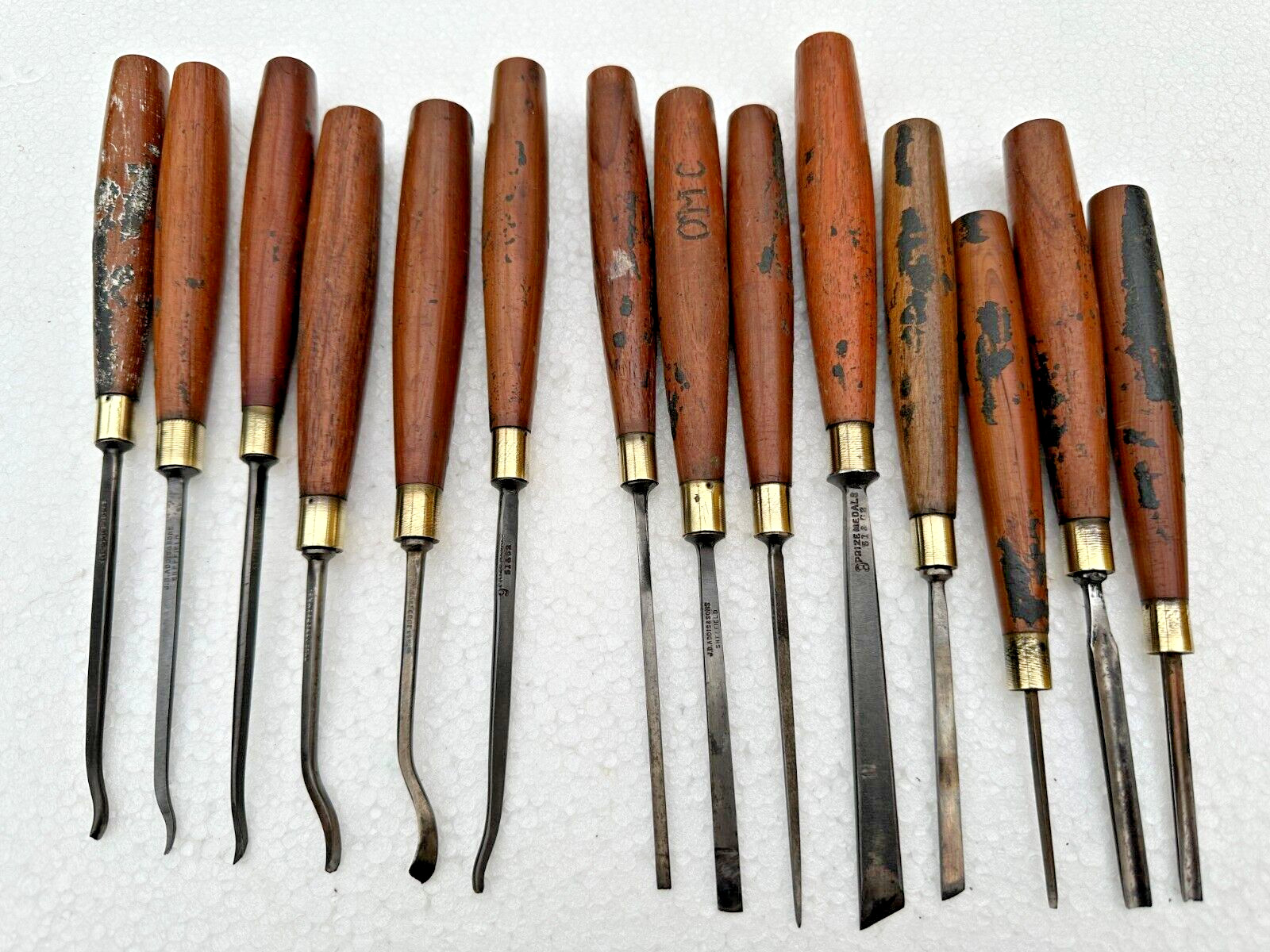


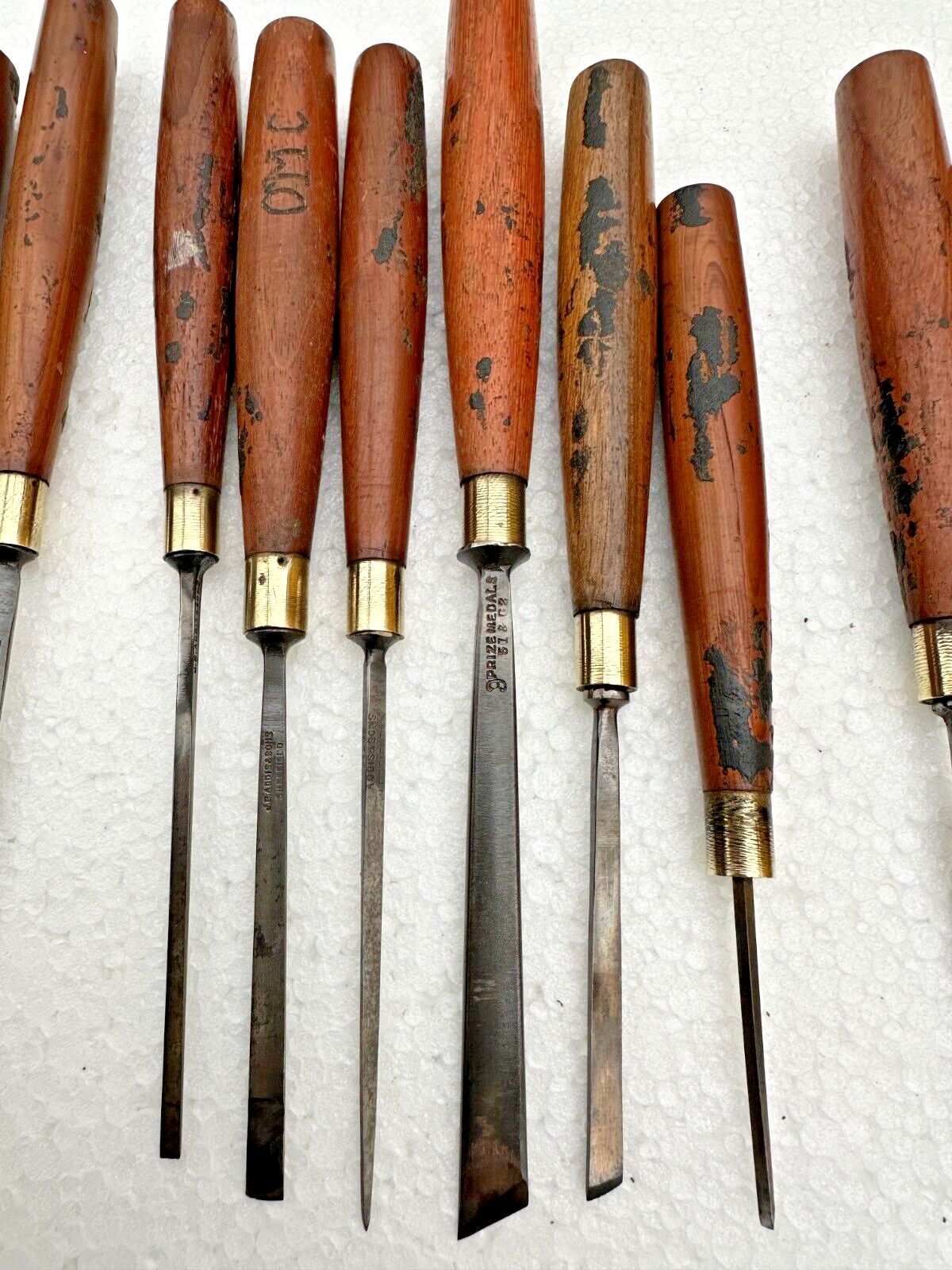
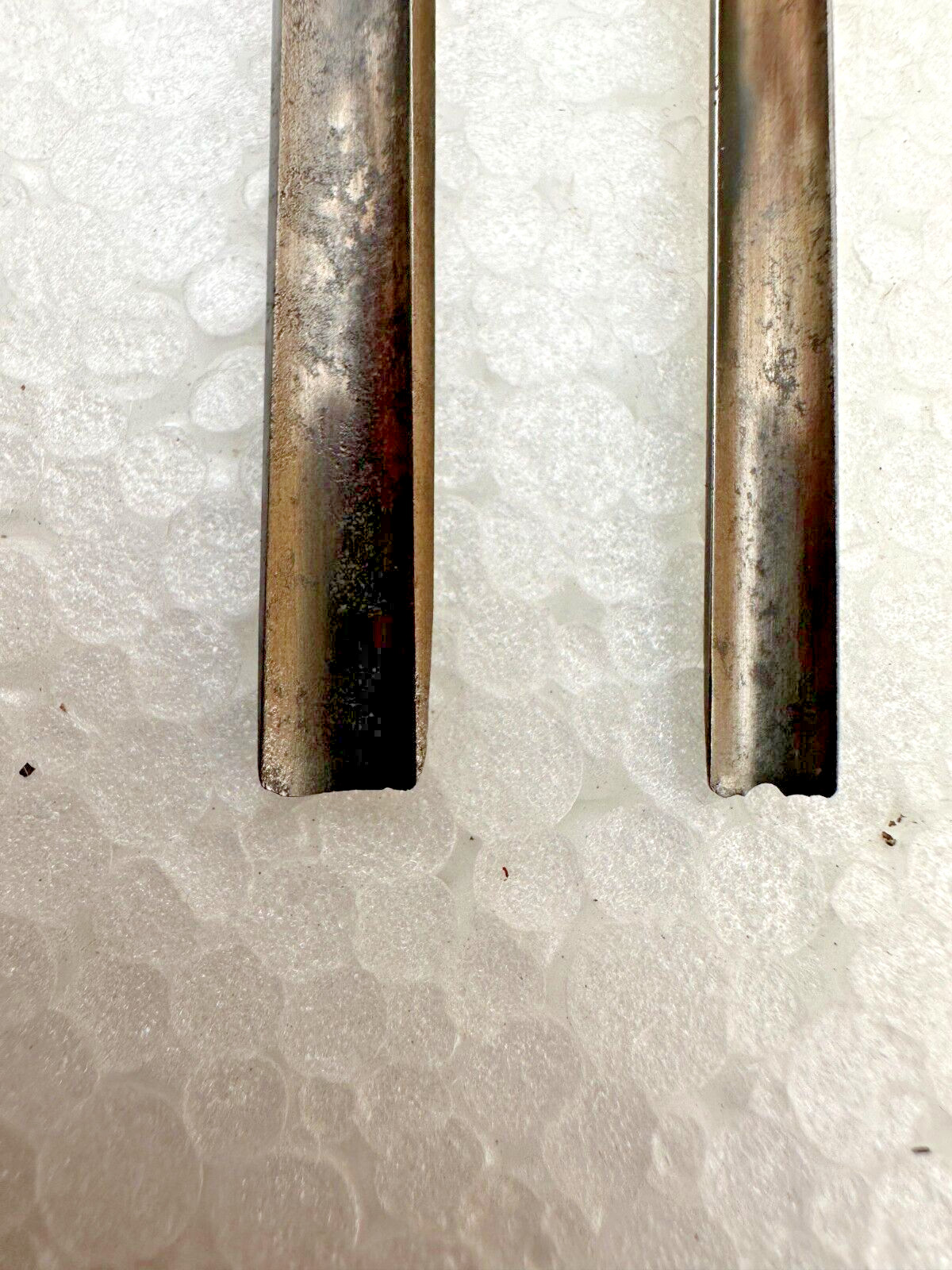
Vintage set of 14 carving gouges chisels old tools by J B Addis & Sons
(original price: 182.70 GBP)
(1086) 100.00% positive
Learn More Still curious? Click here to see more S. J. Addis Carving Tools.
The S. J. Addis Fish Tail, Long Pod, and Dog Leg Specialized Chisels
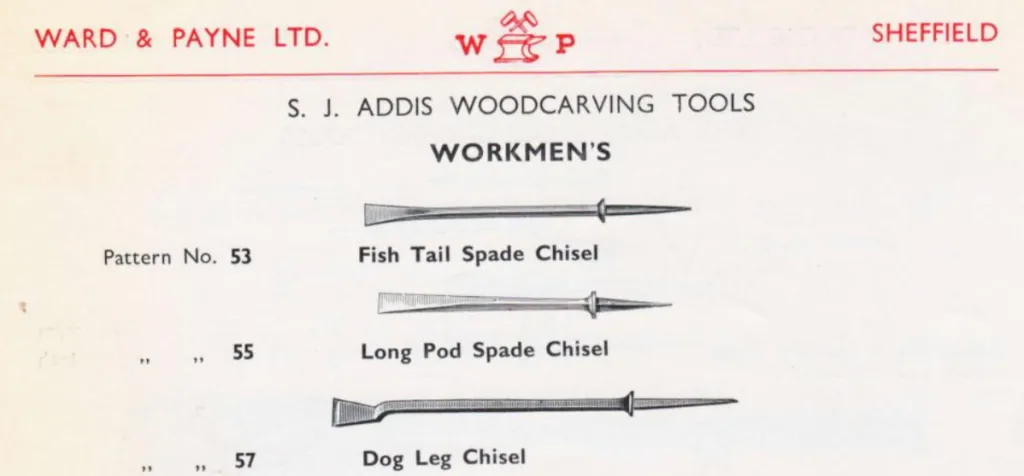
Source: Catalogue of S. J. Addis Wood Carving Tools : Revised 1961 Editionby Ward & Payne Ltd. Internet Archive.
This section of the 1961 S. J. Addis catalog highlights specialized "Workmen's" tools designed for specific architectural and relief carving tasks. Patterns No. 53 and 55 are "Spade Chisels," characterized by blades that flare outwards towards the cutting edge, much like a garden spade. This flared design allowed a carver to clear flat backgrounds rapidly and cleanly, with the "Fish Tail" offering a wider sweep than the elongated "Long Pod." Perhaps the most interesting tool here is the Pattern No. 57 "Dog Leg Chisel". Its distinct offset shank served a practical purpose: lifting the carver’s handle-holding hand above the workpiece surface, enabling them to smooth flat, recessed areas without their knuckles dragging against the surrounding wood.


S.J. Addis W&P Wood Carving Gouge Chisel #11 Sweep 1/16" Cut 8.25" Long
(11659) 100.00% positive
Learn More Still curious? Click here to see more S. J. Addis Wood Carving Gouges.
The Genuine London Set: An Early S. J. Addis Collection
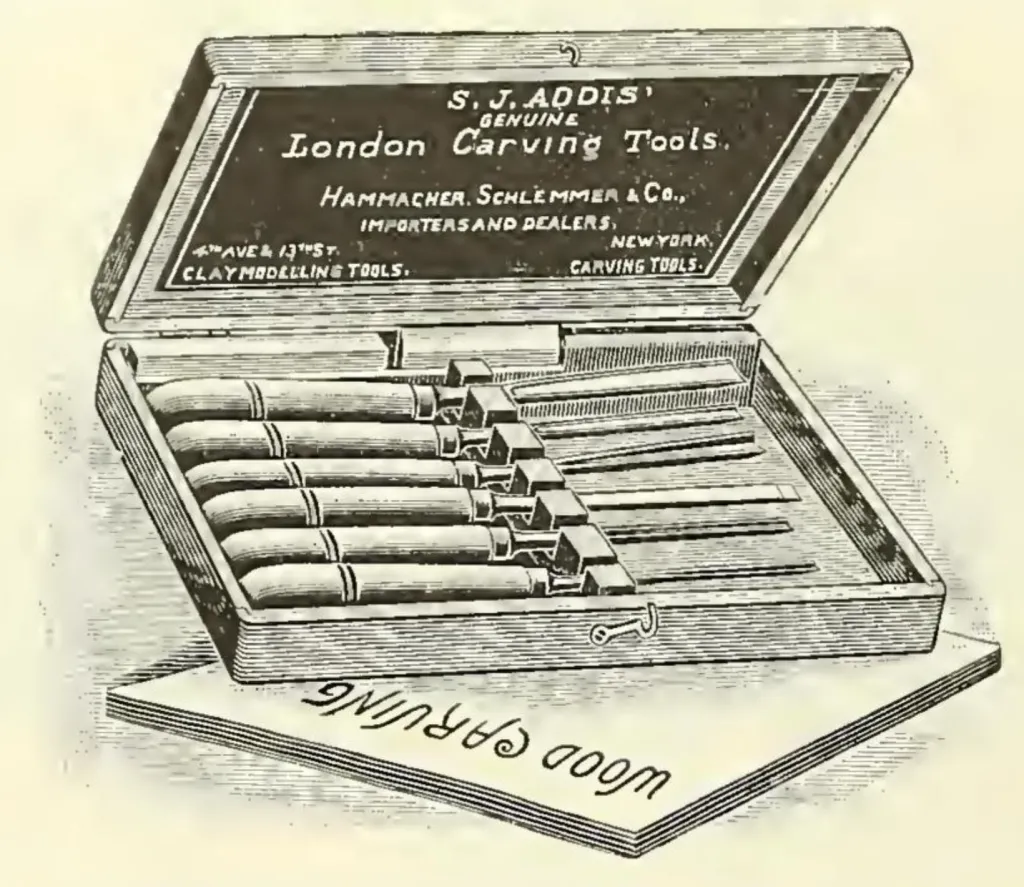
Source: Catalogue of S. J. Addis Wood Carving Tools : Revised 1961 Editionby Ward & Payne Ltd. Internet Archive.
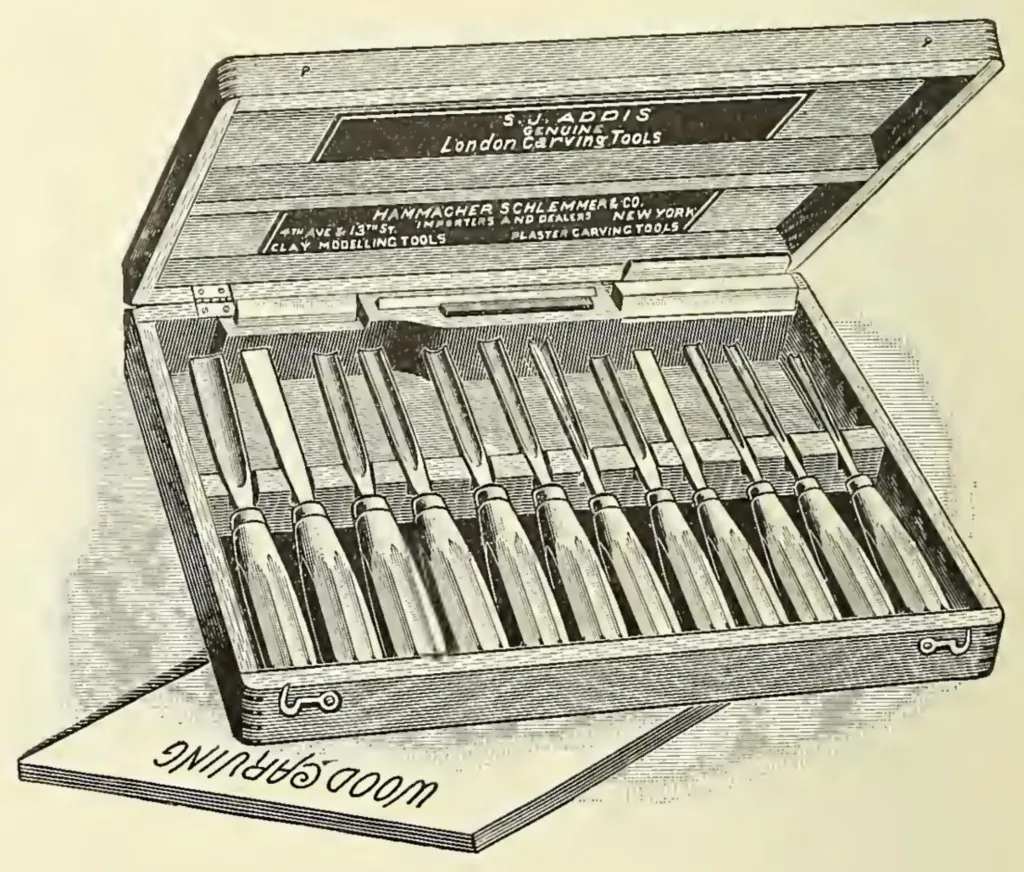
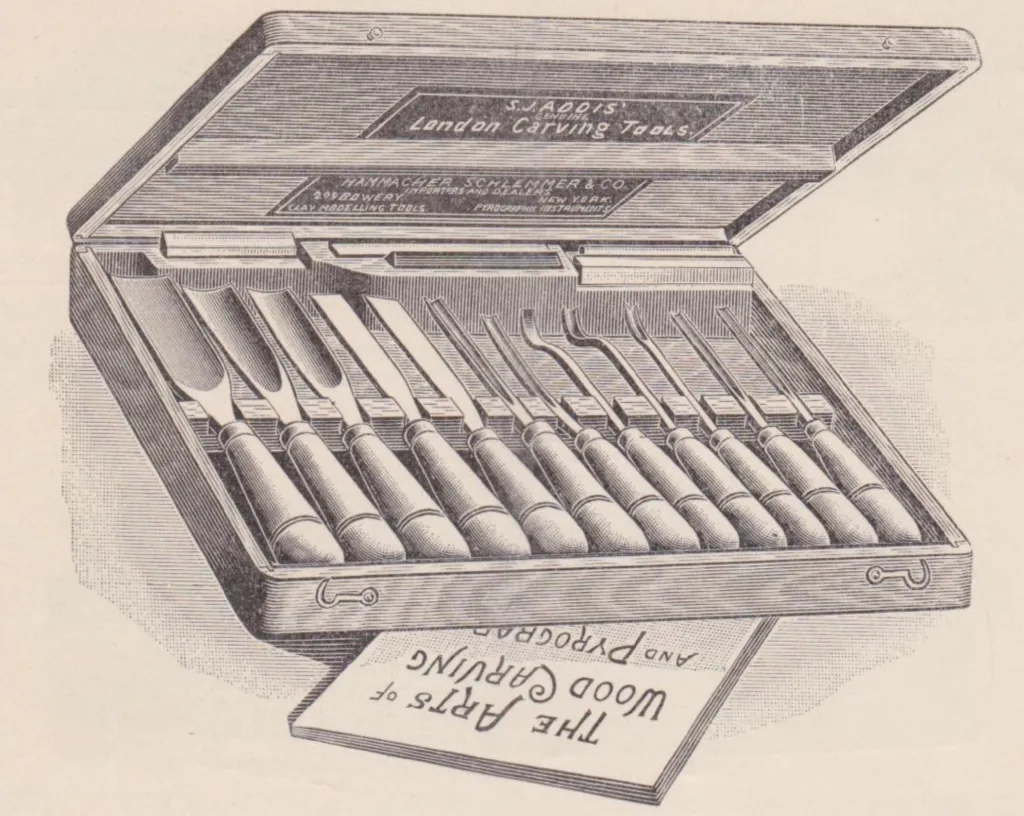
This engraving offers a fascinating counterpoint to the later catalog pages, capturing an earlier era of the S. J. Addis legacy by emphasizing the "Genuine London" designation. Before production became synonymous with Sheffield, the London stamp was considered the ultimate mark of quality for carving tools. Furthermore, the prominent branding of "Hammacher, Schlemmer & Co., New York" on the lid interior indicates the brand's significant export market to the United States. Hammacher Schlemmer was a premier hardware dealer known for supplying only the finest imported tools to American craftsmen. The neat presentation of six tools in a fitted box suggests this set was likely marketed towards the wealthy hobbyist or "gentleman carver," in addition to the professional tradesman.

Vintage Set of 3 Carving tools by Addis
(1656) 100.00% positive
The S. J. Addis Tool Chart
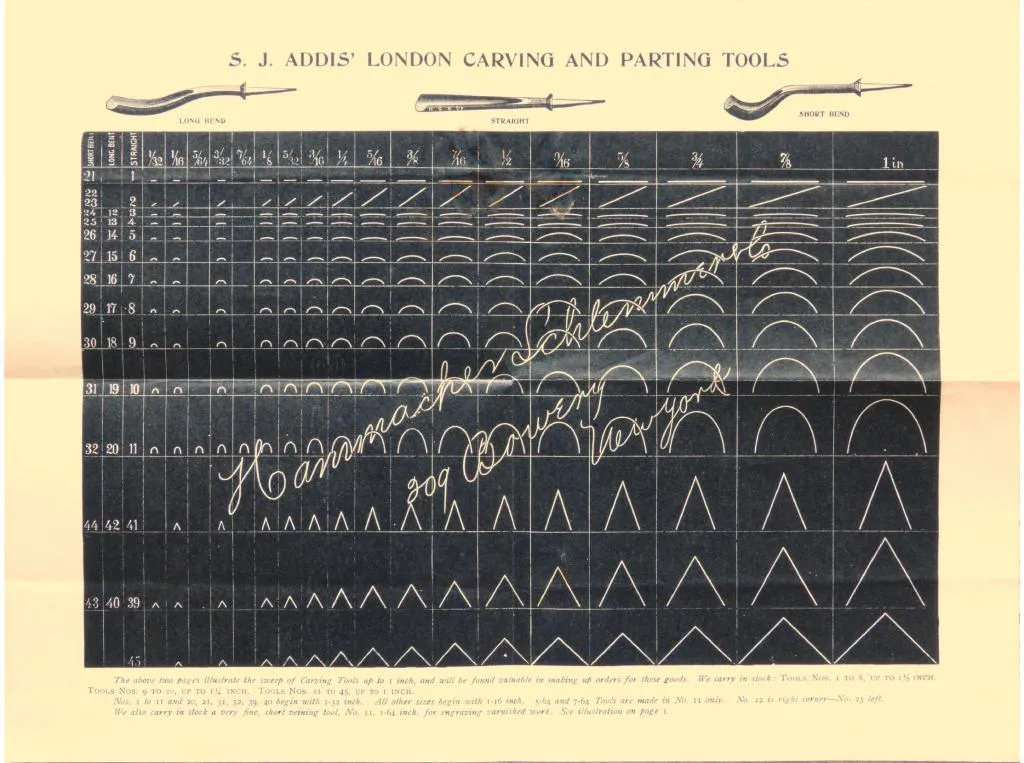
Source: Hammacher Schlemmer Catalogue 500. Internet Archive.
For a carver, selecting the right tool is a matter of geometry, and this chart from the Hammacher Schlemmer Catalogue 500 serves as the definitive visual dictionary for the S. J. Addis line. The vertical columns indicate the width of the tool in inches (ranging from a delicate $1/32$ to a robust $1$ inch), while the rows correspond to the "sweep"—the degree of curvature of the blade. Patterns 21 through 32 represent gouges that progress from almost flat to deep, U-shaped semi-circles. At the bottom, patterns 39 through 45 illustrate "parting tools" or V-tools, essential for outlining and detail work. This standardized numbering system allowed a craftsman in New York to order a very specific "Pattern No. 28, 1/2 inch" and know exactly the radius of the cut it would produce, ensuring consistency in architectural and furniture carving across the globe.


19 Vintage wood carving gouges including Addis & Marples & Hints & Wood Box
(988) 99.60% positive
While the companies that forged these legendary blades have long since vanished, the "Genuine Addis" steel remains a staple in the kits of modern master carvers, serving as a testament to a standard of excellence that defined the golden age of edge-tool manufacturing.
Share this article