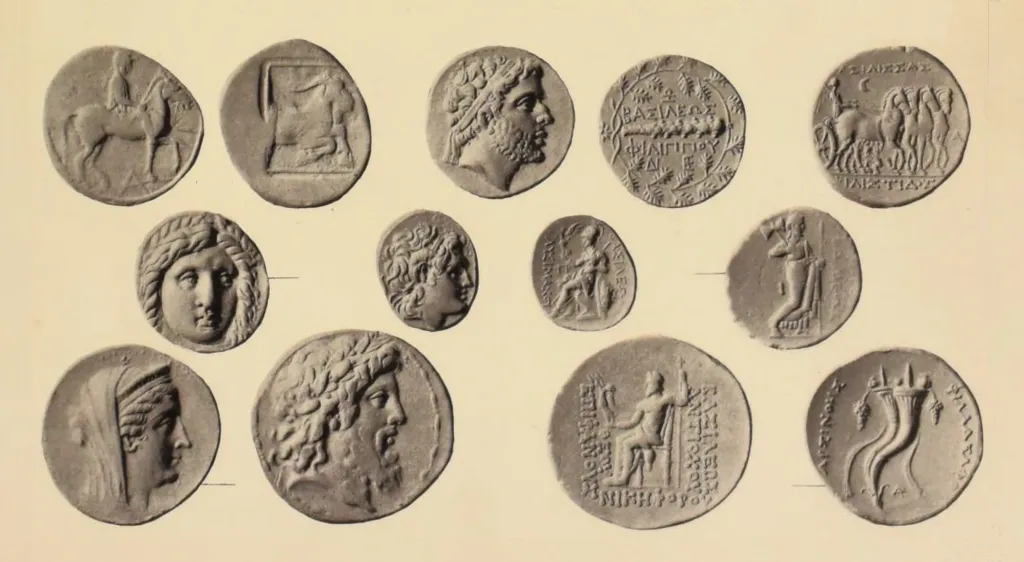
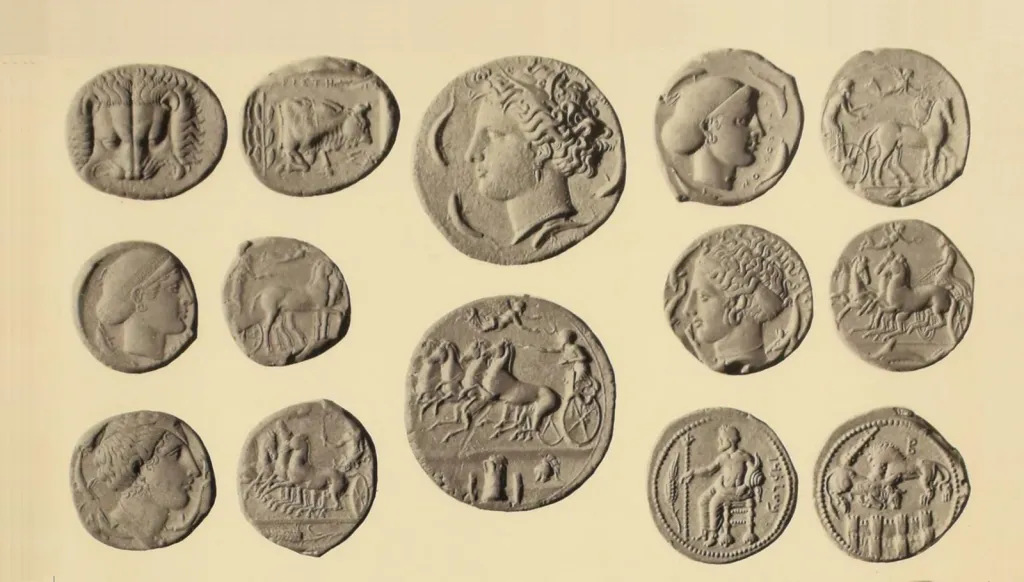
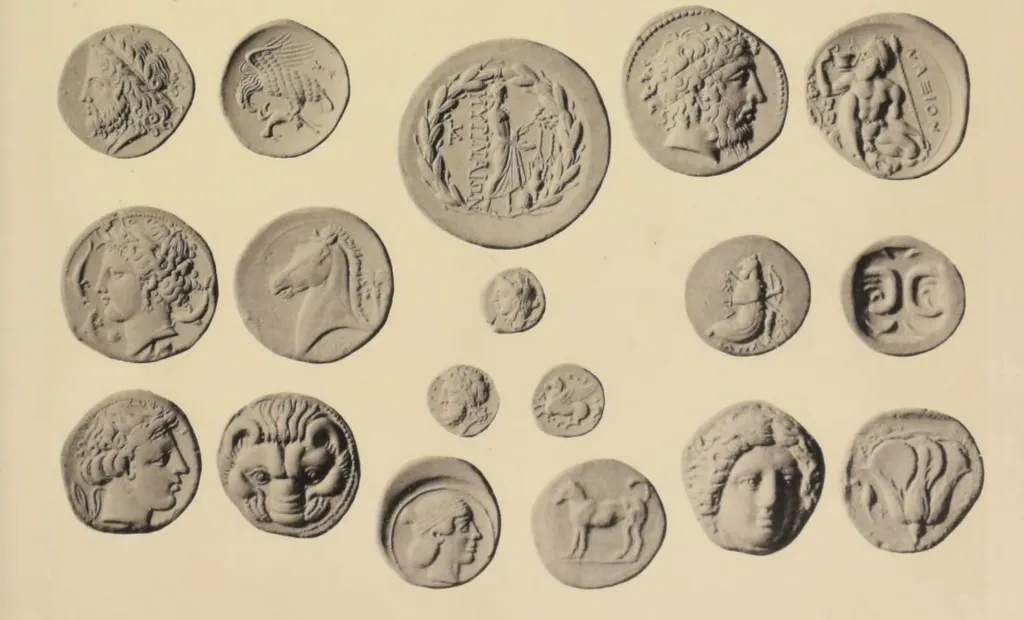
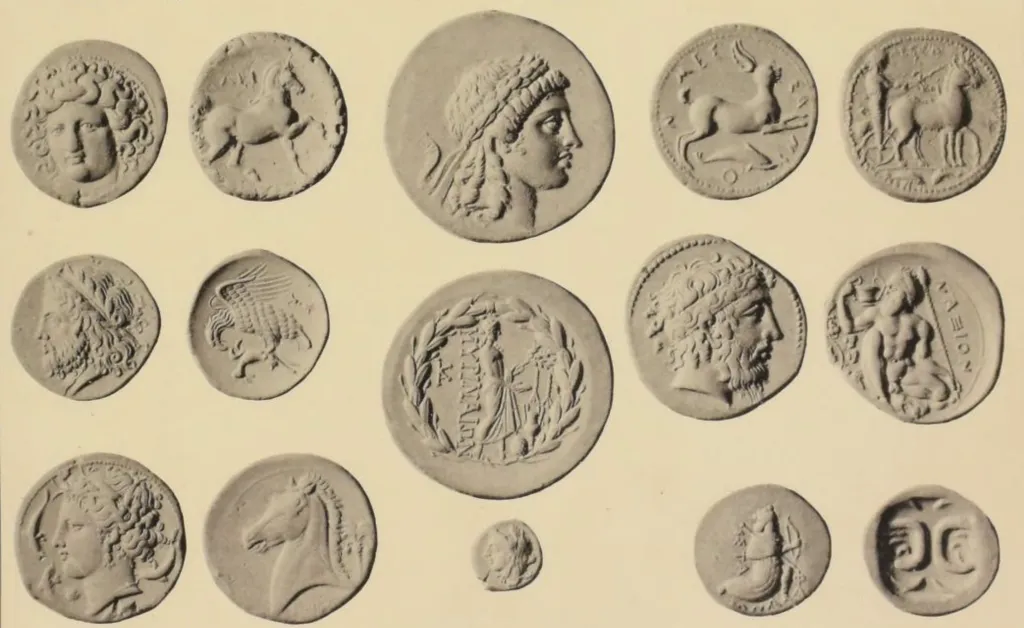
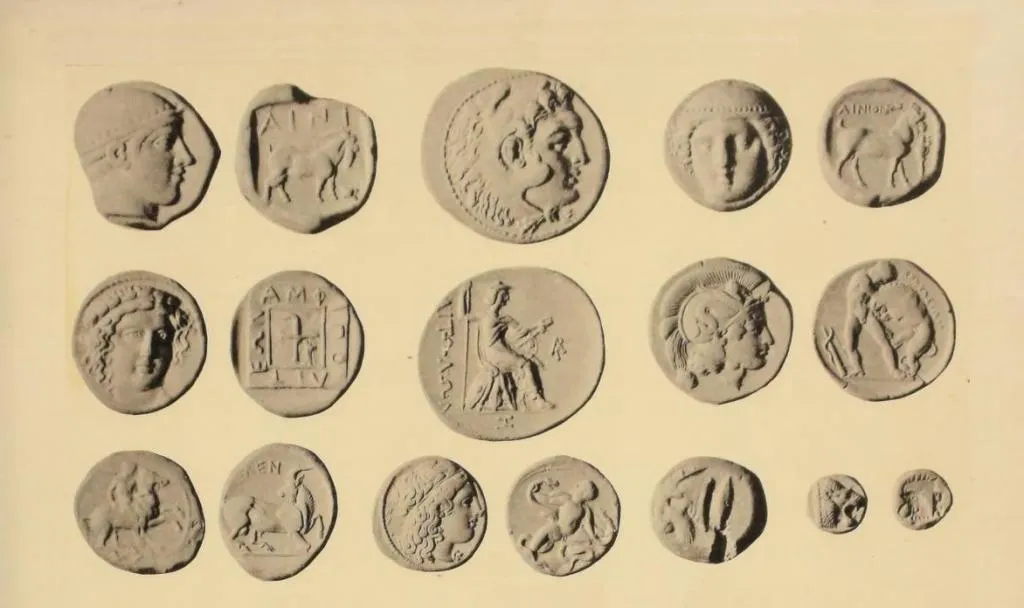
Ancient greek coins of Ptolemy I, Philip II, Hiero II, Alexander the Great
Explore six remarkable ancient Greek coins in gold and electrum, from Syracuse and Macedonia to Thrace and Ptolemaic Egypt.
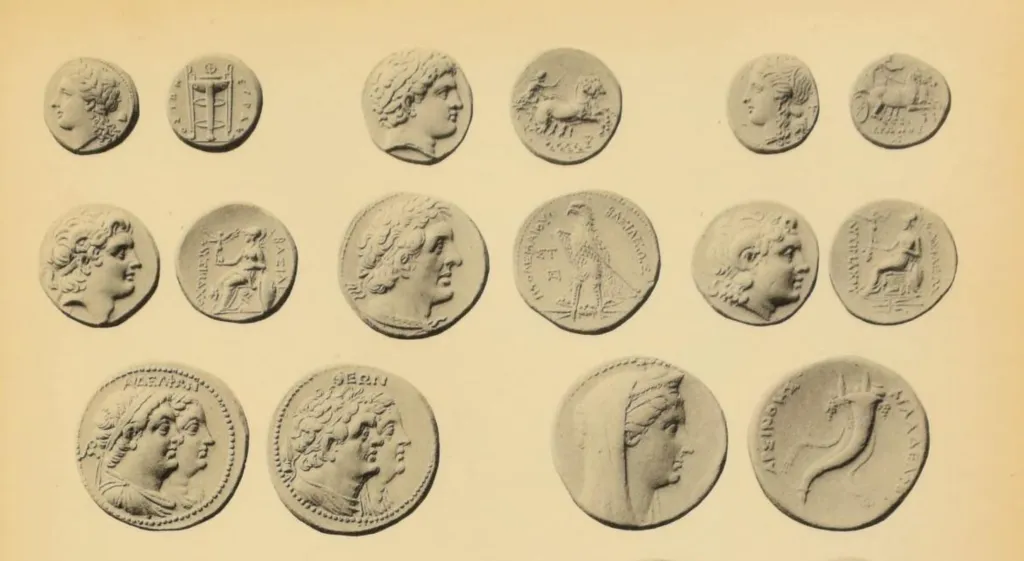
Source: Sotheby, Wilkinson & Hodge, The Charles Butler Collections: Coins and Medals of Charles Butler, London, 3 July 1911. Internet Archive.
This article presents selected ancient Greek coins linked to Timoleon, Hiero II, Philip II, Lysimachus, Alexander the Great, and Ptolemy I. Each coin is explained through its obverse and reverse designs, inscriptions, symbols, weight, date, and historical meaning.
Table of Contents
Syracuse, Sicily: Greek Electrum Hemistater Coin with Apollo and Tripod LebesSyracuse, Sicily: Greek Gold 60-Litrai Coin with Persephone and BigaPella, Macedonia: Greek Gold Stater Coin of Philip II with Apollo and BigaByzantion, Thrace: Greek Gold Stater Coin with Alexander the Great and Athena NikephorosLysimacheia, Thrace: Greek Gold Stater Coin with Alexander the Great and Athena NikephorosAlexandria, Egypt: Greek Gold Pentadrachm Coin with Ptolemy I Soter and EagleSyracuse, Sicily: Greek Electrum Hemistater Coin with Apollo and Tripod Lebes
Source: Sotheby, Wilkinson & Hodge, The Charles Butler Collections: Coins and Medals of Charles Butler, London, 3 July 1911. Internet Archive.
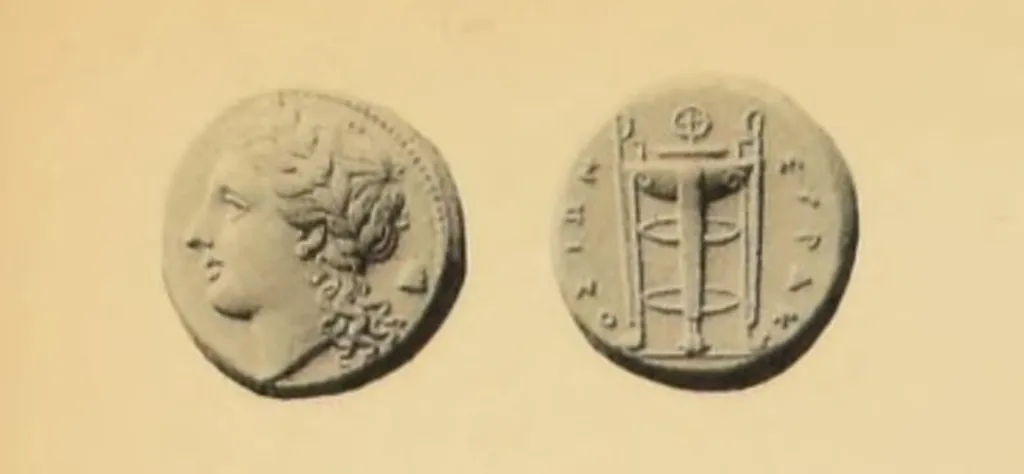
Syracuse, Sicily — electrum hemistaterc coin. The obverse shows the laureate head of Apollo facing left, with an omphalos behind the neck. The reverse carries a tripod lebes. The inscription reads ΣΥΡΑΚΟΣΙΩΝ. In the field appears the omphalos symbol associated with Apollo’s Delphic cult. In modern terms, this indicates a Syracusan civic issue in electrum, traditionally understood as a 50-litrai hemistater.
- Year: Minted circa 344–317 BC.
- Diameter: Known examples of this type measure about 16 mm.
- Weight: Recorded weight of this example: approx. 3.47 g / 0.12 oz.
Learn More Still curious? Click here to see Ancient Greek Silver AR Stater Coins.

Syracuse, Sicily: Greek Gold 60-Litrai Coin with Persephone and Biga
Source: Sotheby, Wilkinson & Hodge, The Charles Butler Collections: Coins and Medals of Charles Butler, London, 3 July 1911. Internet Archive.
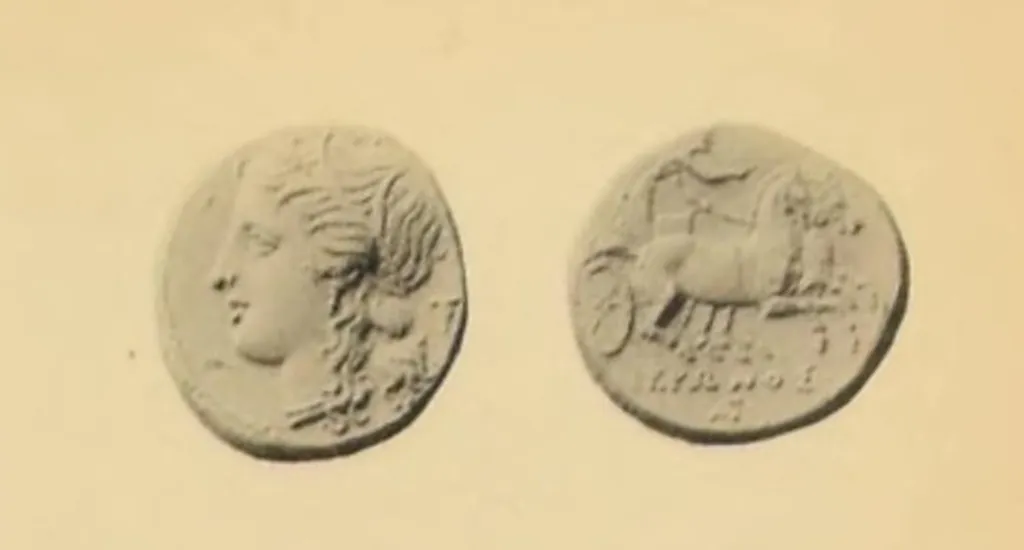
Syracuse, Sicily — gold 60-litrai coin. The obverse shows the head of Persephone facing left, wearing an earring and necklace, with a corn fillet around her hair and a bucranium behind the neck. The reverse carries a biga moving right, driven by a female charioteer. The inscription reads ΙΕΡΩΝΟΣ. In the lower field appears the ΑΓ monogram. In modern terms, this indicates a gold coin issued under Hiero II of Syracuse, using royal authority and traditional Sicilian imagery of fertility, grain, and victory.
- Year: Minted circa 275–215 BC.
- Diameter: Known examples of this type measure about 18–20 mm.
- Weight: Recorded weight of this example: 66 grains, approx. 4.28 g / 0.15 oz.

![[#1068921] Sicile, Agathocle, 25 litres, 317-289 av. J.-C., Syracuse, or, EF (40-45),](https://i.ebayimg.com/images/g/5b4AAeSwKEtqJClu/s-l1600.jpg)
![[#1068921] Sicile, Agathocle, 25 litres, 317-289 av. J.-C., Syracuse, or, EF (40-45),](https://i.ebayimg.com/images/g/488AAeSwRutqJClu/s-l1600.jpg)
[#1068921] Sicile, Agathocle, 25 litres, 317-289 av. J.-C., Syracuse, or, EF (40-45),
(original price: 4,657.38 EUR)
(34392) 99.70% positive
Learn More Still curious? Click here to see Ancient Greek Silver Tetradrachm Coins.
Pella, Macedonia: Greek Gold Stater Coin of Philip II with Apollo and Biga
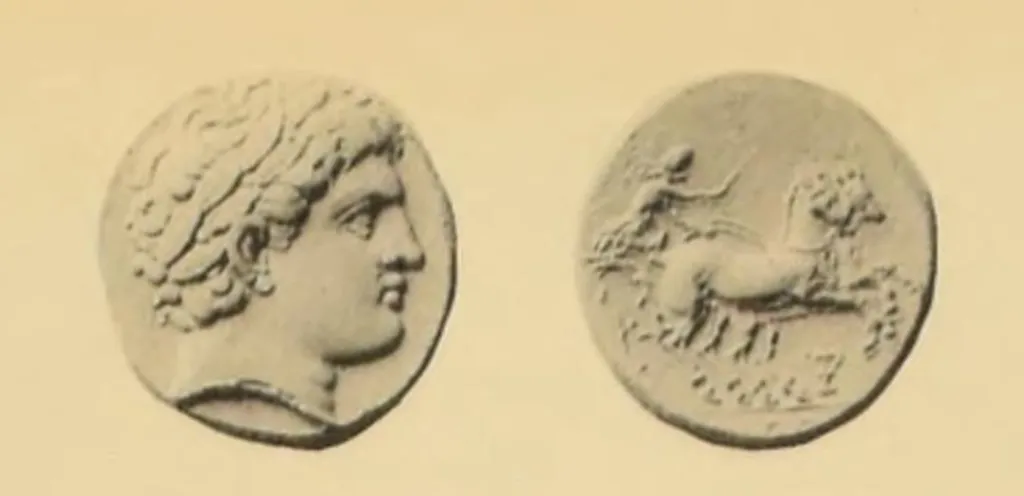
Source: Sotheby, Wilkinson & Hodge, The Charles Butler Collections: Coins and Medals of Charles Butler, London, 3 July 1911. Internet Archive.
Pella, Macedonia — gold stater coin. The obverse shows the laureate head of Apollo facing right. The reverse carries a charioteer driving a biga to the right. The inscription reads ΦΙΛΙΠΠΟΥ. In the field appears a cantharus beneath the horses. In modern terms, this indicates a Macedonian royal gold stater coin of Philip II, using Apollo and the racing chariot as images of dynastic authority, prestige, and victory.
- Year: Minted circa 323/322–315 BC.
- Diameter: Known examples of this type measure about 17–19 mm.
- Weight: Recorded weight of this example: 130.5 grains, approx. 8.46 g / 0.30 oz.


Monnaie, Royaume de Macedoine, Alexandre III – Philippe III, 1/4 Statère
(original price: 8,789.00 EUR)
(82014) 99.70% positive
Learn More Still curious? Click here to see Silver AR Tetradrachm Coins (Part 2).

Byzantion, Thrace: Greek Gold Stater Coin with Alexander the Great and Athena Nikephoros
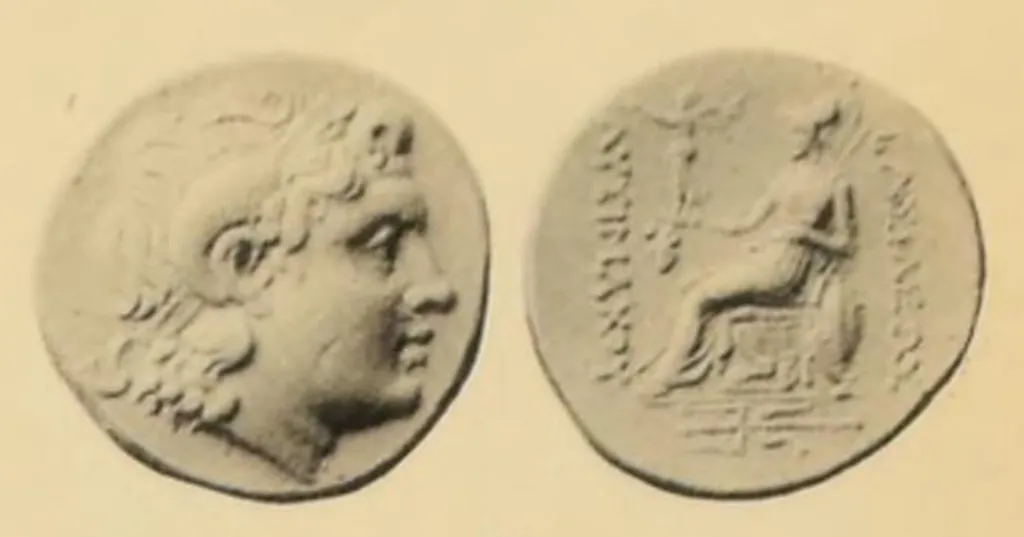
Source: Sotheby, Wilkinson & Hodge, The Charles Butler Collections: Coins and Medals of Charles Butler, London, 3 July 1911. Internet Archive.
Byzantion, Thrace — gold stater coin. The obverse shows the deified head of Alexander the Great facing right, wearing a diadem and the horn of Zeus Ammon. The reverse carries Athena Nikephoros seated left, holding Nike, with shield and spear. The inscription reads ΒΑΣΙΛΕΩΣ ΛΥΣΙΜΑΧΟΥ. In the field appears the BYΩ monogram below Nike, with BY on the throne and a trident in the exergue. In modern terms, this indicates a gold stater struck at Byzantion in the name and types of Lysimachus, with the BY mark identifying the mint.
- Year: Minted circa 150–120 BC for this Byzantion stater type.
- Diameter: Known examples of this type measure about 19–20 mm.
- Weight: Recorded weight of this example: 131 grains, approx. 8.49 g / 0.30 oz.

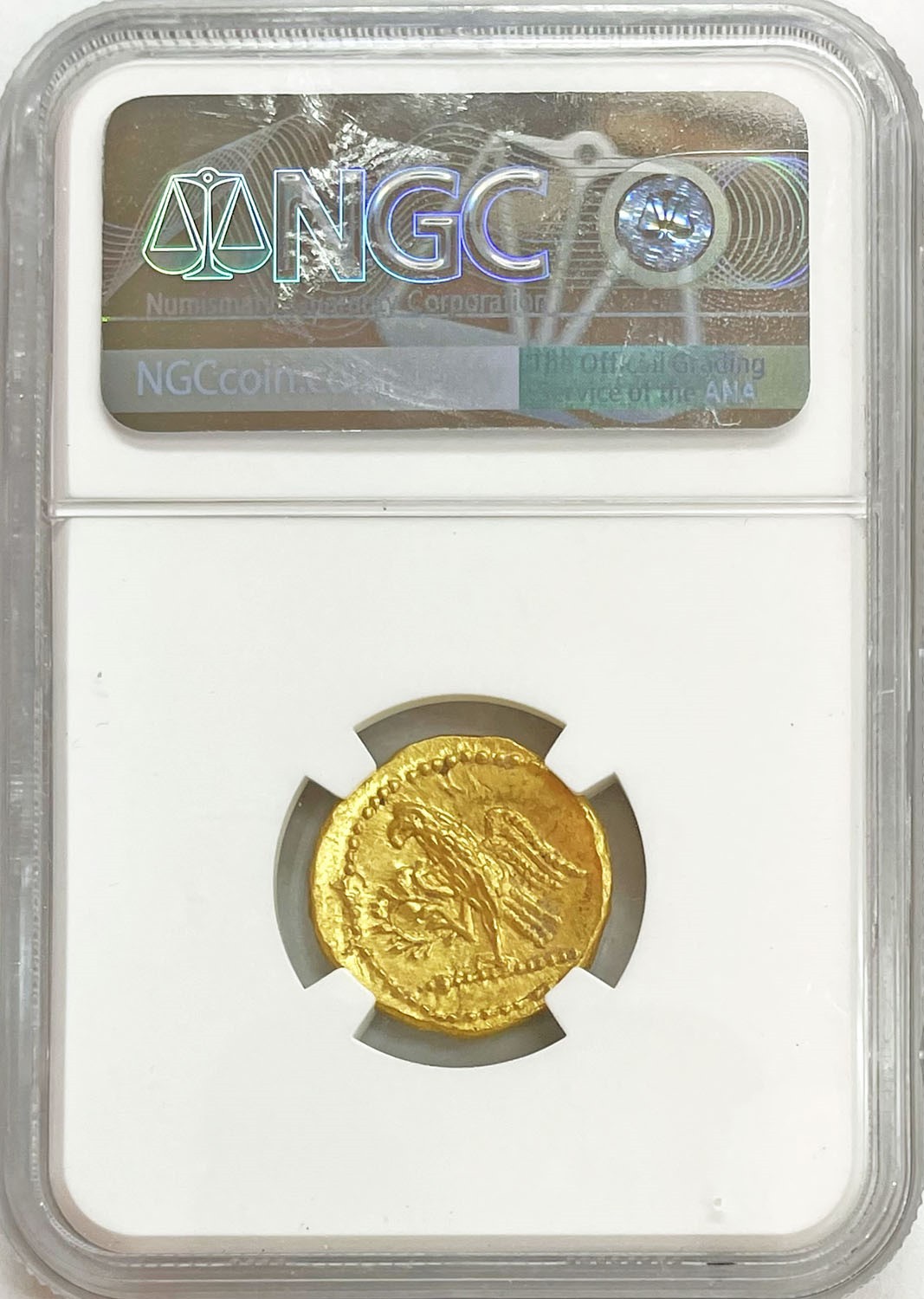
54 BC. GOLD ANCIENT THRACIAN / SCYTHIAN STATER COSON COIN NGC MINT STATE 5/2
(50944) 100.00% positive
Learn More Still curious? Click here to see AR Tetradrachm Coins (Part 3).

Lysimacheia, Thrace: Greek Gold Stater Coin with Alexander the Great and Athena Nikephoros
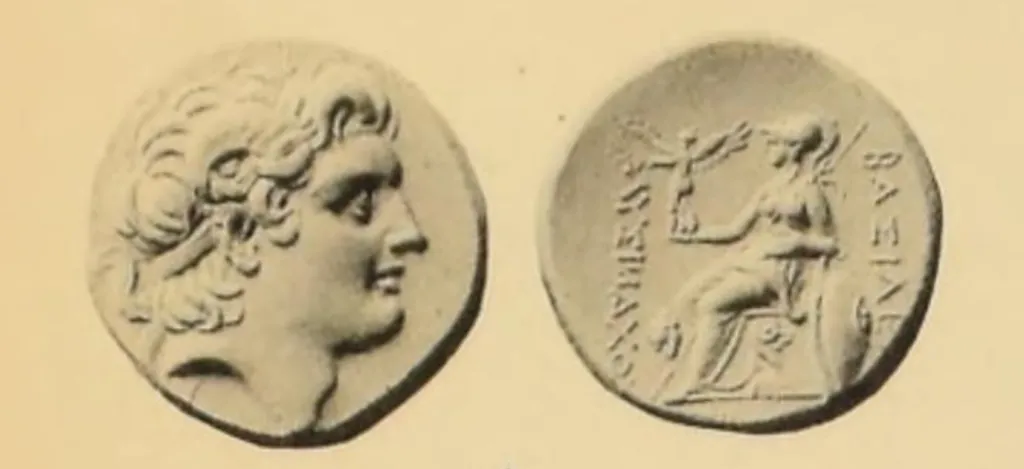
Source: Sotheby, Wilkinson & Hodge, The Charles Butler Collections: Coins and Medals of Charles Butler, London, 3 July 1911. Internet Archive.
Lysimacheia, Thrace — gold stater coin. The obverse shows the deified head of Alexander the Great facing right, with diadem and horn of Zeus Ammon. The reverse carries Athena Nikephoros seated left, holding Nike. The inscription reads ΒΑΣΙΛΕΩΣ ΛΥΣΙΜΑΧΟΥ. In the field appears a lion’s head facing left. In modern terms, this indicates a royal gold stater issued in the name of Lysimachus, using Alexander’s divine portrait and Athena with Victory to express kingship, legitimacy, and military success.
- Year: Minted circa 297–281 BC.
- Diameter: Known examples of this type measure about 18–20 mm.
- Weight: Recorded weight of this example: 132 grains, approx. 8.55 g / 0.30 oz.

Antike / Thrakien/ Stadt Olbia Goldstater 43-42 v.Chr. Koson vz-prfr. 109757
(original price: 1,950.00 EUR)
(16747) 99.80% positive
Learn More Still curious? Click here to see Silver AR Didrachm Coins.
Alexandria, Egypt: Greek Gold Pentadrachm Coin with Ptolemy I Soter and Eagle
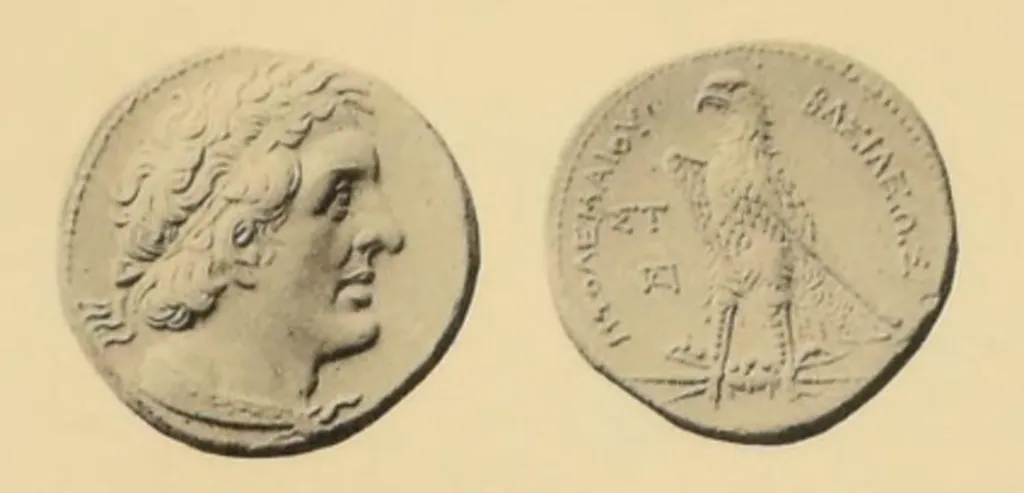
Source: Sotheby, Wilkinson & Hodge, The Charles Butler Collections: Coins and Medals of Charles Butler, London, 3 July 1911. Internet Archive.
Alexandria, Egypt — gold pentadrachm. The obverse shows the diademed head of Ptolemy I Soter facing right. The reverse carries an eagle standing left on a thunderbolt. The inscription reads ΒΑΣΙΛΕΩΣ ΠΤΟΛΕΜΑΙΟΥ. In the field appears ΣΤ and the ΑΠ monogram. In modern terms, this indicates a large Ptolemaic royal gold issue, a pentadrachm or trichryson, using the eagle of Zeus as a dynastic emblem of the Ptolemaic kingdom.
- Year: Minted circa 305–285 BC.
- Diameter: Known examples of this type measure about 23 mm.
- Weight: Recorded weight of this example: 274.5 grains, approx. 17.79 g / 0.63 oz.


Egypte, Ptolémée II Philadelphos, 1/2 manieion, 282-272 av. J.-C., Alexandrie, Or, SS
(original price: 7,700.00 EUR)
(82821) 99.70% positive
Share this article