Ancient Greek Silver AR Tetradrachm Coins Part 3
From Macedonia to Sicily and Syria, this third installment explores remarkable Greek silver AR tetradrachms through their imagery, legends, and historical setting.
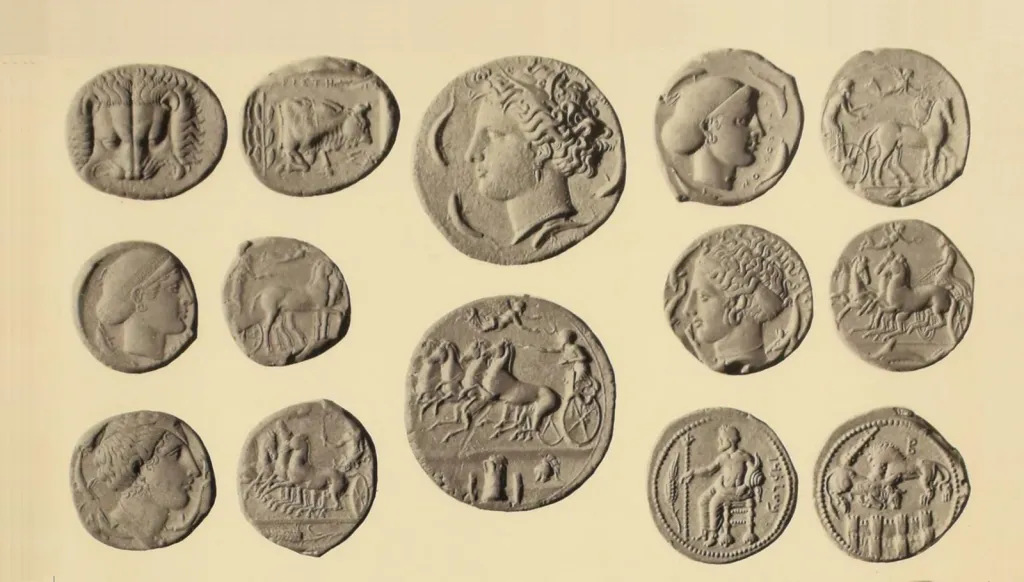
Source: Sotheby, Wilkinson & Hodge, The Important Collection of Coins and Medals of Wm. Rome, London, 24 February 1904. Internet Archive.
This article offers a clear survey of ancient Greek silver AR tetradrachms, guiding readers through their mints, iconography, inscriptions, and the historical meaning behind each issue.
Table of Contents
Halikarnassos, Caria: Greek Silver AR Tetradrachm with facing Apollo and Zeus StratiosUncertain Mint, Macedonia: Greek Silver AR Tetradrachm with horseman and goat forepartAntioch on the Orontes, Syria: Greek Silver AR Tetradrachm with laureate head of Zeus and Zeus NikephorosRhegion, Bruttium: Greek Silver AR Tetradrachm with facing lion head and seated figureLeontinoi, Sicily: Greek Silver AR Tetradrachm with laureate Apollo and lion headNaxos, Sicily: Greek Silver AR Tetradrachm with bearded Dionysos and seated SilenusHalikarnassos, Caria: Greek Silver AR Tetradrachm with facing Apollo and Zeus Stratios
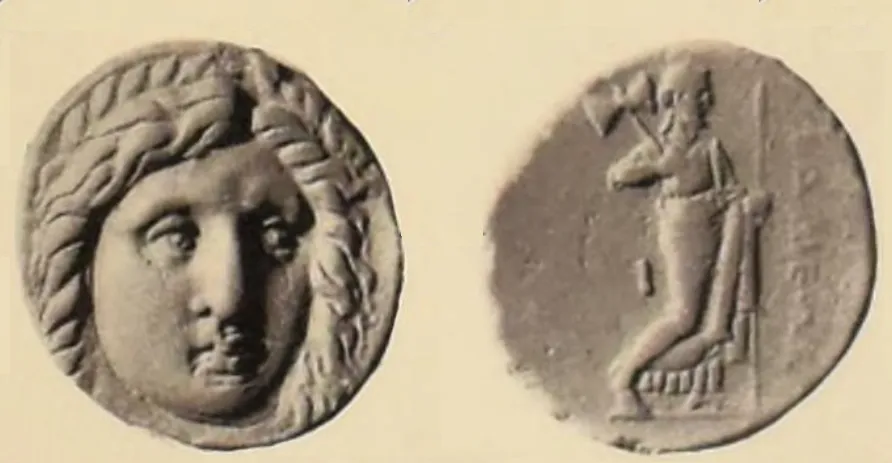
Source: Sotheby, Wilkinson & Hodge, The Important Collection of Coins and Medals of Wm. Rome, London, 24 February 1904. Internet Archive.
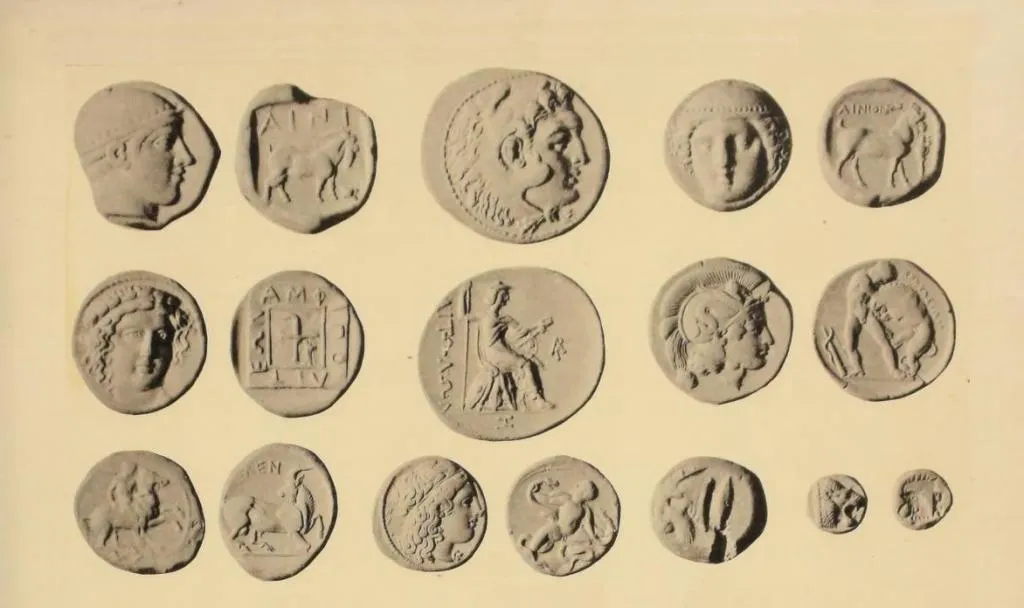
Halikarnassos, Caria — AR tetradrachm. The obverse shows the laureate head of Apollo facing slightly to the right. The reverse carries Zeus Stratios standing to the right. The inscription reads ΙΔΡΙΕΩΣ. In the field appears the letter I behind the figure. The type is described as very fine and very rare. In modern terms, this indicates a scarce silver issue of Hidrieos from Caria, usually assigned to Halikarnassos and dated to the mid-4th century BC.
- Year — Minted circa 351/0–344/3 BC.
- Diameter — Known examples of this type measure roughly 22–26 mm.
- Weight — Recorded examples of this type weigh about 14.4–15.3 g / 0.51–0.54 oz.
How much is it worth?
A similar example, in excellent antique condition, sold on eBay (USA) for $2,341.75 in March 2026.

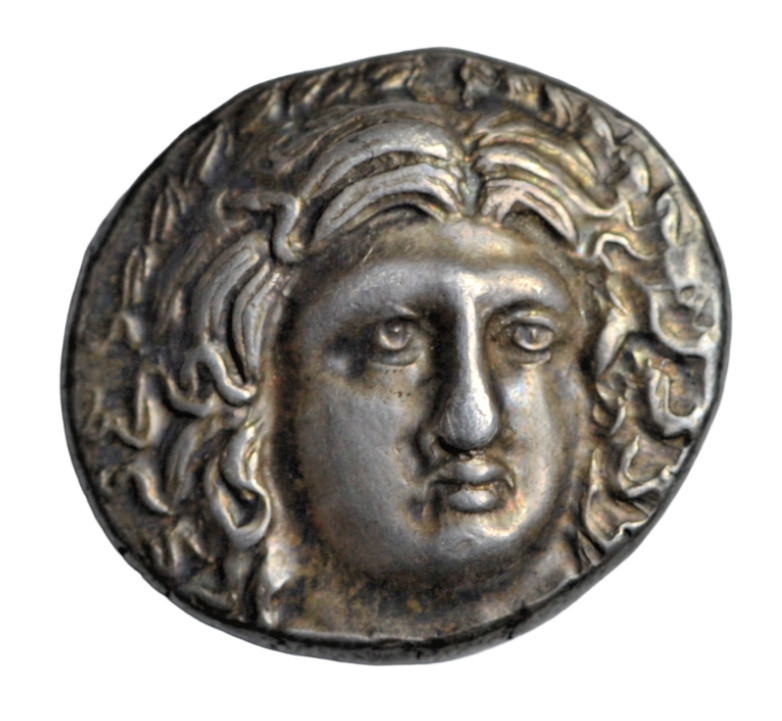

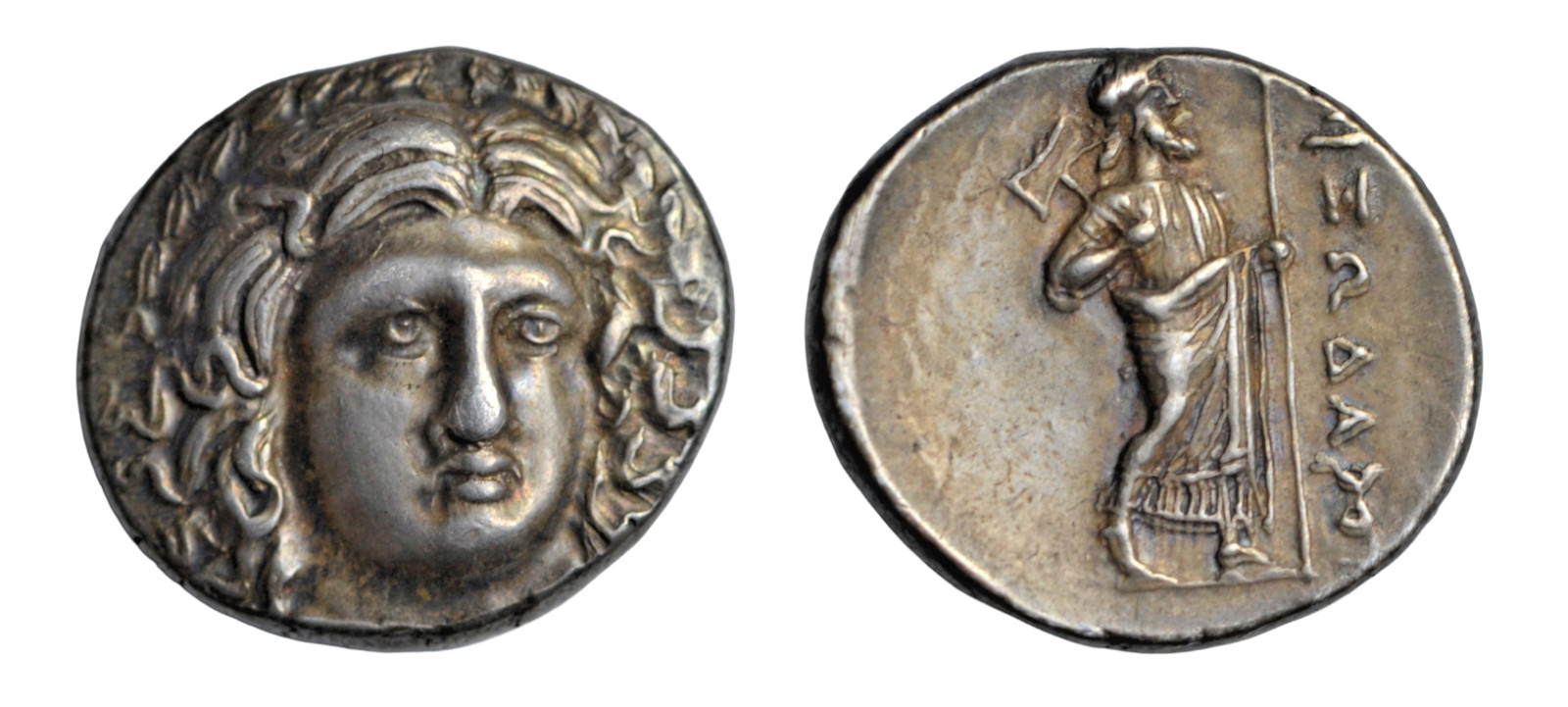
Satraps of Caria AR didrachm c. 340-334 BC Pixodaros, Apollo facing/Zeus
(original price: 5,936.56 EUR)
(4793) 100.00% positive
Learn More Still curious? Click here to see more Ancient Greek Silver AR Tetradrachm Coins.

Uncertain Mint, Macedonia: Greek Silver AR Tetradrachm with horseman and goat forepart
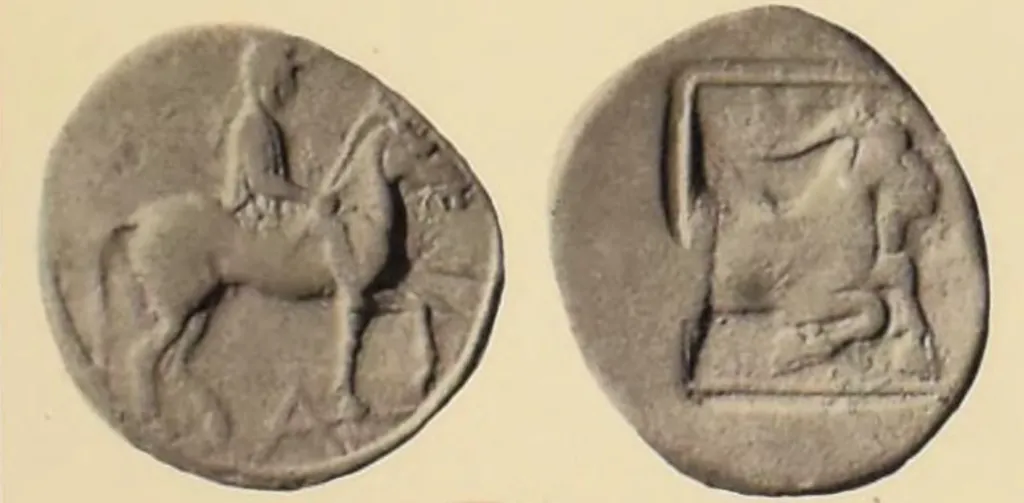
Source: Sotheby, Wilkinson & Hodge, The Important Collection of Coins and Medals of Wm. Rome, London, 24 February 1904. Internet Archive.
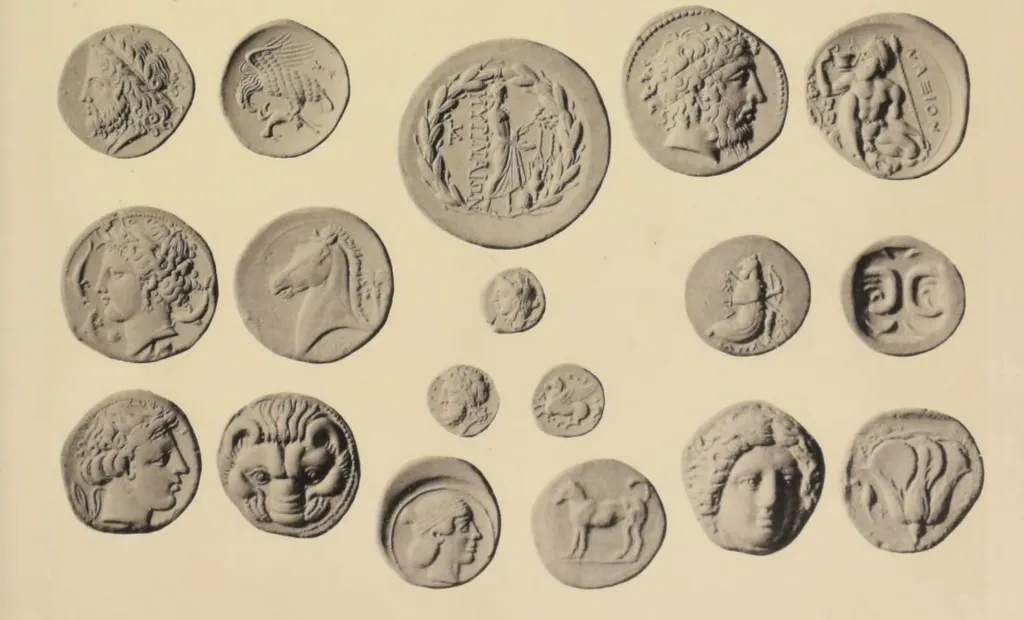
Uncertain mint, Macedonia — AR tetradrachm - Alexander I of Macedonia. The obverse shows a Macedonian horseman riding to the right, wearing a chlamys and carrying two spears. The reverse carries the forepart of a goat to the right within an incuse square. The inscription reads no legend. In the field appears a large A beneath the horse. The piece is described as fine and very rare, possibly unpublished. In modern terms, this suggests a well-preserved and unusually scarce issue that may not yet have been recorded in the standard references available at the time.
- Year — Minted circa 460–451 BC.
- Diameter — Known examples of this type measure about 26 mm.
- Weight — Recorded example of this type: 11.92 g / 0.42 oz.
Learn More Still curious? Click here to see more Ancient Greek Silver AR Tetradrachm Coins (Part 2).
Antioch on the Orontes, Syria: Greek Silver AR Tetradrachm with laureate head of Zeus and Zeus Nikephoros
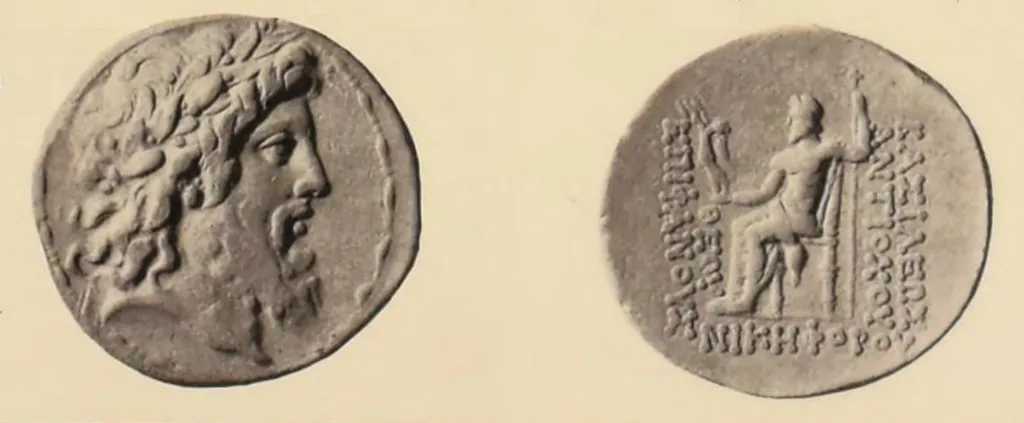
Source: Sotheby, Wilkinson & Hodge, The Important Collection of Coins and Medals of Wm. Rome, London, 24 February 1904. Internet Archive.
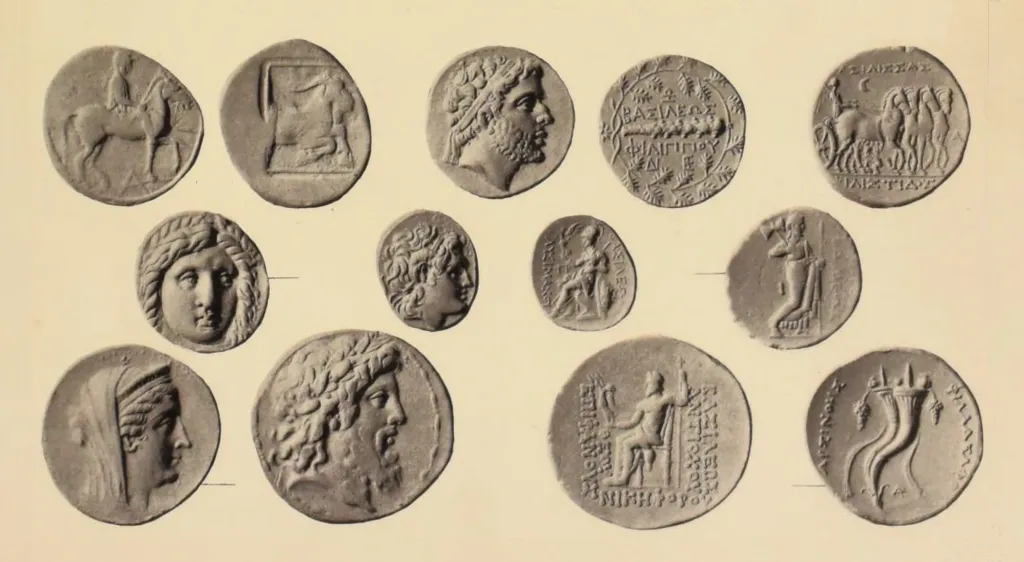
Antioch on the Orontes, Syria — AR tetradrachm. The obverse shows the bearded and laureate head of Zeus to the right. The reverse carries Zeus Nikephoros seated left on a throne, holding Nike in his extended right hand and a scepter in his left. The inscription reads ΒΑΣΙΛΕΩΣ ΑΝΤΙΟΧΟΥ ΘΕΟΥ ΕΠΙΦΑΝΟΥΣ ΝΙΚΗΦΟΡΟΥ. In the field appears no control mark. The catalog notes that the coin is very fine and extremely rare. In modern terms, this indicates a scarce Seleucid silver issue of Antiochos IV from Antioch, struck in the later part of his reign.
- Year — Minted circa 168–164 BC.
- Diameter — Known examples of this type measure about 30–33 mm.
- Weight — Standard weight of this type: approx. 16.5 g / 0.58 oz.
How much is it worth?
A smaller size example, in vary bad (worn) antique condition, sold on eBay (USA) for $90 in Feb 2026.
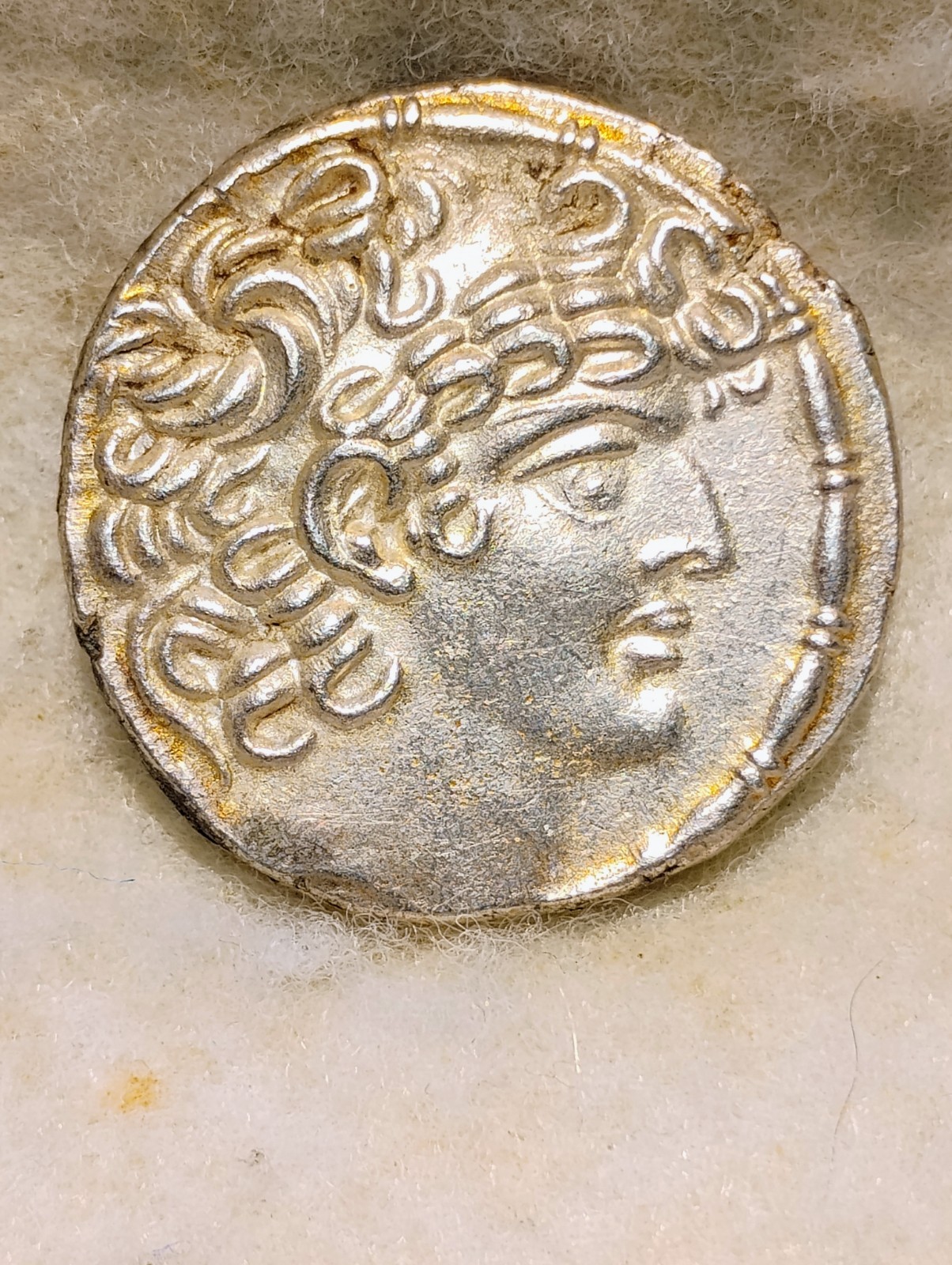
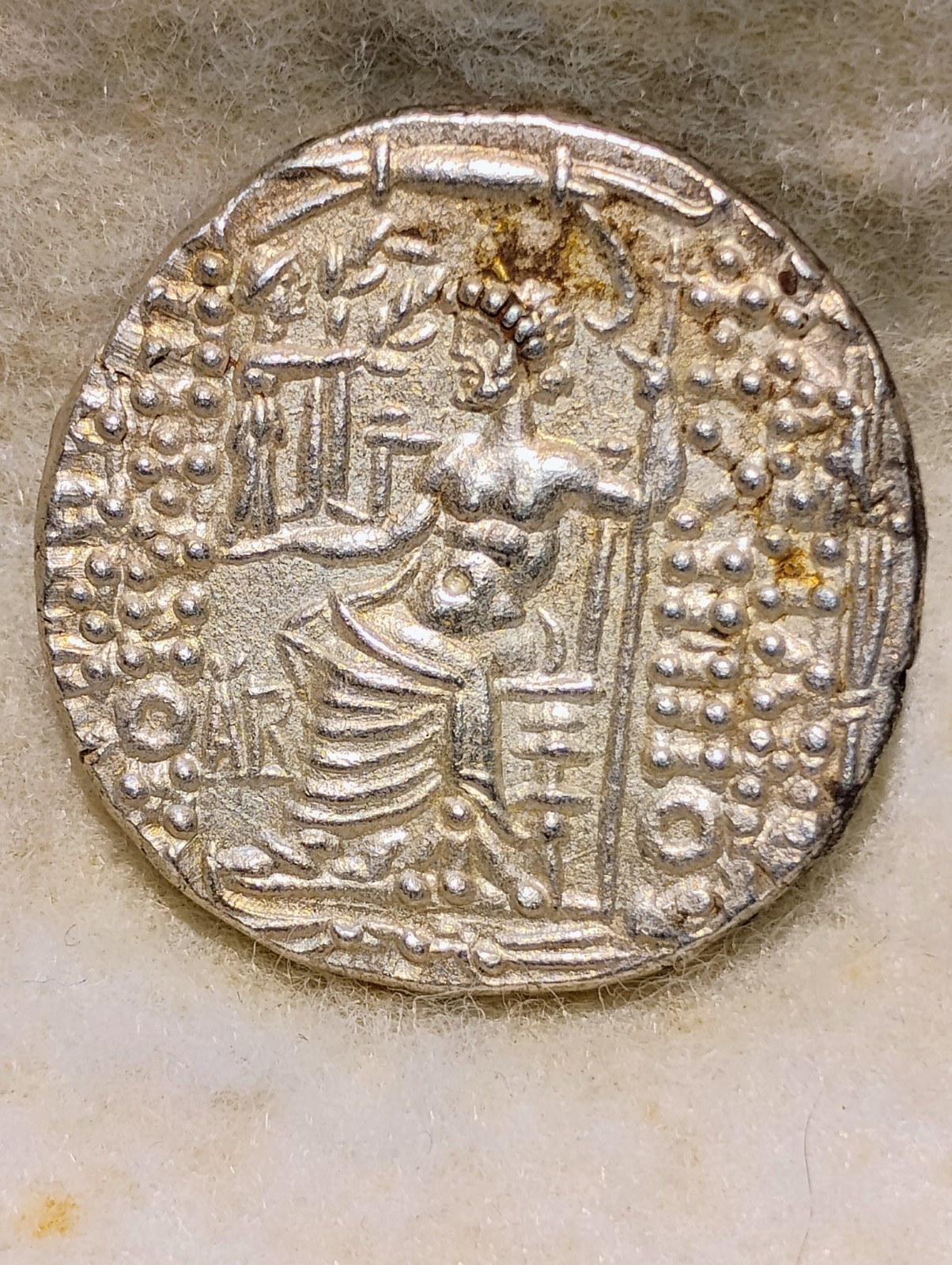
GREECE SYRIA ~ SELEKID ANTIOCHOS VII ~ 138-129 BC ~ TETRADRACHAM ~ CH AU
(61239) 99.50% positive
Learn More Still curious? Click here to see Ancient Greek Silver AR Stater Coins.
Rhegion, Bruttium: Greek Silver AR Tetradrachm with facing lion head and seated figure
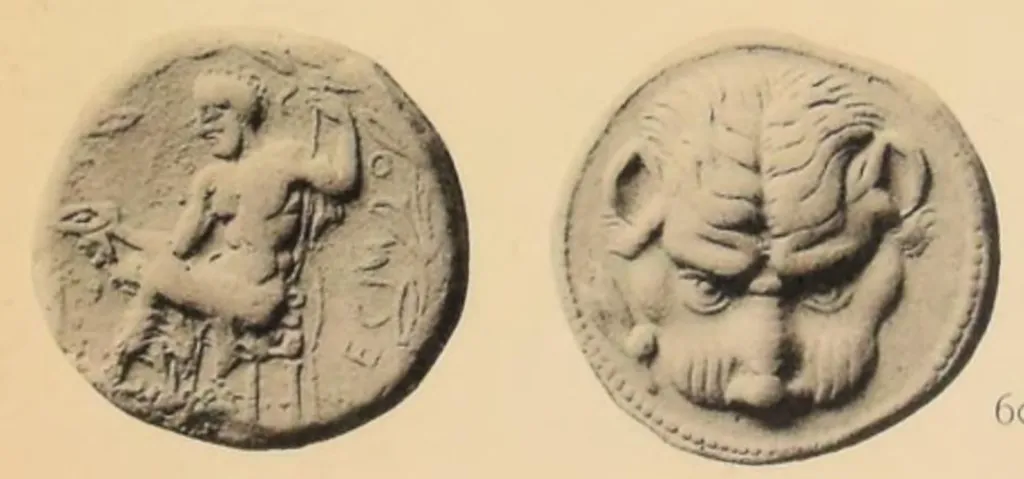
Source: Sotheby, Wilkinson & Hodge, The Charles Butler Collections. Catalogue of the Collection of Coins and Medals Formed by the Late Charles Butler, Esq., London, 3 July 1911. Internet Archive.
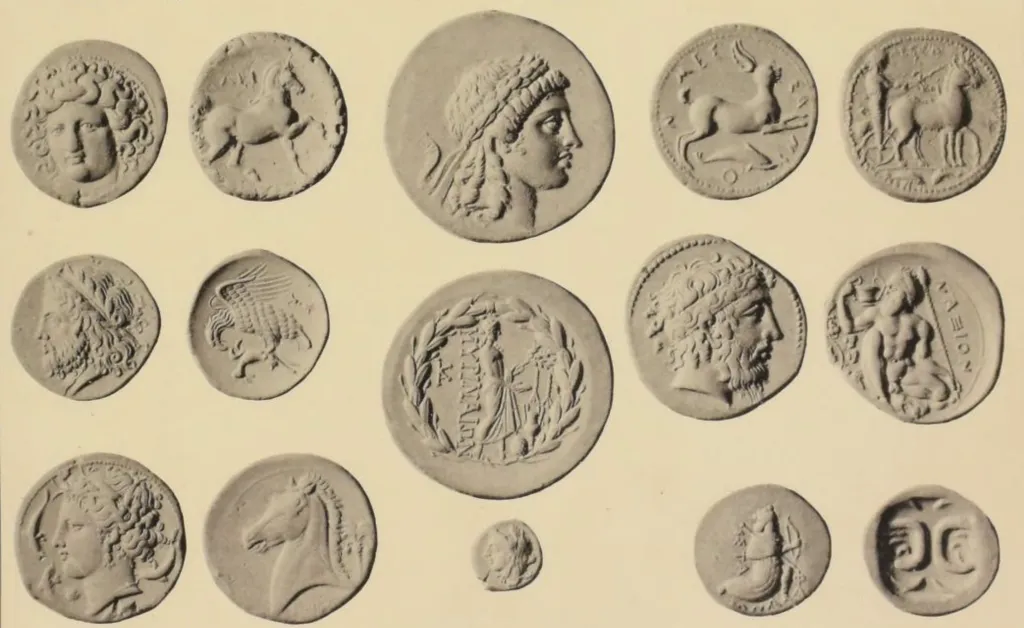
Rhegion, Bruttium — AR tetradrachm. The obverse shows a facing lion’s head, distinguished on this variety by an olive sprig with berry at the left. The reverse carries a seated male figure to left, holding a staff in one hand and a patera in the other, with a bird beneath the seat, all within a laurel wreath. The inscription reads RECINOS in retrograde letters. Older descriptions identify the figure as Demos, while modern scholarship more often connects this seated type with Iokastos or Aristaios. In practical terms, this is a named variety within Rhegion’s lion-head tetradrachm series.
- Year — Minted circa 435–425 BC.
- Diameter — Known examples of this type measure about 27 mm.
- Weight — Standard weight of this type: approx. 17.29 g / 0.61 oz.


435-425 BC Bruttium Rhegion AR Tetradrachm Lion Lokastos Seated 16.44g Ancient
(6872) 99.90% positive
Learn More Still curious? Click here to see Silver AR Didrachm Coins.

Leontinoi, Sicily: Greek Silver AR Tetradrachm with laureate Apollo and lion head
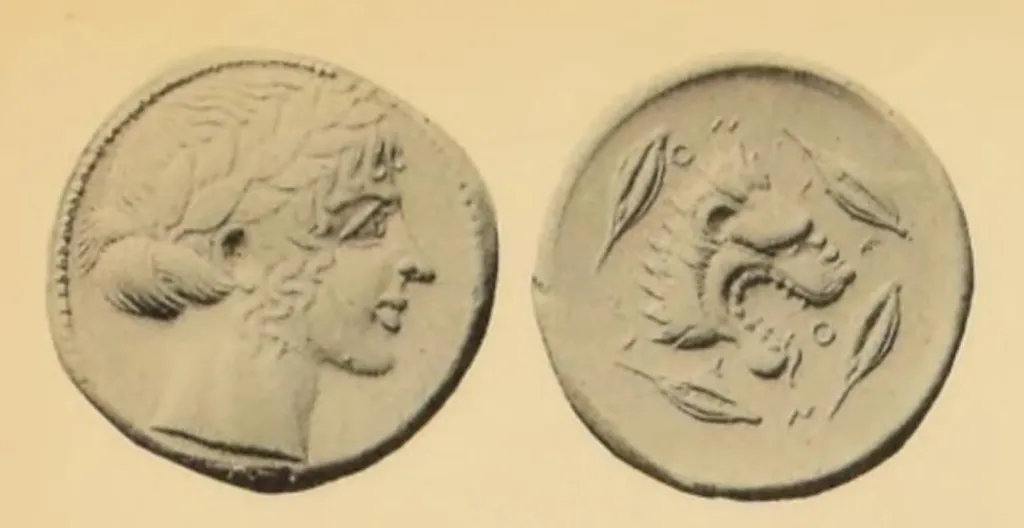
Source: Sotheby, Wilkinson & Hodge, The Charles Butler Collections. Catalogue of the Collection of Coins and Medals Formed by the Late Charles Butler, Esq., London, 3 July 1911. Internet Archive.
Leontinoi, Sicily — AR tetradrachm. The obverse shows a laureate head of Apollo to the right. The reverse carries a lion head to the right. The inscription reads ΛΕΟΝΤΙΝΟΝ. In the field appear four barley grains around the lion’s head. In modern terms, this indicates a civic type that links Apollo with Leontinoi’s city badge and with the agricultural richness of its territory.
- Year — Minted circa 450–440 BC.
- Diameter — Known examples of this type measure about 24.5–27 mm.
- Weight — Standard weight of this type: approx. 17.1–17.4 g / 0.60–0.61 oz.
How much is it worth?
A similar example, in excellent antique condition, sold on eBay (USA) for $4,887.75 in April 2026.


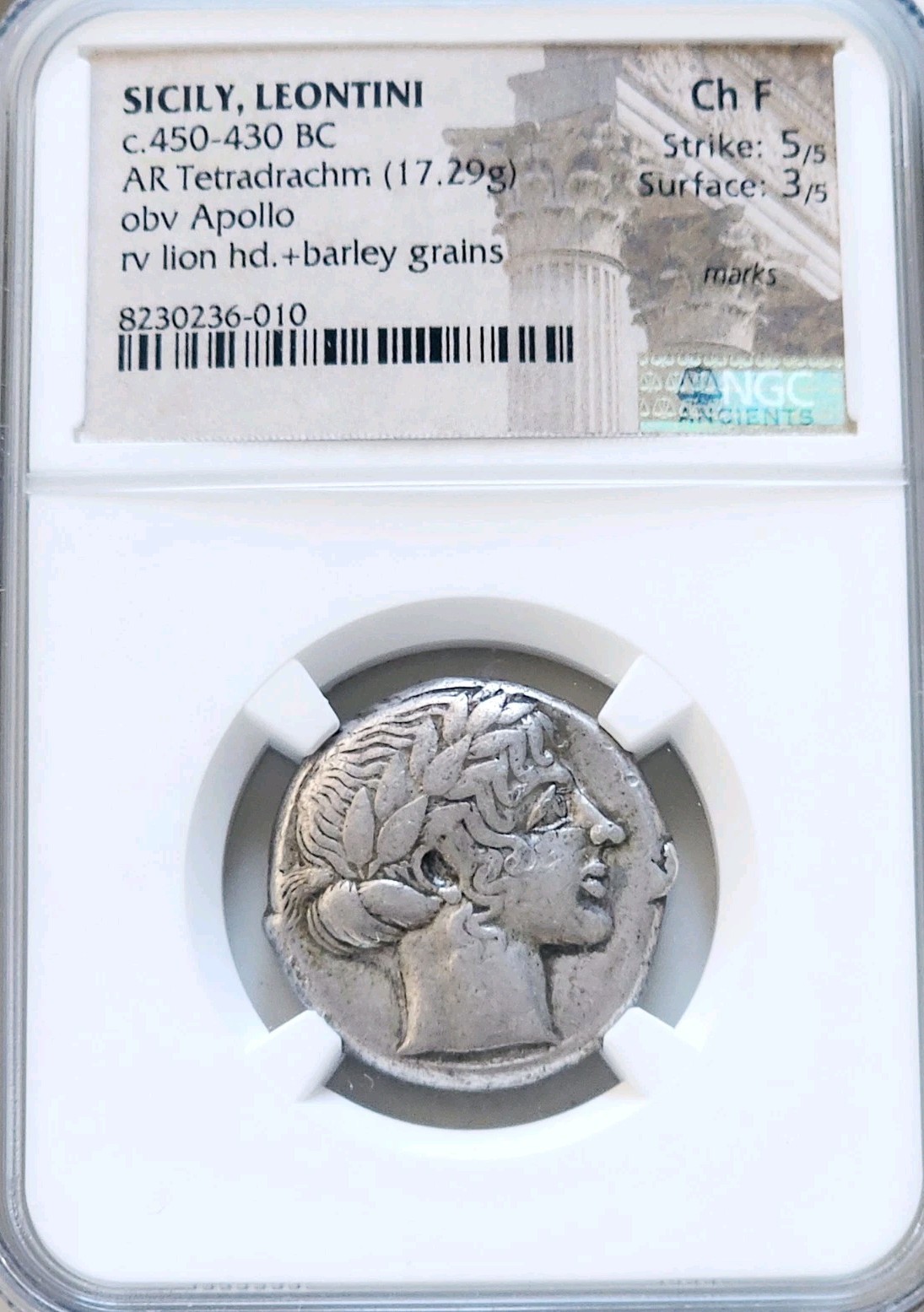
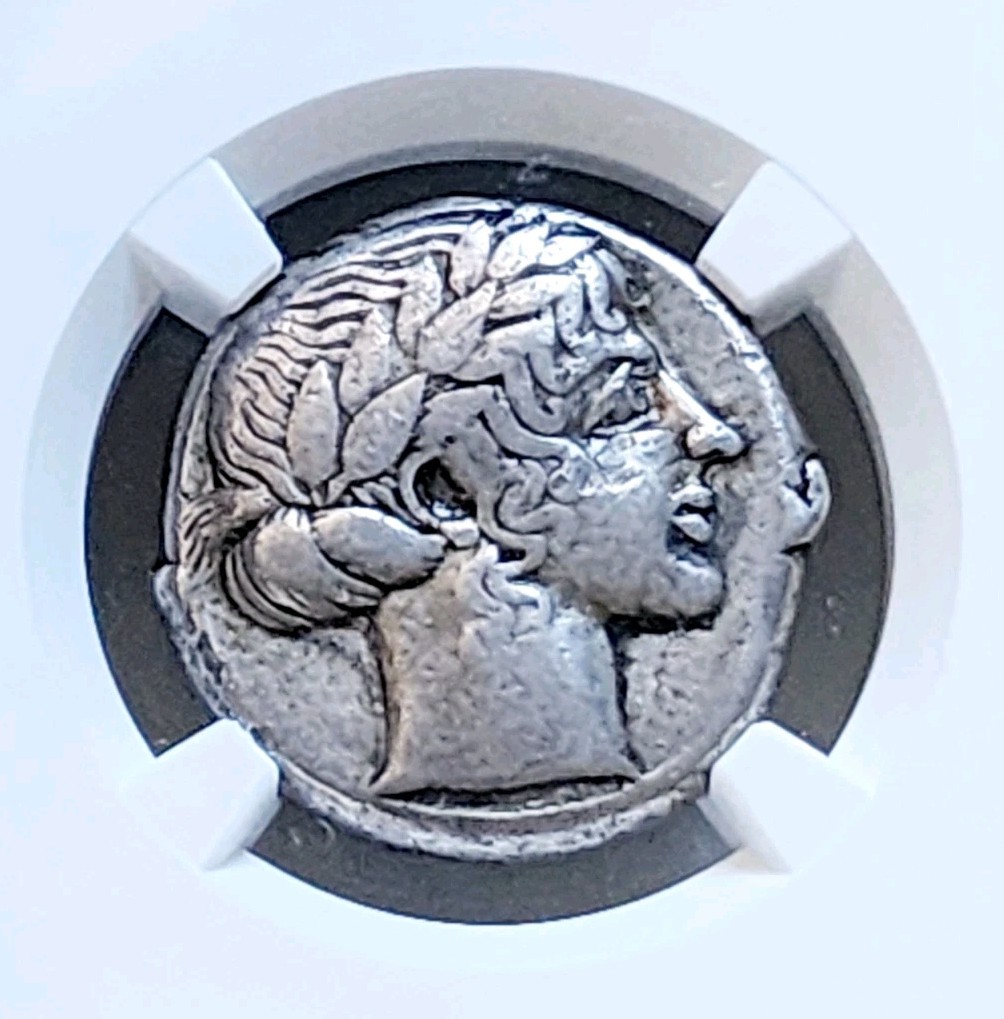
Sicily Leontini Tetradrachm Apollo & Lion NGC CH Fine Ancient Coin
(7061) 100.00% positive

Naxos, Sicily: Greek Silver AR Tetradrachm with bearded Dionysos and seated Silenus
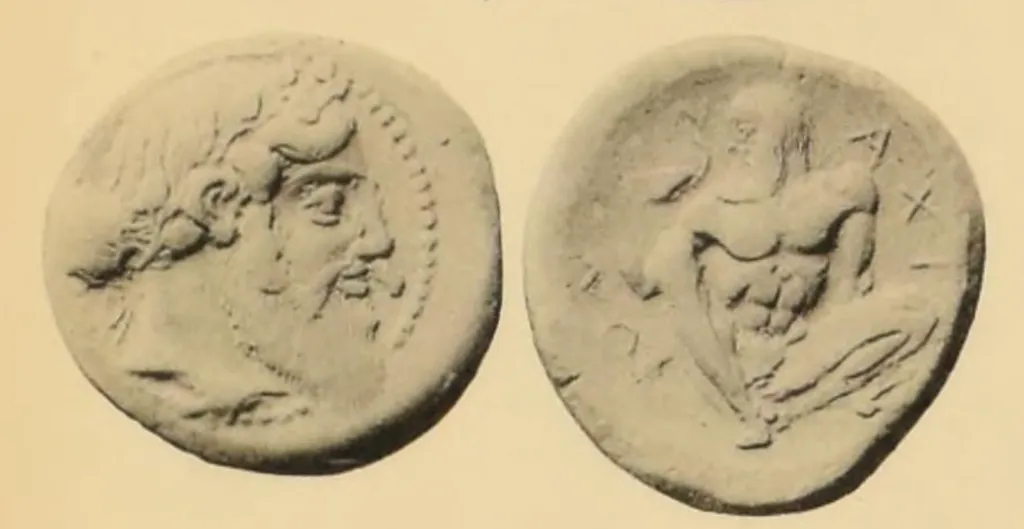
Source: Sotheby, Wilkinson & Hodge, The Charles Butler Collections. Catalogue of the Collection of Coins and Medals Formed by the Late Charles Butler, Esq., London, 3 July 1911. Internet Archive.
Naxos, Sicily — AR tetradrachm. The obverse shows the bearded head of Dionysos to the right, wearing an ivy wreath, with the hair rolled up and knotted at the back of the head. The reverse carries a nude Silenus seated on the ground, holding a kantharos, with his head turned to the left. The inscription reads NAXION. In the field appears no separate symbol or control mark. In modern terms, this indicates one of the best-known civic silver types of Naxos, joining Dionysos and Silenus to the city’s wine identity and to the renewed self-assertion of the Naxians after their return in 461 BC.
- Year — Minted circa 461–430 BC.
- Diameter — Known examples of this type measure about 27–29 mm.
- Weight — Standard weight of this type: approx. 17.1–17.4 g / 0.60–0.61 oz.

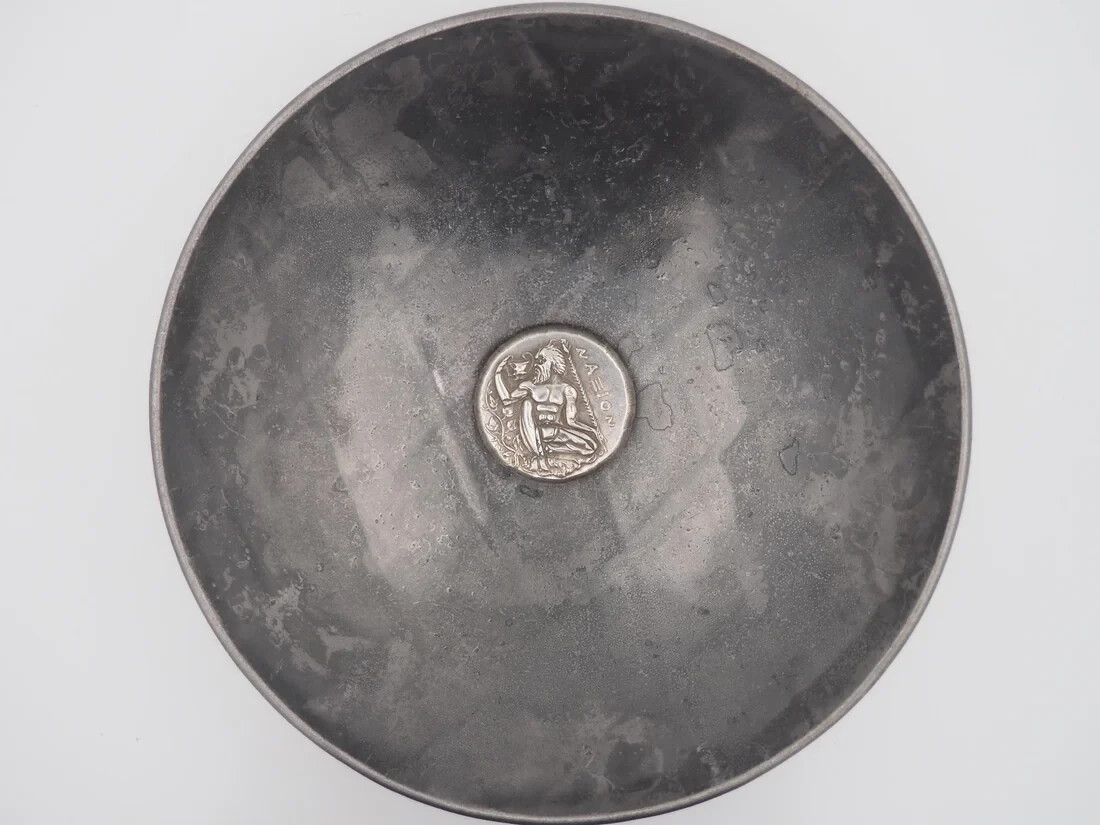

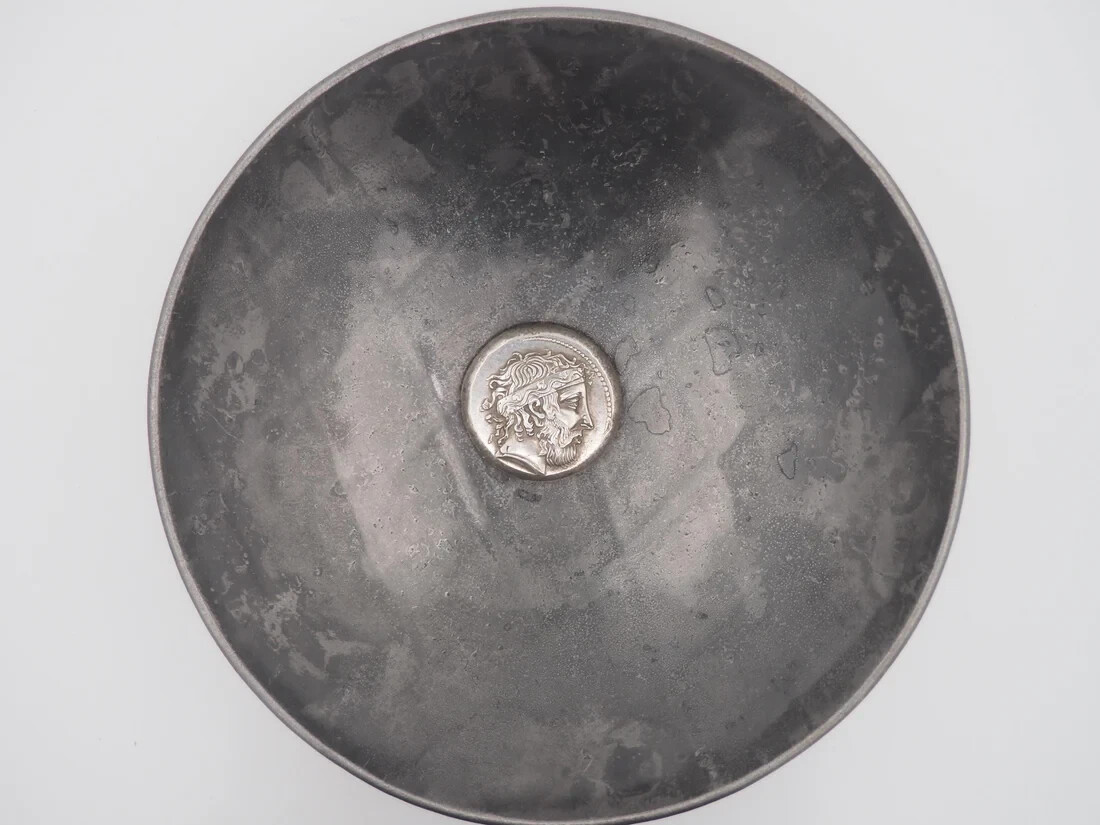
Naxos, Sicily Tetradrachm 430BC-420BC Ancient Greek Token Coin
(original price: 9.73 GBP)
(554) 99.60% positive
Share this article